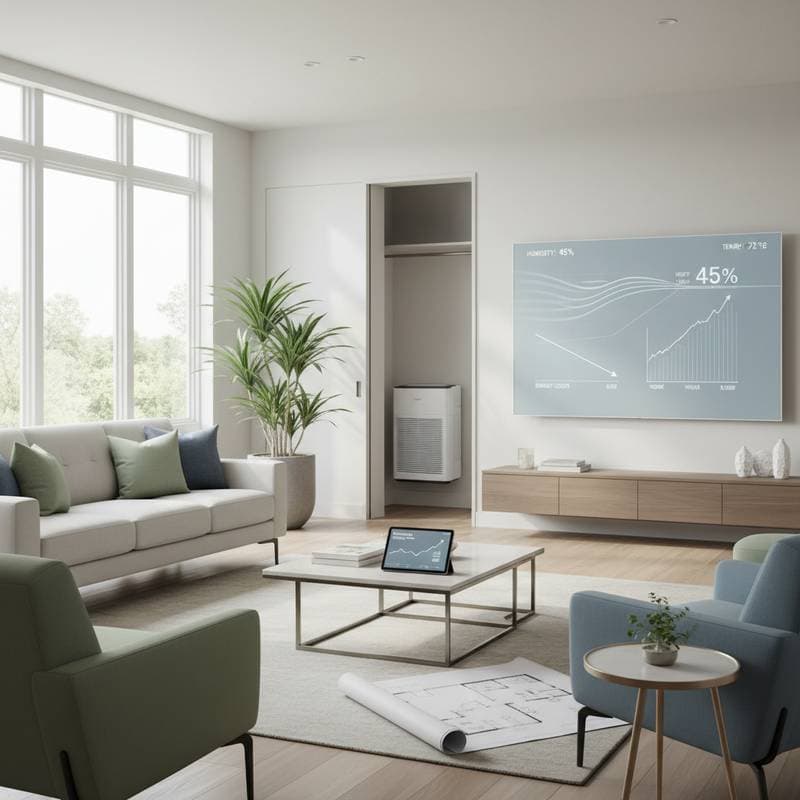
- Integration with Existing Systems: Connecting the dehumidifier to your central HVAC setup increases upfront costs but ensures uniform humidity control throughout the house.
- Energy Efficiency Standards: Models certified by Energy Star consume less electricity, offsetting initial expenses through reduced utility bills over time.
- Installation Challenges: Properties with complex layouts, such as multi-story designs or limited access to ductwork, may incur additional fees for custom modifications.
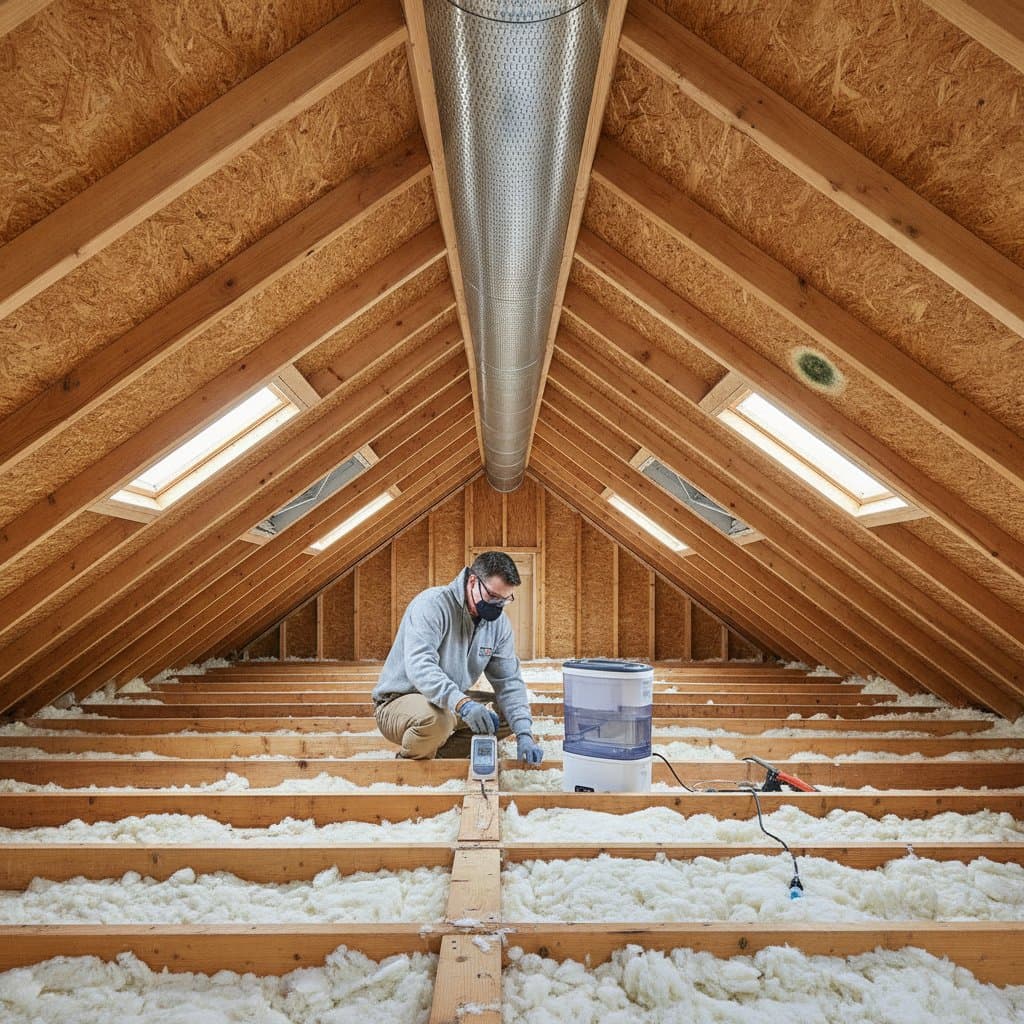
To estimate your specific cost, consult local contractors who can perform a site assessment. This step reveals precise needs and avoids over- or under-sizing the equipment.
Steps to Select an Appropriate Dehumidifier System
Choosing the correct dehumidifier begins with a thorough evaluation of your living space and current setup. Begin by measuring the total square footage and average ceiling heights to calculate the necessary capacity, typically aiming for 30 to 50 pints of moisture removal per day for standard homes.
Follow these structured steps:
- Assess Your Environment: Use a hygrometer to monitor current humidity levels; ideal ranges fall between 30 and 50 percent relative humidity.
- Evaluate HVAC Compatibility: Ensure the system aligns with your furnace or air handler ducts for seamless operation and maximum efficiency.
- Examine Efficiency Metrics: Prioritize units with high energy factor ratings, which indicate pints of water removed per kilowatt-hour of energy used.
- Account for Maintenance Features: Select models with washable filters and self-draining pumps to simplify ongoing care.
- Engage a Specialist: Invite a certified technician to conduct air quality tests and provide tailored recommendations on sizing and placement.
For targeted applications, a compact unit in the basement addresses localized dampness effectively. However, a centralized whole home solution delivers consistent results, preventing uneven moisture pockets that could lead to hidden damage.
Additional Expenses and Long-Term Considerations
Beyond the initial purchase and setup, budget for recurring costs to sustain performance. Replace air filters every three to six months, depending on usage, at a cost of $20 to $50 each. Annual professional inspections of coils and drainage lines prevent inefficiencies that could arise from buildup.
Ductwork alterations, if needed, might add $300 to $800 to the total. Optional upgrades, such as Wi-Fi-enabled sensors, allow remote monitoring via smartphone applications, enabling proactive adjustments to humidity settings.
Neglecting routine maintenance leads to diminished efficiency and premature failures. For instance, a neglected filter restricts airflow, forcing the unit to work harder and increasing energy consumption by up to 25 percent.
Savings Potential: Reducing Cooling Costs by 15 to 20 Percent
Whole home dehumidifiers contribute to lower cooling expenses by allowing air conditioners to operate more efficiently. High humidity makes air feel warmer, prompting thermostats to lower temperatures further and extending runtime. By stabilizing humidity, these systems enable settings one to two degrees higher without discomfort, yielding savings of 15 to 20 percent on monthly bills during peak summer months.
Consider a typical household with $200 monthly cooling costs: a 15 percent reduction translates to $30 saved per month, or $360 annually. Over five years, this accumulates to $1,800, often recouping the installation investment. Professionals note that in humid climates, such as the southeastern United States, these savings materialize even faster due to prolonged demand on cooling systems.
Insights from Professionals and Homeowners
Experienced HVAC technicians emphasize that proper humidity control extends the lifespan of cooling equipment by reducing strain on compressors. One expert states, "Balanced air quality not only cuts energy use but also minimizes allergens and irritants that affect respiratory health."
Homeowners on improvement communities echo this, sharing experiences of eliminated musty odors and reduced window condensation shortly after installation. Many express regret over delaying the upgrade, citing improved sleep quality and fewer allergy episodes as unexpected benefits.
Planning and Executing Your Installation
To proceed confidently, obtain quotes from at least three licensed contractors. Compare details such as warranty durations, typically one to five years, and available service agreements for priority repairs.
Review independent assessments of the models under consideration, focusing on durability and noise levels. Request installer references from recent projects in your area to verify reliability.
Realizing Benefits Through Strategic Humidity Management
Investing in a whole home dehumidifier secures energy efficiencies, preserves property value, and fosters a healthier living environment. Consistent moisture control deters wood rot, pest infestations, and costly repairs, potentially increasing resale appeal by thousands of dollars. Homeowners who implement these systems report sustained comfort year-round, with tangible returns that extend well beyond financial metrics.