Essential 2025 Costs for Replacing Your Septic Tank
Replacing a septic tank ranks among the larger home maintenance investments for property owners. The process extends beyond installing a new unit; it demands attention to the full system's safety and efficiency. Homeowners preparing for replacement must grasp the factors influencing costs in 2025, develop a solid budget plan, and evaluate options for repair, full replacement, or upgrades.
Understanding the True Scope of Septic Tank Replacement
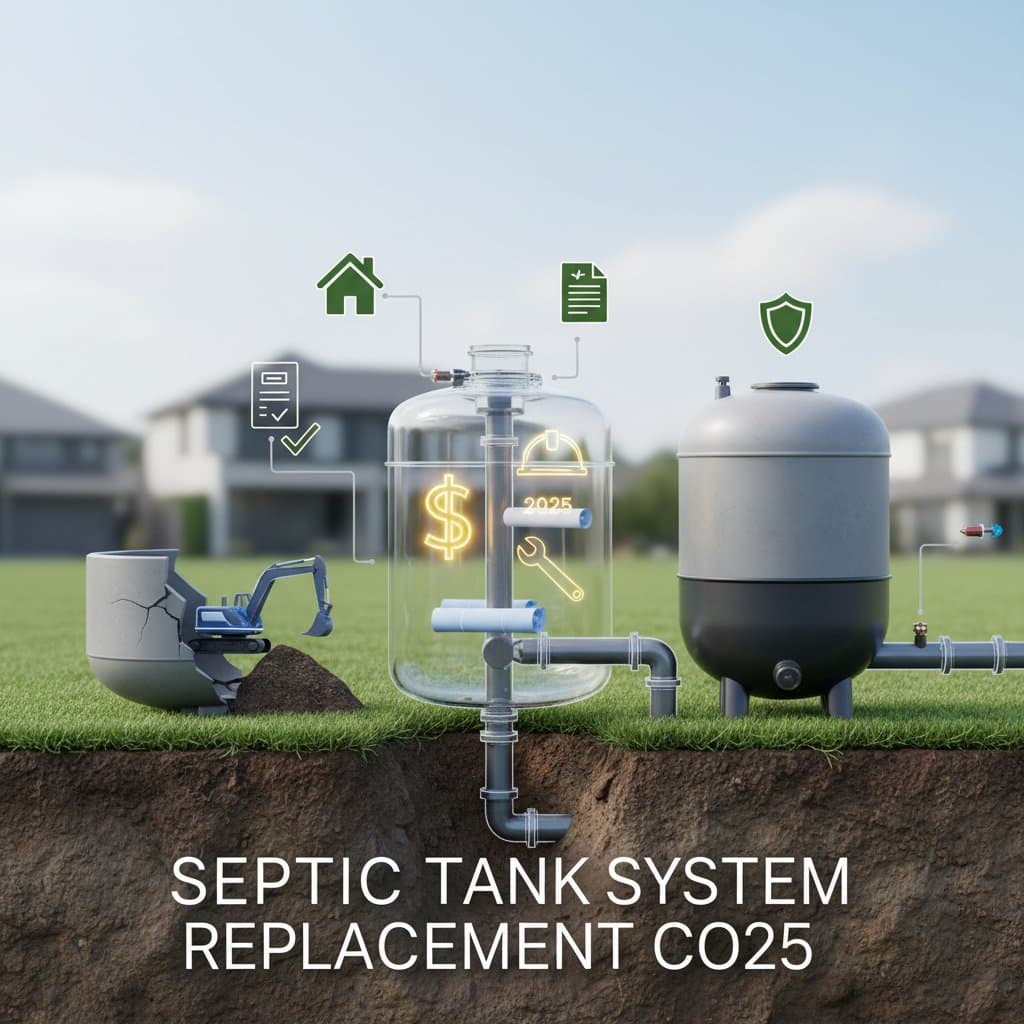
A septic system comprises the tank, drain field, soil absorption area, and connecting pipes. Structural failure or the end of the tank's lifespan often necessitates complete replacement. Expenses differ based on material type, tank capacity, local soil characteristics, and the condition of the drain field.
Many homeowners discover the project's breadth only after obtaining quotes from contractors. Replacement might involve a simple tank swap or a comprehensive redesign to satisfy current environmental regulations. Professionals assess the entire setup to determine the necessary scope.
Average Septic Tank Replacement Prices
Costs vary by geographic location, yet most projects range from $3,000 to $15,000 for a full replacement. Key elements include excavation, materials, system configuration, and skilled labor. Premium installations with advanced features can exceed $20,000 in challenging sites.
Cost breakdown by component:
- Septic tank unit: This forms the primary expense, typically $1,000 to $4,000. Compact tanks suit smaller households, while larger ones for multiple bathrooms increase the price.
- Excavation and labor: Removing the old tank, site preparation, and backfilling contribute $2,000 to $5,000. Rocky or clay-heavy soil raises these figures due to added equipment needs.
- Permits and inspections: Health department approvals cost $200 to $500. These steps ensure regulatory compliance and system functionality.
- Drain field or leach field: Replacement adds $5,000 to $10,000 if the absorption area fails. Larger fields or poor soil percolation drive up expenses.
Material Choices and Their Price Impact
Septic tank materials influence upfront costs, durability, and installation demands. Each option presents distinct advantages in strength, weight, and resistance to environmental factors.
- Concrete: Preferred for its robustness and 40- to 50-year lifespan, concrete tanks cost $1,200 to $3,000. Their weight requires heavy machinery, elevating labor charges.
- Fiberglass: These corrosion-resistant units, priced at $1,500 to $3,500, install more easily due to lighter weight. They suit areas with acidic soil.
- Polyethylene (plastic): The budget choice at $800 to $2,500, plastic tanks flex in shifting ground but demand stable installation sites.
- Steel: Largely phased out for rust vulnerability, steel options rarely exceed $1,000 and prompt full system overhauls.
Contractors advise balancing initial outlay with longevity; concrete often proves more economical over decades despite higher setup costs.
When a Repair Becomes a Replacement
Clogged pipes or minor leaks permit targeted fixes without tank removal. Structural cracks, contamination risks, or drain field saturation, however, mandate replacement for safety. Indicators include pooled water on the property, persistent sewage smells, or sluggish household drains.
Engage a certified inspector early to pinpoint the failure source. Dye tests reveal leaks, while camera scopes examine pipes and the distribution box. Accurate diagnosis prevents unnecessary full-system work.
Comparing DIY and Professional Installation
Homeowners occasionally handle preliminary tasks, but complete DIY replacements pose risks and violate regulations. Local authorities mandate licensed oversight to avert fines, pollution, or health hazards. Certified experts manage the core process and maintain official records.
DIY-friendly tasks:
- Remove minor vegetation or obstacles from the site.
- Arrange equipment access paths.
- Restore basic landscaping post-installation.
Professional installation covers:
- Securing permits and handling compliance.
- Executing excavation, precise tank placement, and pipe connections.
- Conducting final inspections for approval.
Hiring professionals guarantees adherence to codes, preserves home value, and minimizes future liabilities.
Reducing Costs Without Cutting Corners
Strategic planning trims expenses while upholding quality. Solicit bids from at least three licensed contractors, select materials aligned with site needs, and schedule during off-peak months for potential discounts. Evaluate reusing viable elements like the existing drain field to limit scope.
Other cost-saving strategies:
- Prepare the site in advance by clearing debris.
- Choose gravity systems over pumped designs if soil permits, saving $1,000 to $3,000.
- Implement routine maintenance to prolong the system's life and defer major repairs.
Long-term Benefits of Professional Replacement
A well-executed septic system safeguards groundwater, promotes soil health, and averts environmental penalties. Contemporary designs incorporate superior filtration and materials for extended service, often 30 to 50 years. Features like accessible risers simplify future upkeep without excavation.
Investing in quality yields lower ongoing expenses and enhanced property resilience. Advanced systems reduce failure risks, supporting sustainable home operations.
Maintaining Your Investment
Routine care sustains the system's performance for generations. Arrange pumping every three to five years, scaled to household occupancy and water use. Avoid introducing grease, harsh chemicals, or plastics into drains to prevent blockages.
Adopt practices such as staggering laundry cycles, fixing leaks promptly, and limiting plant roots near the tank. Document all service dates, inspection results, and site diagrams. This record aids property transfers and facilitates ongoing management.
Steps to Plan Your Septic Replacement
Initiate the process with consultations from qualified inspectors and contractors. Review material suitability against your property's demands and verify all permitting requirements. Informed decisions now secure a reliable, cost-effective system for years ahead.