Essential AC Preparation to Sidestep Summer Breakdowns
Summer heat arrives swiftly, and a failing air conditioner turns discomfort into crisis. Homeowners often discover their systems unprepared only when demand peaks, leading to urgent and expensive fixes. Proactive spring maintenance addresses vulnerabilities early, enhances operational efficiency, and safeguards against premature wear. These targeted actions maintain consistent cooling while controlling energy expenses throughout the season.
The Importance of Pre-Season AC Maintenance
AC failures rarely emerge suddenly; they stem from accumulated neglect like dust accumulation, restricted filters, and unchecked parts. These minor oversights escalate during prolonged operation, potentially damaging critical elements such as compressors. Industry experts note that routine spring checks avert more than half of peak-season service calls, transforming potential disasters into minor adjustments.
Well-maintained systems operate with greater precision, distributing cool air uniformly and consuming less electricity. Research indicates that optimized units lower cooling expenses by as much as 15 percent, while minimizing strain on components. This approach not only preserves budgets but also promotes longevity for units that might otherwise require replacement sooner.
Assessing Costs and Time Commitment
Professional tune-ups range from $80 to $200, varying by region and unit capacity. Such services encompass comprehensive evaluations, thorough cleanings, and operational assessments, completed in under two hours. For budget-conscious individuals, self-performed tasks like filter swaps or coil rinsing demand minimal outlay beyond time and household items, totaling around 90 minutes biannually.
Simpler procedures, including debris removal, suit beginners, whereas refrigerant verification or circuit inspections necessitate expert intervention. Systems over a decade old or with repair histories benefit most from professional oversight to mitigate risks.
Comprehensive AC Maintenance Checklist
Effective preparation integrates cleaning, examination, and verification to ready the system for intense summer duty. Proceed methodically through these steps for thorough coverage.
-
Disconnect Power Supply
Locate the circuit breaker and switch off electricity to the unit. This essential precaution eliminates shock hazards during handling of internal elements. -
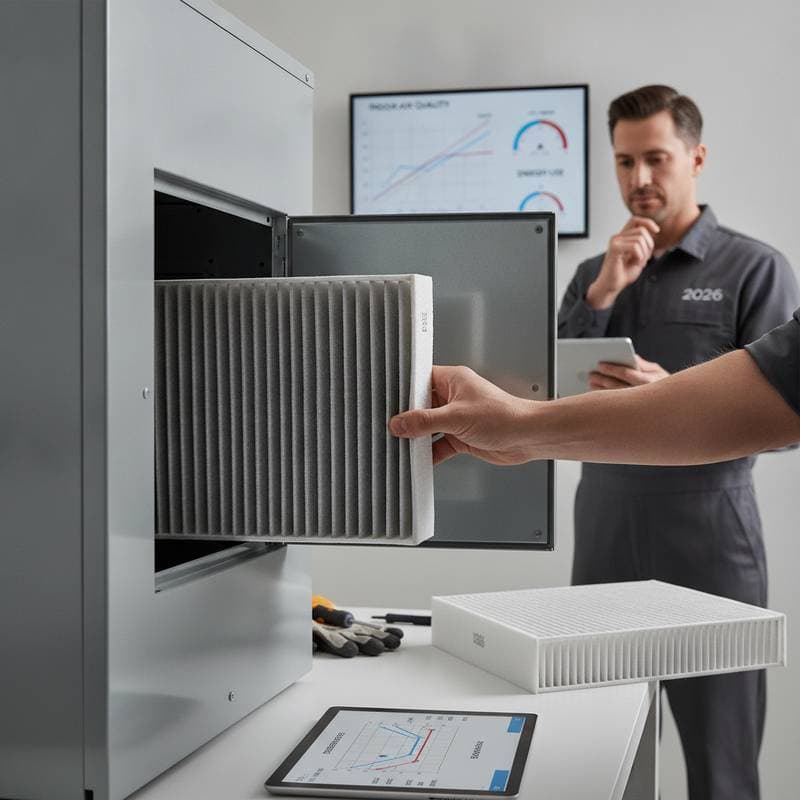
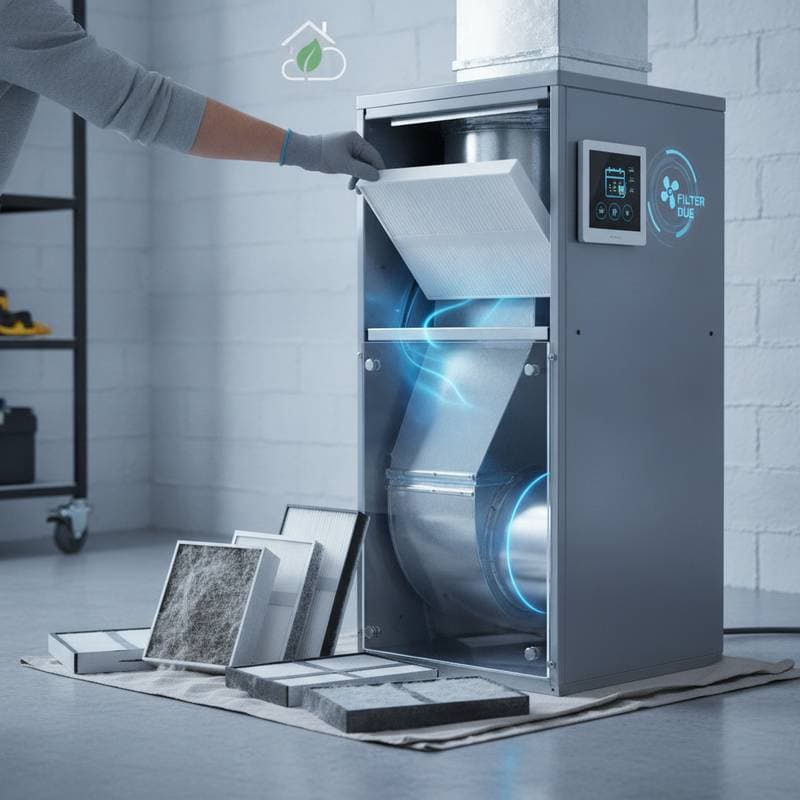
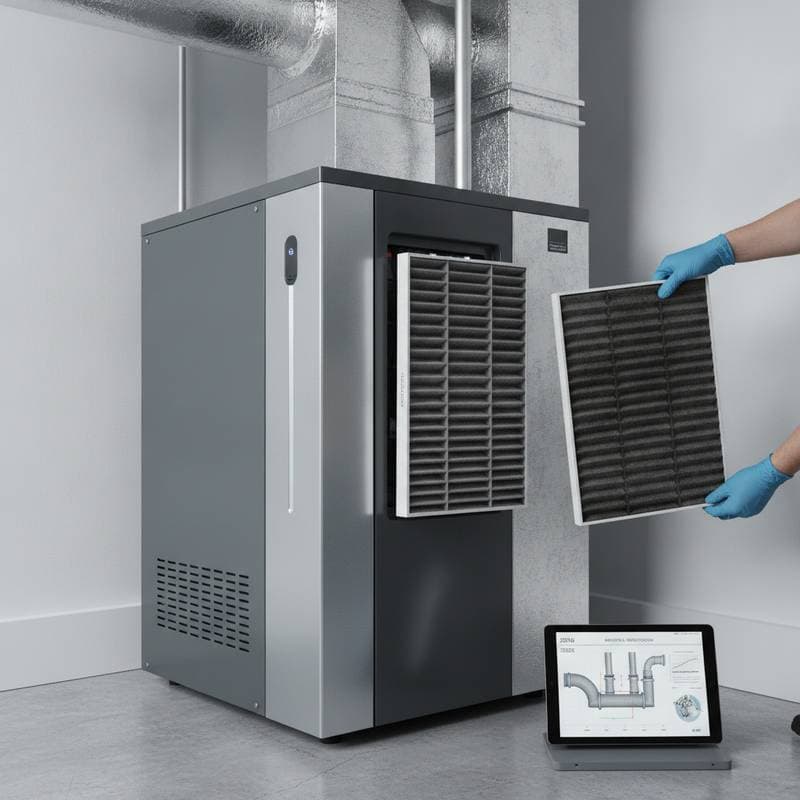
Service Air Filters
Clogged filters impede circulation, overworking the blower and coils. Install new disposable filters or rinse reusables monthly during high-use periods; select MERV 8-11 ratings to optimize filtration without excessive resistance. -
Maintain Outdoor Condenser
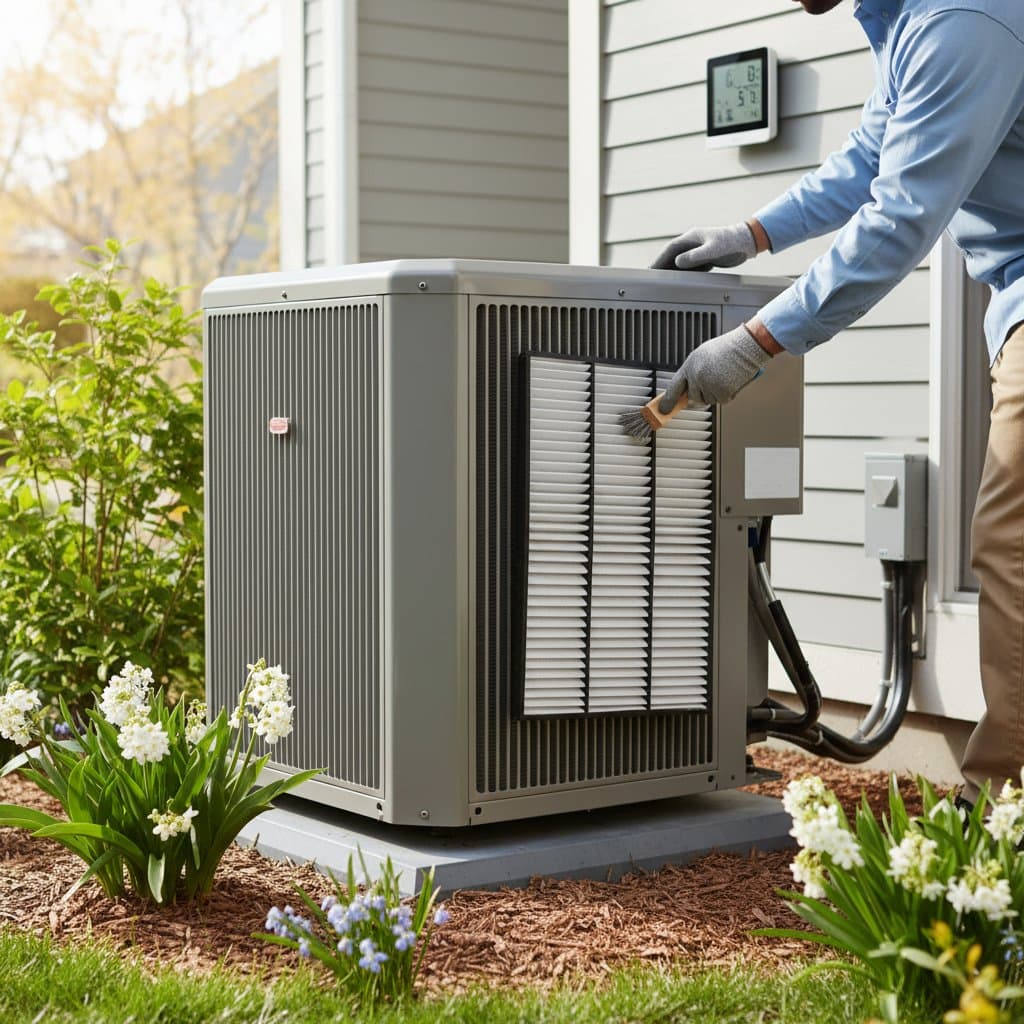
Remove surrounding vegetation, debris, and soil from the base. Employ a soft-bristle brush or hose attachment to dislodge fin contaminants, directing water flow inward to outward. Ensure a minimum two-foot clearance to facilitate unrestricted airflow. -
Clear Condensate Drain
Blockages foster indoor flooding from overflow. Irrigate the line using a vinegar-water solution to dissolve organic deposits, confirming unobstructed discharge outdoors. -
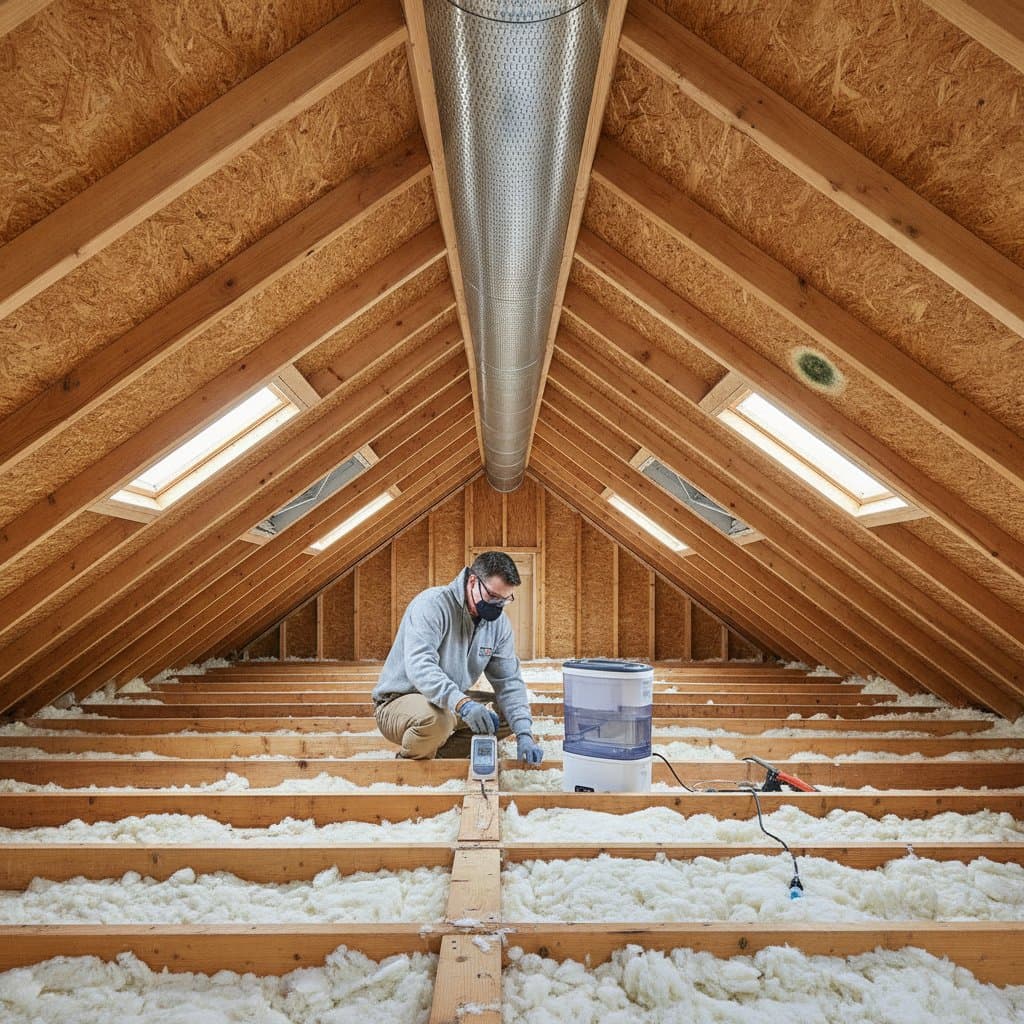
Examine Ducts and Registers
Identify separations, fractures, or accumulations within accessible duct sections. Apply foil-backed tape to secure seams and suction dust from outlets. Addressing leaks recovers up to 30 percent of lost conditioned air, amplifying overall effectiveness. -
Verify Thermostat Functionality
Adjust settings downward and observe activation response. Replace batteries or inspect wiring if delays occur. Programmable models enable precise scheduling and anomaly alerts for proactive management. -
Apply Lubrication to Components
For units with accessible motors, introduce specified oil to ports, easing mechanical resistance and curtailing deterioration. -
Evaluate Refrigerant Line Insulation
Replace degraded or absent coverings with fresh tubular foam. Intact barriers regulate thermal transfer, bolstering cooling capacity and preventing energy loss.
Identifying Potential Problems Early
Maintenance routines often reveal underlying concerns warranting prompt action. Remain vigilant for these indicators:
- Reduced Airflow: Typically results from obstructed passages or deteriorating fans.
- Inadequate Cooling: Signals insufficient refrigerant or soiled evaporators.
- Abnormal Sounds: Vibrations or squeals point to unsecured elements or bearing fatigue.
- Moisture Accumulation: Suggests drainage failures or icing on coils.
Addressing these promptly averts escalation. Schedule expert evaluation if symptoms persist, especially prior to sustained operation.
Indicators for Professional Assistance
While basic upkeep falls within homeowner capabilities, specialized diagnostics demand certified skills. Technicians employ precision tools to assess refrigerant charge, validate circuitry integrity, and fine-tune controls. Persistent short-cycling, icing, or electrical faults necessitate immediate professional response.
Select providers who furnish detailed reports, including pressure readings, component inspections, and airflow metrics. Retain these documents for historical reference and warranty validation. Annual expert servicing can prolong unit lifespan by a decade, according to field professionals.
Realizing Energy Savings and Enhanced Comfort
Prepared systems regulate humidity effectively, curbing fluctuations that breed discomfort. Pristine coils expedite heat exchange, accelerating cooldown cycles with reduced power draw. Adherents to seasonal protocols experience diminished intervention needs and extended intervals between overhauls, justifying initial investments.
Complement mechanical care with behavioral tweaks: deploy fans to circulate air, fortify window seals, and draw shades against midday sun. Limit oven and dryer use during peak hours to lessen thermal loads, fostering sustained efficiency and livability.
Sustaining Long-Term AC Reliability
Consistent spring rituals yield tangible returns through reduced downtime, moderated utilities, and amplified home enjoyment. Investing effort upfront circumvents the aggravations of seasonal disruptions. Opt for professional aid or personal diligence as suits your setup, securing unwavering performance precisely when temperatures soar.