The Essential AC Tune-Up to Prevent Summer Breakdowns
Summer temperatures can transform a comfortable home into an unbearable space without a functioning air conditioner. Many homeowners encounter unexpected failures when the heat arrives, leading to discomfort and expensive repairs. A straightforward tune-up performed before the season intensifies can maintain reliability, reduce energy consumption, and prolong the unit's lifespan. This guide outlines practical steps that require minimal tools and approximately one hour of effort.
Understanding the Importance of Regular AC Maintenance
Air conditioners operate under significant strain during hot weather, and neglect accelerates wear. Dust accumulation, restricted airflow from dirty components, and degraded parts force the system to consume more power while delivering diminished cooling. The U.S. Department of Energy reports that consistent maintenance enhances efficiency by as much as 15 percent, resulting in noticeable savings on utility bills and fewer disruptions during peak demand periods.
Beyond cost savings, routine care extends the operational life of the equipment. A central air conditioning system typically lasts 10 to 15 years with proper upkeep, but premature failure often stems from overlooked maintenance. The expense of a full replacement ranges from three thousand to seven thousand dollars, influenced by home size, system capacity, and manufacturer quality. Investing time in preventive measures now avoids such substantial outlays later.
Essential Steps for a Homeowner-Led AC Tune-Up
Follow this detailed checklist to perform an effective tune-up. Each step focuses on common issues that lead to breakdowns, ensuring the system runs efficiently.
-
Disconnect Power to the Unit
Safety remains paramount when working on electrical systems. Locate the breaker box or dedicated disconnect switch near the outdoor unit and turn off the power supply. Verify the system is de-energized by attempting to activate it before proceeding. -
Examine and Service the Air Filter
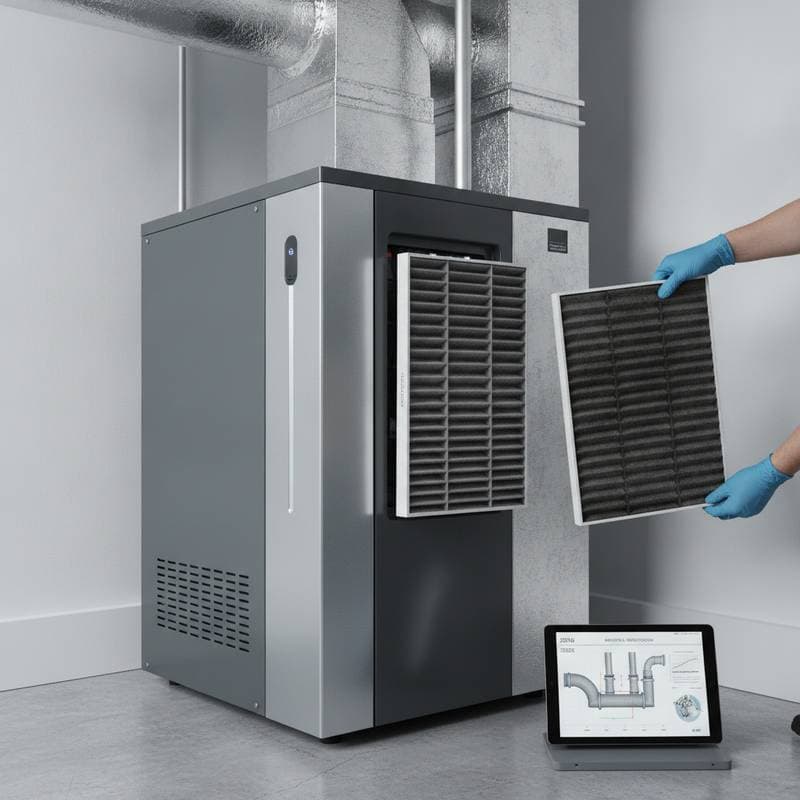
The air filter serves as the first line of defense against contaminants, but a clogged one hampers airflow and strains the blower motor. Inspect the filter for dirt buildup; replace disposable types every one to three months based on household activity levels, or wash reusable mesh filters with warm soapy water and allow them to dry completely. This action not only restores efficiency but also enhances indoor air quality by reducing allergens and particulates. -
Clear and Maintain the Outdoor Condenser
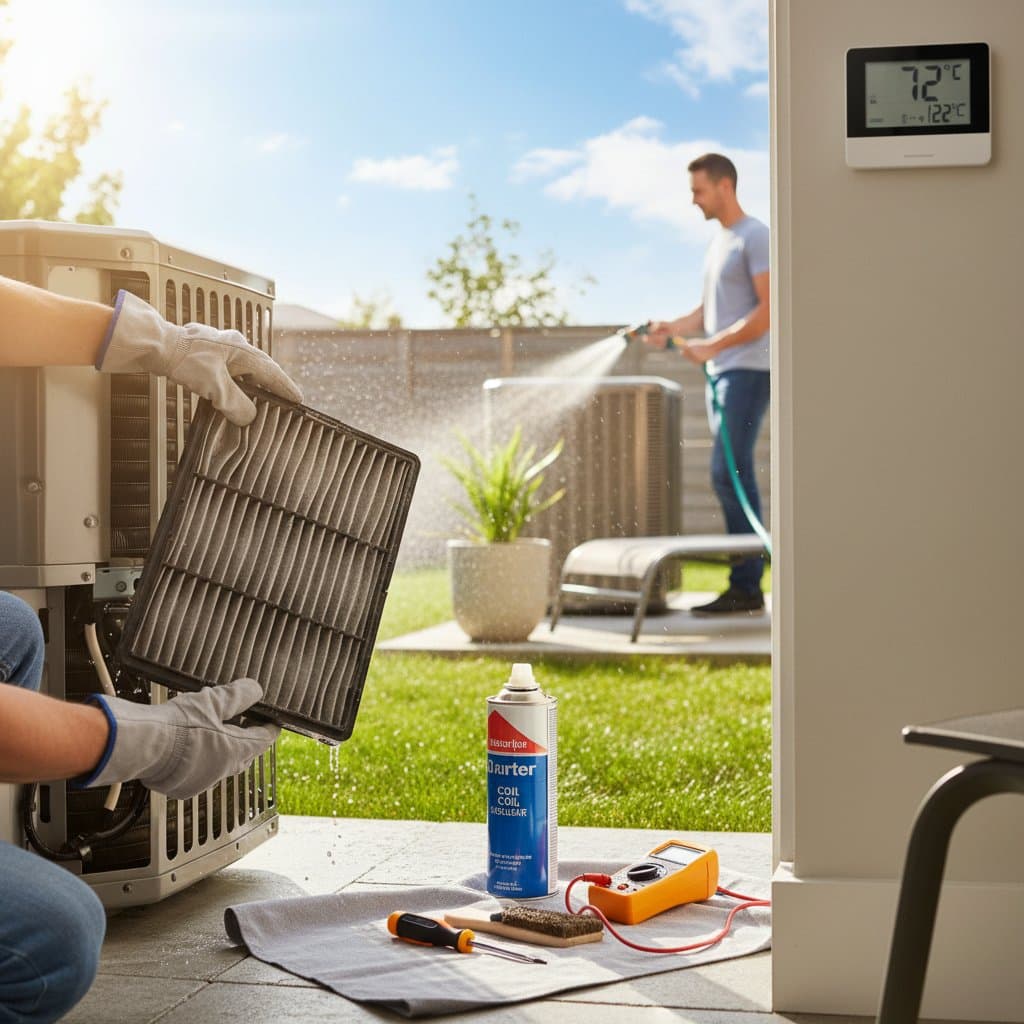
The condenser unit expels heat absorbed from indoors, so obstructions reduce its performance. Clear a two-foot radius around the unit of leaves, grass clippings, and other debris to promote unrestricted airflow. Employ a vacuum with a soft brush attachment to remove dust from the coil fins, and use a fin comb to gently realign any bent sections, which can impede heat dissipation and cause overheating. -
Assess Refrigerant Lines for Damage
These insulated copper lines transport refrigerant between the indoor evaporator and outdoor condenser. Inspect for dents, corrosion, or deteriorated insulation that could lead to energy loss or refrigerant leaks. Apply self-sealing foam insulation sleeves over exposed areas, securing them with tape to preserve temperature control and prevent moisture condensation. -
Service the Indoor Evaporator Coil and Drain
Positioned within the air handler, the evaporator coil absorbs heat and humidity from indoor air. Accumulated grime can cause it to ice over, blocking airflow and triggering shutdowns. Apply a commercial coil cleaner spray, allowing it to foam and dissolve residue before rinsing with a garden hose; follow by pouring a solution of one part white vinegar to ten parts water down the condensate drain to dissolve mineral deposits and avert backups that foster mold growth. -
Evaluate Thermostat Functionality
An inaccurate thermostat disrupts temperature regulation and increases energy use. Ensure the device mounts level on the wall and wipe away dust from contacts with a soft cloth. Consider replacing older manual models with programmable versions that adjust settings automatically, or smart thermostats that learn usage patterns for optimized operation and remote control via mobile apps. -
Conduct a Performance Test
Reconnect power and activate the system, allowing it to operate for 10 to 15 minutes. Observe for even airflow from vents, measure the temperature differential between incoming and outgoing air (aim for 15 to 20 degrees Fahrenheit), and listen for irregular noises like rattling or hissing that indicate loose components or refrigerant issues. Confirm the outdoor fan rotates freely without vibration.
Evaluating Costs and Effort Involved
Performing this tune-up independently incurs minimal expense, typically 10 to 30 dollars for filters, cleaners, and basic tools like a screwdriver or fin comb. The process demands no advanced skills, though familiarity with basic household repairs proves helpful. In contrast, hiring an HVAC professional for a full inspection costs 100 to 200 dollars, encompassing advanced diagnostics such as refrigerant level checks and electrical integrity tests that exceed DIY capabilities.
Indicators for Professional Intervention
While many maintenance tasks suit homeowners, certain symptoms signal deeper problems requiring expert diagnosis. Frequent short cycling, where the unit turns on and off rapidly, suggests issues like low refrigerant or faulty sensors. Warm air output or persistent grinding sounds may point to compressor failure or electrical faults. Professionals utilize specialized tools to detect hidden leaks, balance refrigerant charges, and ensure compliance with safety codes, preventing further damage and potential hazards.
Strategies to Avoid Recurring Problems
Establish a consistent schedule to sustain peak performance year-round. Mark your calendar for filter replacements every quarter and condenser clearing biweekly during growing seasons. Arrange biennial professional tune-ups to monitor refrigerant integrity and component wear, especially in regions with high humidity or pollution. These habits minimize surprise failures and maintain warranty validity, as many manufacturers require proof of maintenance.
Advanced Techniques for Optimal Results
Document all maintenance activities in a logbook, noting dates, observations, and part replacements to track patterns and inform future services. Maintain clearance around the outdoor unit by pruning shrubs and avoiding placement of items like mulch or furniture nearby. For precise evaluation, employ a digital thermometer at supply vents to confirm cooling efficacy; deviations from the ideal temperature drop warrant adjustments. During vacations, raise the thermostat setting by four to five degrees to lessen runtime and wear without sacrificing security.
Investing effort in this tune-up equips your air conditioner to handle summer demands effectively. Reliable cooling preserves comfort, supports health in extreme heat, and safeguards against inflated repair costs. Implement these steps to enjoy a seamless season of climate control.