Why Fall Chimney Preparation Matters
As cooler weather approaches, many homeowners turn to their fireplaces for warmth and ambiance. However, neglected chimneys pose serious risks, including fires that cause thousands of dollars in damage each year. Regular preparation not only enhances safety but also boosts efficiency, reducing smoke issues and fuel consumption. Start these steps early to ensure a trouble-free season.
This guide applies to all homeowners with wood-burning, gas, or pellet fireplaces. Follow the sequence below for thorough results.
Step 1: Schedule a Professional Inspection
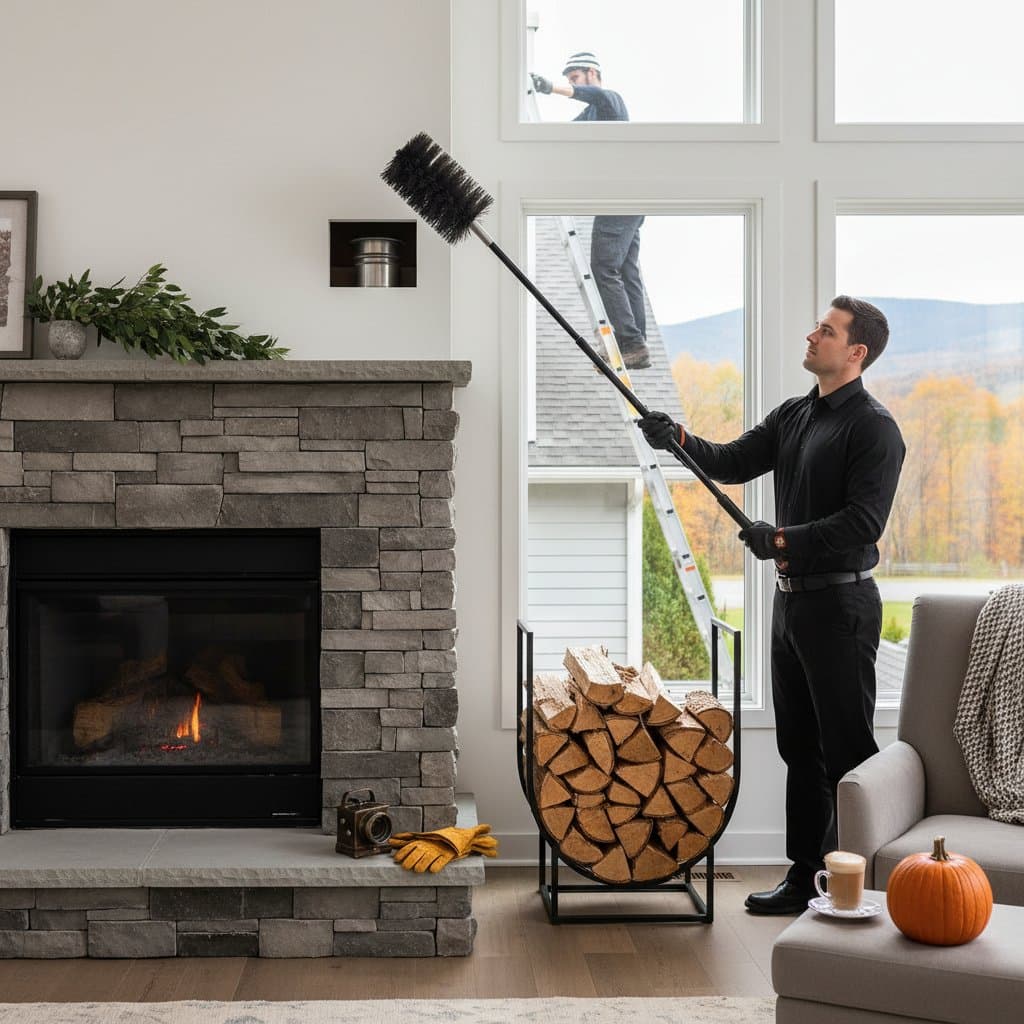
Begin with a certified chimney sweep's visit, ideally before the heating season peaks. Professionals use specialized tools to detect creosote buildup, blockages, and structural weaknesses invisible to the untrained eye. Creosote, a tar-like residue from wood smoke, ignites easily and accounts for most chimney fires. An annual inspection costs between 150 and 300 dollars but prevents far greater expenses. Book now to secure an appointment during the busy fall period.
Step 2: Clean Out Ash and Debris
Prior to the inspection, clear the firebox of accumulated ash and remnants from last season's use. Employ a metal shovel to scoop out the material, followed by an ash-specific vacuum for fine particles. Avoid standard vacuums, as lingering hot embers could spark a fire or ruin the device. Transfer cooled ash to a metal bin and position it outdoors, distant from structures or flammable items. This process minimizes odors and allows the inspector to focus on deeper issues.
Step 3: Check Chimney Caps and Flashing
Chimney caps serve as vital barriers against rain, debris, wildlife, and leaves that clog the flue. Examine yours from the roof or with binoculars for signs of damage, such as torn mesh screens or extensive rust. Replace damaged caps promptly to maintain protection. Similarly, inspect the flashing, the metal seal between chimney and roof. Leaks from deteriorated flashing lead to water damage and interior stains. Parts for repairs range from 50 to 250 dollars, varying by size and material; consider stainless steel for longevity.
Step 4: Test the Damper and Airflow
The damper regulates air intake to the chimney, influencing draft and efficiency. Operate it fully open and closed to verify smooth movement without sticking. Lubricate hinges with a high-temperature product if needed, applying sparingly to avoid residue buildup. To assess airflow, ignite a tightly rolled sheet of newspaper near the flue and observe the smoke. If it billows back into the room, a blockage or cold flue may be the culprit. Warm the flue briefly with a controlled small fire to establish proper upward draft.
Step 5: Inspect Surrounding Masonry and Firebox
Examine the fireplace exterior for cracks in bricks, loose mortar joints, or signs of deterioration from weather exposure. Such damage often stems from moisture infiltration or foundation shifts. Seal small fissures with refractory caulk designed for high heat, but consult a mason for substantial repairs to restore integrity. Within the firebox, verify that firebricks remain whole, free from spalling or excessive soot. A sound structure contains heat effectively and reduces fire hazards.
Step 6: Stock Up on the Right Firewood
Select seasoned hardwoods like oak, maple, or hickory for optimal burning; these varieties produce intense heat with minimal smoke compared to softwoods or green timber. Ensure wood has aged at least six months, showing cracks in the ends and weighing less than fresh cuts. Store it on an elevated, covered rack to promote air circulation and prevent ground moisture. Proper storage curbs creosote accumulation, which forms when unseasoned wood smolders inefficiently.
Maintain Safety Through the Season
Ongoing vigilance extends the life of your chimney and fireplace system. After every use, cool the ashes completely before disposal, and perform monthly cap checks following heavy winds or rain. Address any unusual smoke, odors, or drafts by summoning a professional without delay. These habits not only avert emergencies but also optimize performance, lowering energy bills and delivering consistent warmth. Invest time in maintenance now for decades of reliable, hazard-free enjoyment.