Real Mold Remediation Costs Homeowners Face in 2025
No homeowner anticipates discovering mold growth behind drywall or beneath flooring. This issue appears unsightly, emits an unpleasant odor, and can silently compromise the structural integrity of a residence. Upon detection, the primary concern revolves around the financial implications of remediation. The total expense hinges on multiple variables, such as the extent of the affected area, the specific mold variety, and the depth of structural damage. Gaining insight into these elements enables effective budgeting and informed decisions regarding self-managed cleanup versus professional intervention.
How Mold Remediation Costs Are Calculated
Professionals determine mold remediation costs primarily by square footage and the level of infestation severity. Standard rates range from 10 to 25 dollars per square foot for comprehensive services that encompass containment, extraction, and subsequent treatment. Infestations covering less than 10 square feet typically incur fees of 200 to 600 dollars, whereas extensive outbreaks may escalate to 5,000 to 10,000 dollars or beyond.
The following table provides a breakdown of average costs based on affected home areas:
| Area of Home | Typical Cost Range | Common Cause |
|---|---|---|
| Bathroom or Laundry Room | 500 to 1,500 dollars | High humidity, leaks |
| Basement | 1,500 to 5,000 dollars | Foundation moisture |
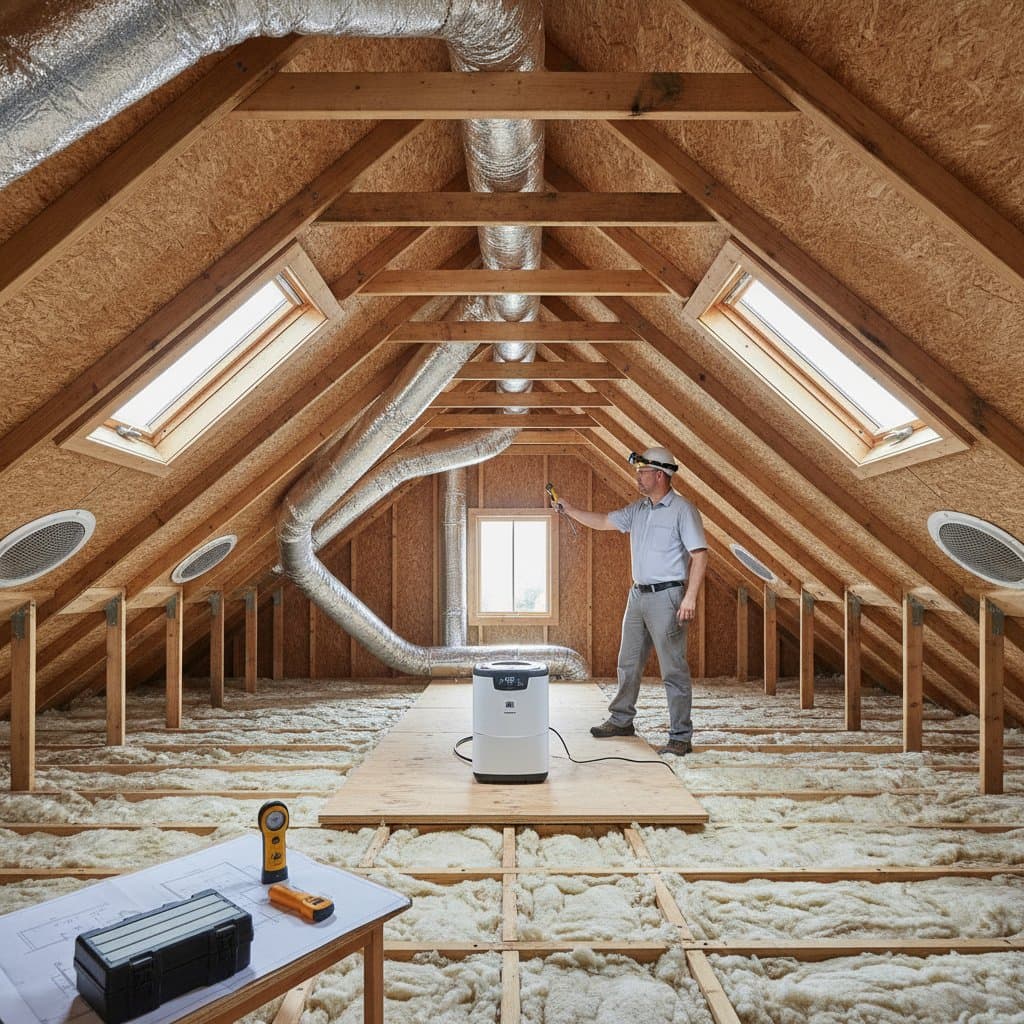
| Attic | 1,000 to 3,000 dollars | Roof leaks, poor ventilation |
| HVAC System | 2,000 to 6,000 dollars | Contaminated ductwork |
| Whole House | 10,000 dollars or more | Widespread black mold |
These estimates establish realistic benchmarks, though final quotes fluctuate according to access challenges and material types involved. Factors like hidden mold in wall cavities or ceiling spaces often necessitate additional exploratory work, further influencing the overall price.
Black Mold and Specialty Treatments
Mold varieties differ in risk levels and remediation demands. Stachybotrys chartarum, commonly known as black mold, generates mycotoxins that pose potential health risks, including respiratory irritation and allergic reactions. Eradication efforts for this type command a premium, typically 25 to 30 percent above standard rates, due to rigorous containment protocols and advanced air purification requirements. A standard 3,000-dollar project might thus climb to 4,000 dollars or more for black mold.
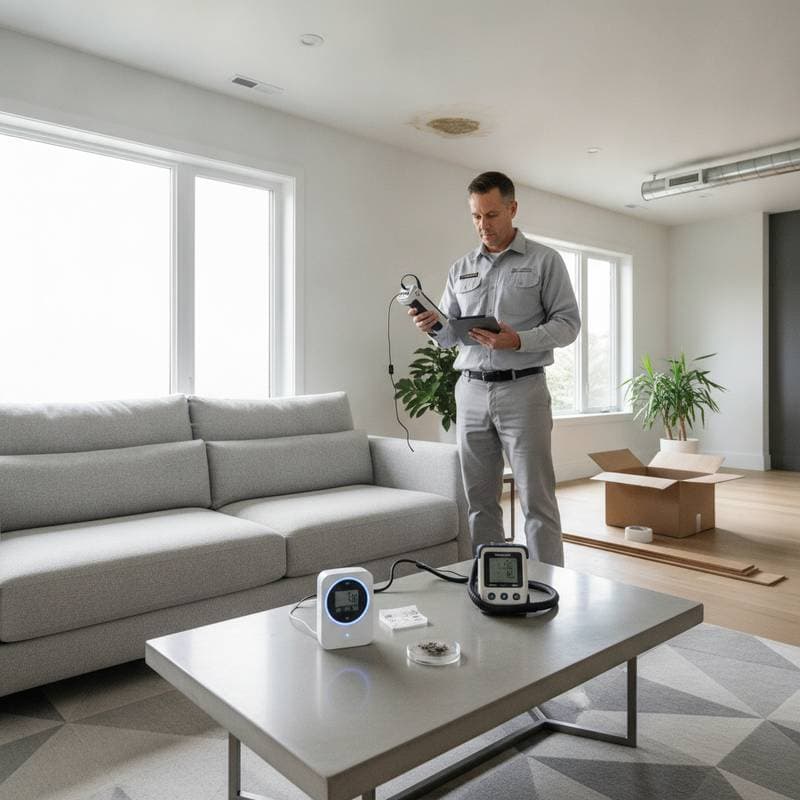
Certified remediators deploy specialized equipment, including HEPA vacuums for spore capture, negative air machines to maintain pressure differentials, and antimicrobial sealants to inhibit recurrence. These measures ensure thorough elimination without cross-contamination. Homeowners encountering suspected black mold should engage licensed experts immediately, as amateur attempts risk health exposure and incomplete resolution.
DIY Mold Removal vs. Hiring a Pro
Many homeowners consider self-remediation to reduce expenses. For minor instances limited to under 10 square feet on nonporous surfaces such as tile or metal, cleaning proves feasible using a mild detergent solution or a dedicated commercial mold remover. Essential protective gear includes nitrile gloves, safety goggles, and an N95 respirator to minimize spore inhalation. Always ventilate the area thoroughly during and after the process.
Larger areas or infestations penetrating porous materials like drywall, carpet, or insulation demand professional expertise. Certified contractors excel in spore containment to prevent airborne spread, a critical step that DIY methods often overlook. They conduct post-remediation air quality assessments to confirm safety standards.
A standard professional remediation sequence involves:
- Thorough inspection and moisture source identification.
- Establishment of containment barriers using heavy-duty plastic sheeting and adhesive seals.
- Deployment of HEPA filtration systems to capture airborne particles.
- Precise removal and disposal of contaminated building materials.
- Application of cleaning agents and thorough drying procedures.
- Final verification through sampling and testing.
Omitting these protocols frequently results in mold resurgence, amplifying future expenses.
Common Mistakes That Increase Costs
Even diligent homeowners commit errors that escalate a manageable mold issue into a costly ordeal. Addressing these pitfalls proves essential for cost efficiency.
- Overlooking persistent leaks or condensation sources prior to cleanup, which guarantees rapid regrowth.
- Applying paint directly over visible mold, merely masking the underlying problem without eradication.
- Relying on bleach for porous substrates like wood or drywall, as it fails to penetrate and eliminate embedded spores.
- Neglecting ventilation upgrades in high-moisture zones such as bathrooms, kitchens, or attics, thereby fostering ongoing conditions.
- Bypassing post-cleanup air quality testing, leaving potential health hazards undetected.
Resolving root moisture problems forms the cornerstone of effective, enduring remediation. Proactive investments in dehumidifiers, exhaust fans, and regular maintenance yield substantial long-term savings by averting repeated interventions.
Accessibility and Health Considerations
Household members with allergies, asthma, or compromised immune systems elevate the urgency of professional involvement. Remediation teams adhere to established EPA and IICRC protocols, prioritizing safe isolation techniques and minimal disruption. In such cases, delaying action risks exacerbated health effects from prolonged exposure.
Accessibility challenges, like mold in crawl spaces or behind appliances, also influence costs. Professionals utilize specialized tools, such as endoscopic cameras for inspection and scaffold systems for elevated work, ensuring comprehensive treatment without structural compromise.
Steps to Address Mold Effectively
Prompt response minimizes both damage and expenses. Initiate with a detailed moisture assessment to identify and repair leaks or humidity sources. Document the infestation through photographs and measurements to support insurance claims or contractor evaluations.
Solicit quotes from at least two or three certified professionals, verifying that proposals detail containment, removal, treatment, and verification components. Compare not only pricing but also timelines, warranties, and adherence to industry standards.
Remediation extends beyond surface cleanup to encompass air quality restoration and preventive strategies. By mastering cost drivers, discerning appropriate intervention levels, and implementing moisture management routines, homeowners safeguard their living environments against mold threats for the foreseeable future.