
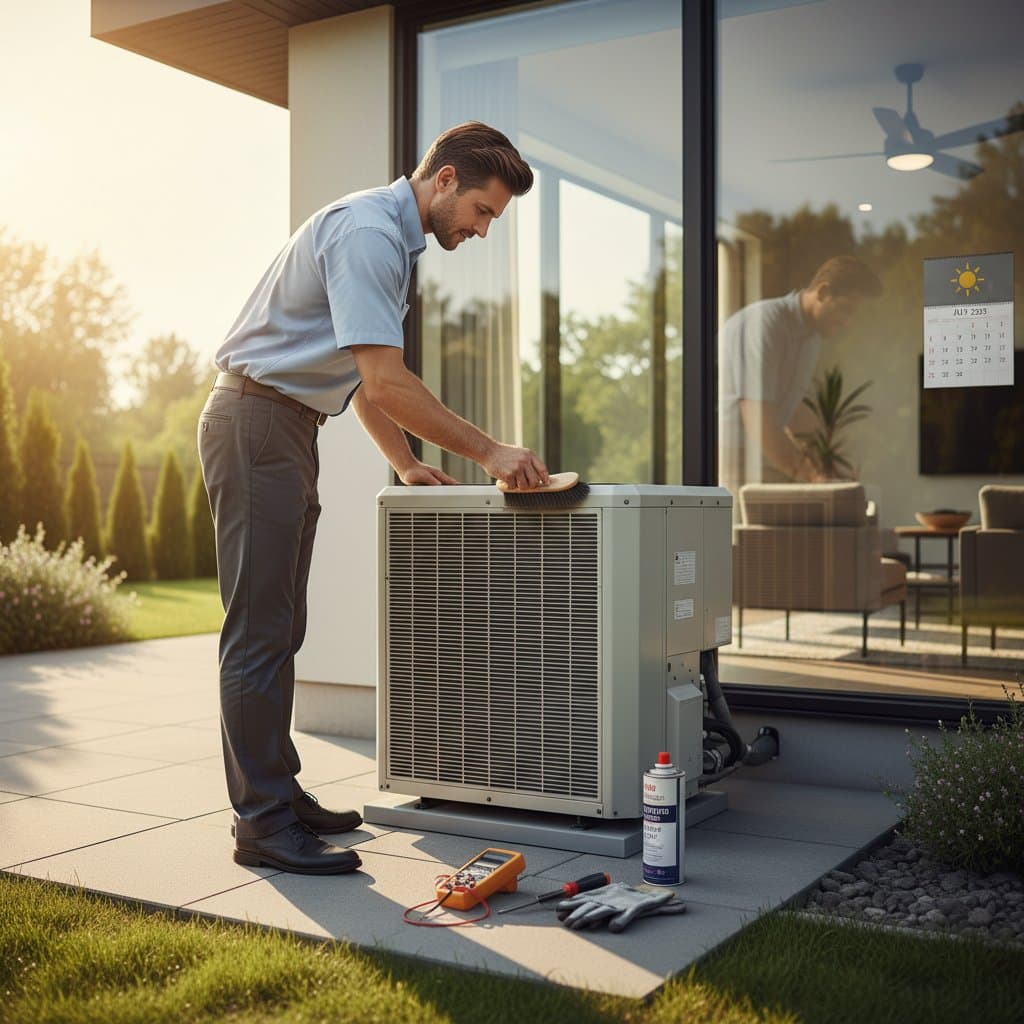
Average Professional Inspection Cost: $100 to $300
As summer temperatures rise, a reliable air conditioner becomes essential for maintaining a comfortable home environment. Neglecting routine checks can lead to inefficiency, higher energy bills, and unexpected failures during the hottest days. This guide provides practical steps to inspect and prepare your system, helping you avoid discomfort and unnecessary expenses.
Verify Thermostat Functionality
The thermostat serves as the control center for your air conditioning system, determining when it activates and for how long. An inaccurate reading can result in overcooling, which wastes energy, or undercooling, which leaves rooms uncomfortably warm. To test accuracy, place a trusted room thermometer next to the thermostat and compare the temperatures after allowing time for stabilization. A discrepancy greater than two degrees Fahrenheit indicates the need for recalibration according to the manufacturer's instructions or replacement with a more precise model.
Upgrading to a smart thermostat offers advanced benefits, including programmable schedules and adaptive learning based on your daily routines. These devices connect to your home Wi-Fi, allowing remote adjustments via smartphone apps, and many integrate with voice assistants for hands-free operation. Homeowners frequently observe energy savings of up to 10 percent on cooling costs after installation, provided the model aligns with your existing HVAC setup and electrical system.
Inspect Refrigerant Levels and Associated Lines
Refrigerant is the lifeblood of your air conditioner, enabling the cooling process by absorbing and releasing heat. Low levels typically indicate a leak, which manifests as warm air from vents, ice formation on coils, or reduced overall performance. While visual checks for signs like hissing sounds from the outdoor unit, oily spots on refrigerant lines, or inconsistent cooling are accessible to homeowners, handling refrigerant requires professional expertise due to environmental regulations and safety protocols.
Engage a certified HVAC technician to measure system pressure, identify leak sources using specialized detectors, and perform recharging if necessary. Simple recharges often cost around $200, but addressing underlying issues such as corroded coils or damaged lines may exceed $1,000. Regular monitoring prevents these problems from escalating, ensuring the system operates at optimal efficiency without releasing harmful substances into the atmosphere.
Maintain Moving Parts and Secure Connections
During intense heat, the mechanical elements of your air conditioner, including fan motors, blower assemblies, and drive belts, endure significant stress. Friction in these components can generate excess heat, leading to premature wear and operational noise. Consult your unit's manual to determine if lubrication is recommended; if so, apply a manufacturer-approved light machine oil to designated ports on motors and bearings to reduce resistance and extend component life.
Examine all electrical connections for looseness or corrosion, as these can cause intermittent power issues or safety hazards. Tighten any loose screws, bolts, or clamps on access panels, mounting brackets, and ductwork attachments using appropriate tools. Addressing these details minimizes vibrations, curbs unusual sounds, and averts minor faults from developing into major repairs that disrupt cooling during peak demand.
Evaluate Energy Efficiency and Potential Upgrades
Older air conditioning units, particularly those over 10 years in age, often struggle with modern energy demands and may require frequent servicing. Newer models incorporate advanced compressors, variable-speed fans, and improved insulation, achieving up to 30 percent greater efficiency compared to outdated systems. These enhancements also better manage indoor humidity, promoting healthier air quality and reducing mold risks in damp climates.
When selecting a replacement, prioritize units with Energy Star certification, which signifies compliance with rigorous federal efficiency standards. Focus on the Seasonal Energy Efficiency Ratio (SEER) rating; values above 16 generally translate to substantial long-term savings on electricity bills. Consult with a professional to assess compatibility with your home's ductwork and electrical capacity, ensuring the upgrade delivers maximum return on investment through lower operational costs and enhanced reliability.
Implement Strategies to Avoid Future Problems
Year-round vigilance forms the foundation of a dependable air conditioning system, warding off crises when temperatures soar. Position the outdoor condenser unit in a shaded area away from direct sunlight, but ensure adequate airflow by maintaining at least two feet of clearance on all sides. Professional tune-ups before the cooling season begins and after it ends allow technicians to clean coils, test electrical components, and calibrate controls for optimal function.
Replace air filters every one to three months, depending on usage and filter type, to sustain proper airflow and indoor air quality. Pay attention to subtle changes, such as diminished airflow from registers, unusual odors, or alterations in operational sounds, and address them promptly. By adopting these habits, you secure consistent cooling, trim energy expenses, and minimize surprise service calls, transforming your home into a resilient haven against extreme weather.




