Beat the 2025 Heat: Essential HVAC Checklist
When temperatures rise, the air conditioning system serves as the primary equipment for maintaining comfort in the home. A properly prepared HVAC system ensures indoor air remains comfortable, avoids expensive repairs, and manages energy costs during periods of intense heat. For central air, heat pumps, or ductless configurations, a seasonal checklist guarantees efficient operation throughout the summer.
Start with a Full System Inspection
Examine both indoor and outdoor components first. Inspect the condenser unit for visible dirt, rust, or damage, and remove leaves, twigs, or debris that obstruct airflow. Maintain a two-foot clearance around the outdoor unit to facilitate proper ventilation and prevent overheating. Inside, check the air handler for dust accumulation and ensure vents and registers remain open and free from obstructions.
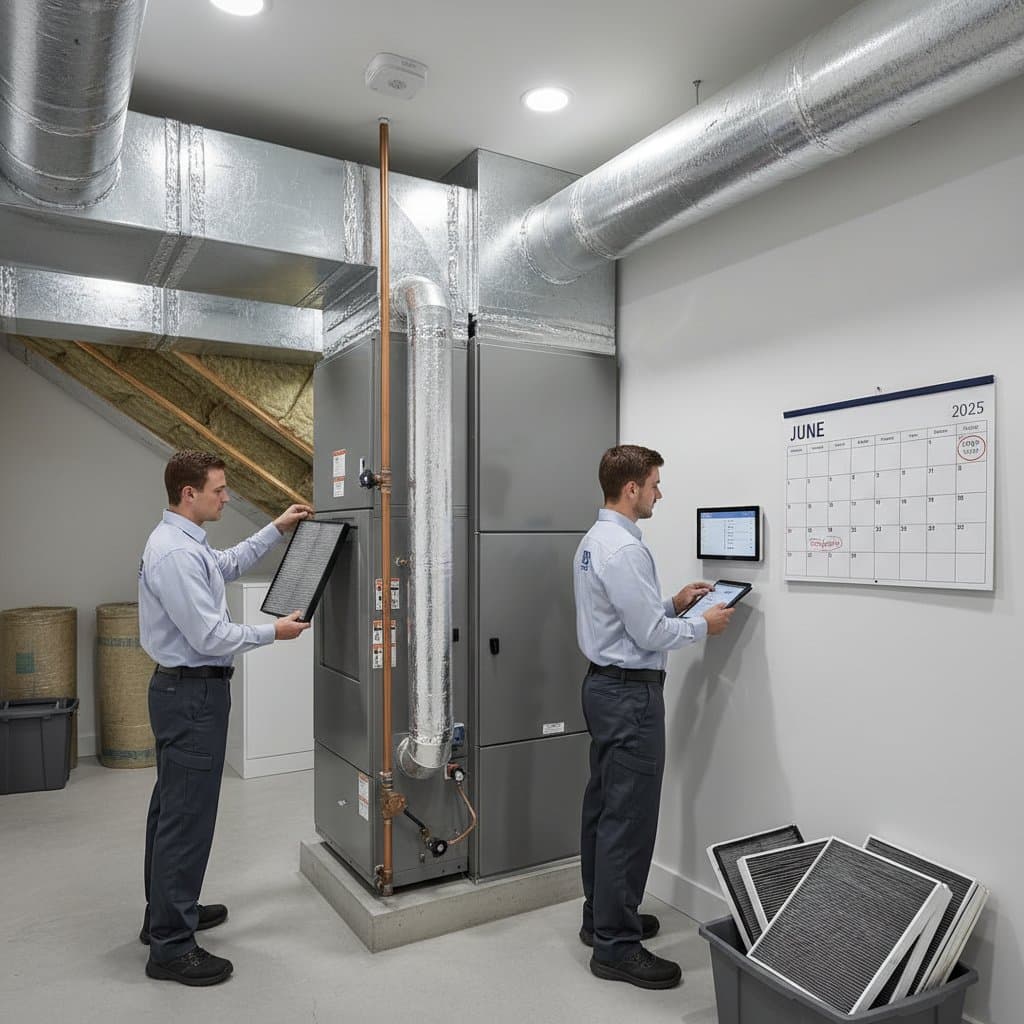
HVAC professionals advise scheduling a tune-up prior to the arrival of high temperatures. A licensed technician tests refrigerant levels, examines wiring, and confirms the blower motor and fan function properly. Homeowners typically pay between 100 and 200 dollars for a preseason inspection, an investment that averts major failures costing over 1,000 dollars.
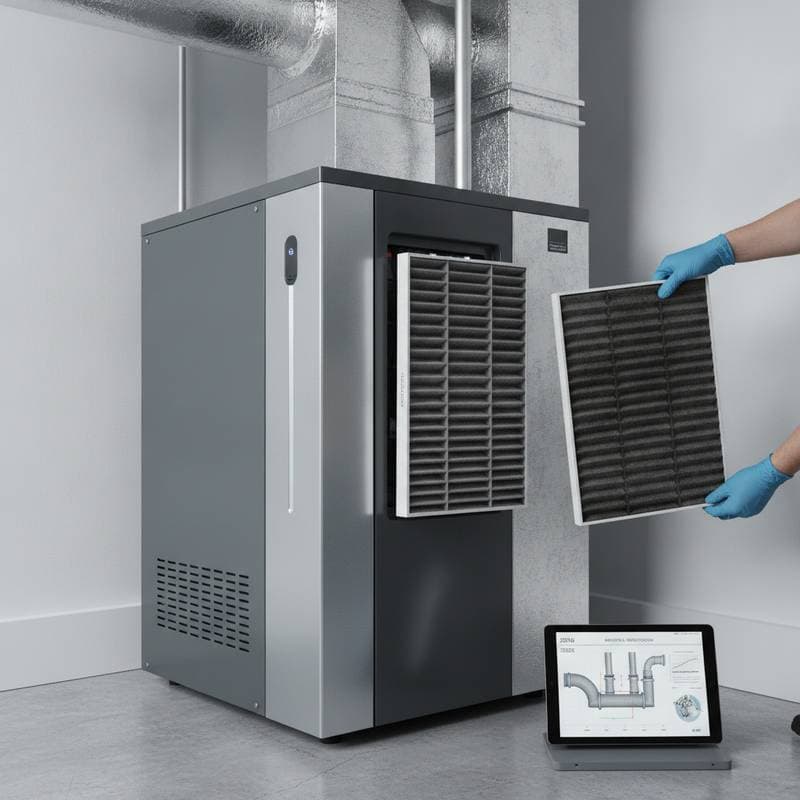
Replace or Clean Air Filters
Clogged filters restrict airflow, compel the system to labor excessively, and result in increased energy consumption along with inconsistent cooling. Replace disposable filters every one to three months, based on local air quality and household occupancy. For washable filters, rinse them thoroughly and allow complete drying before reinstallation. In residences with pets or allergy sufferers, opt for high-efficiency particulate air (HEPA) filters to trap smaller particles.
A clean filter enhances cooling efficiency by as much as 15 percent and prolongs compressor lifespan. When the unit operates continuously or indoor air appears dusty, inspect the filter immediately.
Examine Thermostat Settings and Function
The thermostat controls the cooling system. Test functionality by lowering the setting a few degrees below the current room temperature and observe if the system activates. In the absence of response, verify batteries or the circuit breaker. Smart thermostats offer enhanced control through remote adjustments and programmable schedules. Minor changes, such as raising the temperature several degrees during absences, lower annual cooling expenses by approximately 10 percent.
For outdated or imprecise thermostats, replacement ranges from 100 to 300 dollars, with smart versions providing energy monitoring and zoning features.
Clean Condenser Coils and Drain Lines
Condenser coils accumulate dirt over time, which impedes heat transfer. Disconnect power to the unit and clean coils with a soft brush or specialized cleaner, avoiding any bending of the fins. A garden hose effectively removes surface dust from the outdoor unit. Inspect the condensate drain line for blockages that lead to water leaks or elevated indoor humidity. A damp or musty odor indicates a clog, resolvable with a vinegar and water solution.
Check Ductwork for Leaks
Leaking ducts lose up to 30 percent of cooled air. Examine visible duct sections in attics, basements, or crawl spaces for disconnected joints or openings. Apply mastic sealant or metal tape to seal minor leaks. Professional duct sealing services range from 400 to 1,000 dollars, depending on the home's size and duct accessibility. This process enhances overall comfort, eases system strain, and delivers uniform cooling across all rooms.
Evaluate Insulation and Airflow
Even an optimized HVAC system underperforms without adequate home insulation. Assess attic insulation for sufficient depth and supplement if it seems inadequate or uneven. Seal cracks around windows, doors, and vents to minimize heat gain. These enhancements lessen the air conditioner's workload and sustain stable indoor temperatures. Install ceiling fans to circulate cool air effectively, permitting higher thermostat settings while preserving comfort.
When to Call a Professional
Strange noises, reduced airflow, or inconsistent cooling warrant immediate attention from a certified HVAC technician. Issues such as refrigerant leaks, electrical faults, or compressor malfunctions demand specialized equipment and expertise. Postponing repairs escalates expenses and diminishes system longevity. Maintenance plans, which encompass two annual visits, priority response, and part discounts, benefit many homeowners.
Sustain System Performance Year-Round
Consistent upkeep ensures reliable cooling without excessive costs. Set calendar alerts for monthly filter checks, outdoor debris removal, and thermostat testing. Arrange professional servicing ahead of peak heat to sidestep seasonal delays.
Implementing this comprehensive HVAC checklist equips the home against extreme summer conditions. These proactive measures foster efficiency, dependability, and enhanced living comfort, maximizing system potential during critical periods.