Understanding Greywater Recycling: Costs, Permits, and Installation Options
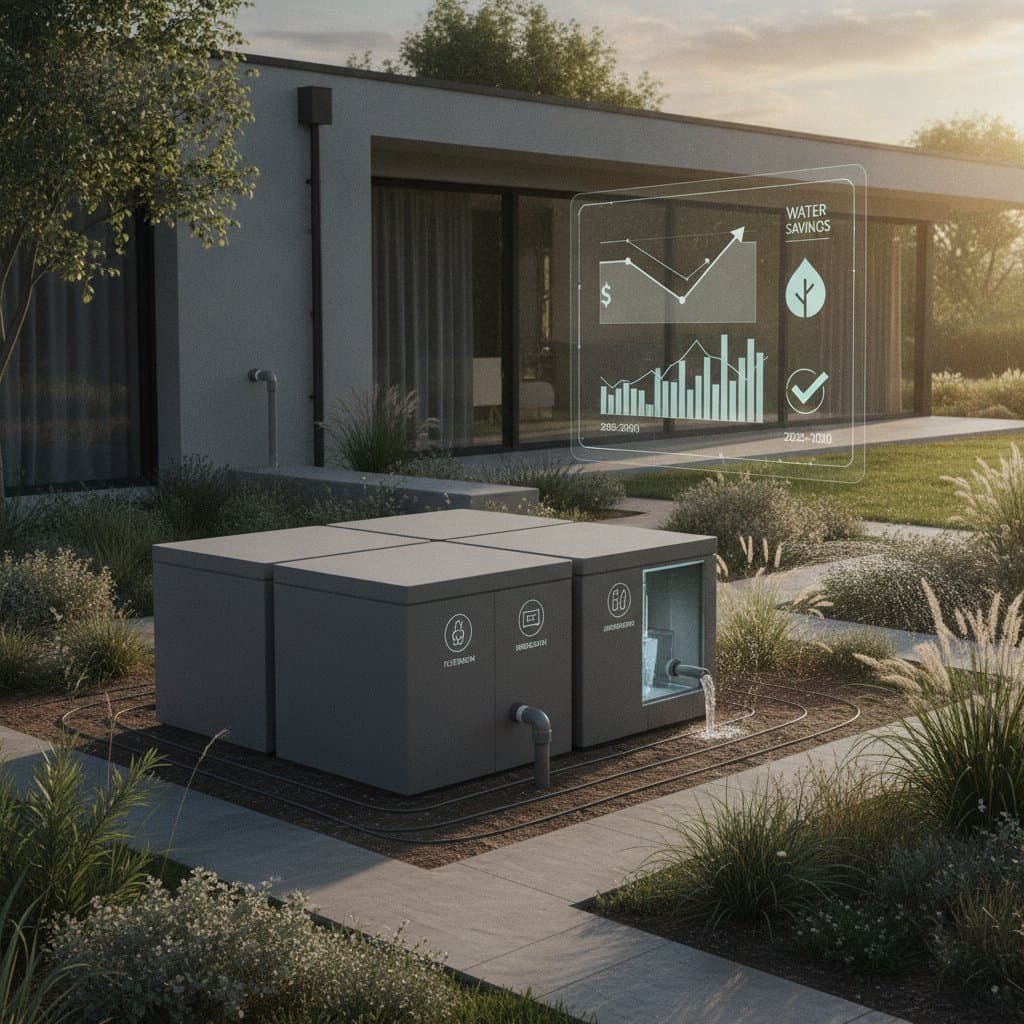
Greywater recycling represents a practical approach for homeowners to decrease household water consumption, reduce monthly utility bills, and contribute to environmental sustainability. These systems repurpose mildly contaminated water from sources such as bathroom sinks, showers, and washing machines for non-potable uses like garden irrigation or toilet flushing. Homeowners face a primary choice: implement a basic do-it-yourself (DIY) setup or engage professionals for a comprehensive, code-compliant installation.
This guide outlines the fundamentals of greywater systems, associated expenses, necessary permits, and strategies for selecting the appropriate installation method. By examining these elements, readers gain insights to make informed decisions that balance cost, efficiency, and safety.
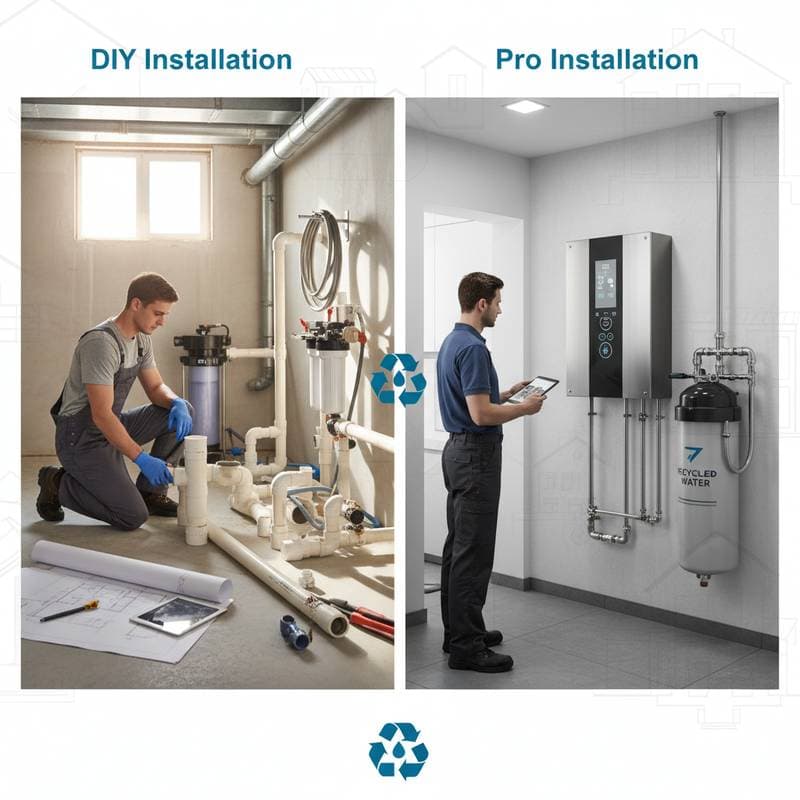
Comparing DIY and Professional Installations
The decision between DIY and professional installation hinges on individual expertise, financial constraints, and adherence to local regulations. Each option presents distinct advantages and challenges that affect overall project success.
Advantages of DIY Greywater Systems
DIY installations offer significant cost savings by eliminating professional labor fees, which can account for 40 to 60 percent of total expenses. Homeowners maintain full control over the design, allowing adaptations to specific property features like yard size or drainage patterns. Additionally, the process provides valuable education on household water dynamics and conservation techniques.
Challenges of DIY Greywater Systems
Simple DIY setups typically manage water from a single source, limiting their scalability for larger households. Maintenance demands increase, as basic filters and piping require frequent cleaning to prevent blockages from soaps or debris. Failure to secure permits may result in code violations, leading to fines, system dismantling, or legal complications.
Advantages of Professional Greywater Systems
Professionals deliver reliable systems through precise engineering that optimizes water flow and filtration for consistent operation. They ensure full compliance with plumbing and environmental codes, minimizing risks of contamination or regulatory issues. Advanced features, such as automated sensors and timers, enhance efficiency, while durable materials extend system lifespan and reduce repair needs.
Challenges of Professional Greywater Systems
The primary drawback involves elevated costs, with labor and design fees potentially doubling or tripling DIY expenses. Project timelines extend due to permitting processes and required inspections, which may span several weeks. Homeowners surrender some customization control to expert recommendations.
Key Safety and Expertise Factors
Greywater includes residues like soaps, oils, and particulates that pose health hazards if handled improperly. Systems must strictly separate greywater from blackwater, which originates from toilets, and avoid application to food crops without advanced treatment. Individuals lacking plumbing knowledge or familiarity with local ordinances should opt for licensed professionals to mitigate risks of leaks, contamination, or structural damage.
Step-by-Step Decision Framework
Follow this structured process to evaluate and select the best greywater installation approach for your home.
Step 1: Analyze Household Water Production
Calculate daily greywater volume by tracking usage from primary sources: showers generate about 20 gallons per person, laundry adds 15 to 30 gallons per load, and sinks contribute 5 to 10 gallons. Tools like online calculators or simple metering help quantify potential reuse for irrigation needs.
Step 2: Gauge Personal Capabilities and Available Tools
Assess comfort with basic plumbing tasks, such as cutting pipes or installing valves. A gravity-based system suits those with moderate skills and requires minimal equipment like shovels and connectors. For complex pumped systems, professional involvement becomes essential.
Step 3: Compute Comprehensive Expenses
Factor in materials (pipes, filters, tanks) costing $200 to $1,500 for DIY, plus labor ($1,000 to $5,000 for pros), permits ($50 to $500), and annual maintenance ($100 to $300). Long-term savings on water bills, often 20 to 50 percent, offset initial outlays over 3 to 5 years.
Step 4: Prioritize Safety Protocols and Regulatory Adherence
Consult municipal codes to confirm allowable system types and reuse applications. Install backflow preventers to safeguard drinking water supplies, and use diverter valves for easy source switching.
Step 5: Finalize Your Selection
Choose professional installation for robust, low-maintenance solutions ideal for high-volume reuse. Select DIY for modest projects where hands-on involvement aligns with learning goals and budget limits.
Project Preparation Essentials
Thorough preparation ensures smooth execution and optimal system performance.
Research and Initial Planning
Investigate approved greywater categories in your jurisdiction, such as laundry-to-landscape or full diversion systems. Identify contributing fixtures and target reuse areas, like non-edible landscaping, to maximize benefits while complying with health standards.
Site Assessment and Setup
Locate existing drain lines and evaluate terrain for natural slopes that facilitate gravity flow. Clear vegetation and ensure access points for future inspections, aiming for a layout that distributes water evenly without pooling.
Timeline and Budget Management
Allocate 1 to 2 weekends for DIY projects or 2 to 4 weeks for professional ones, accounting for permit approvals. Establish a detailed budget spreadsheet that includes contingencies for unexpected material price fluctuations or additional site modifications.
Pre-Installation Steps
Gather supplies like PVC piping, surge tanks, and mulch for soil integration. Test water quality from sources to confirm low contaminant levels, and schedule any prerequisite soil tests for irrigation zones.
Ongoing Maintenance and Environmental Impact
Effective greywater systems require regular upkeep to sustain functionality and safety. Inspect filters monthly, flushing lines quarterly to remove buildup, and monitor for leaks annually. Professional servicing every 1 to 2 years prevents efficiency losses and extends system life beyond 10 years.
Beyond maintenance, these systems yield substantial benefits: households save thousands in water costs over time, conserve municipal resources, and lower carbon footprints by reducing treatment plant demands. Implementing greywater recycling fosters resilience against water scarcity, empowering homeowners to lead in sustainable home management.