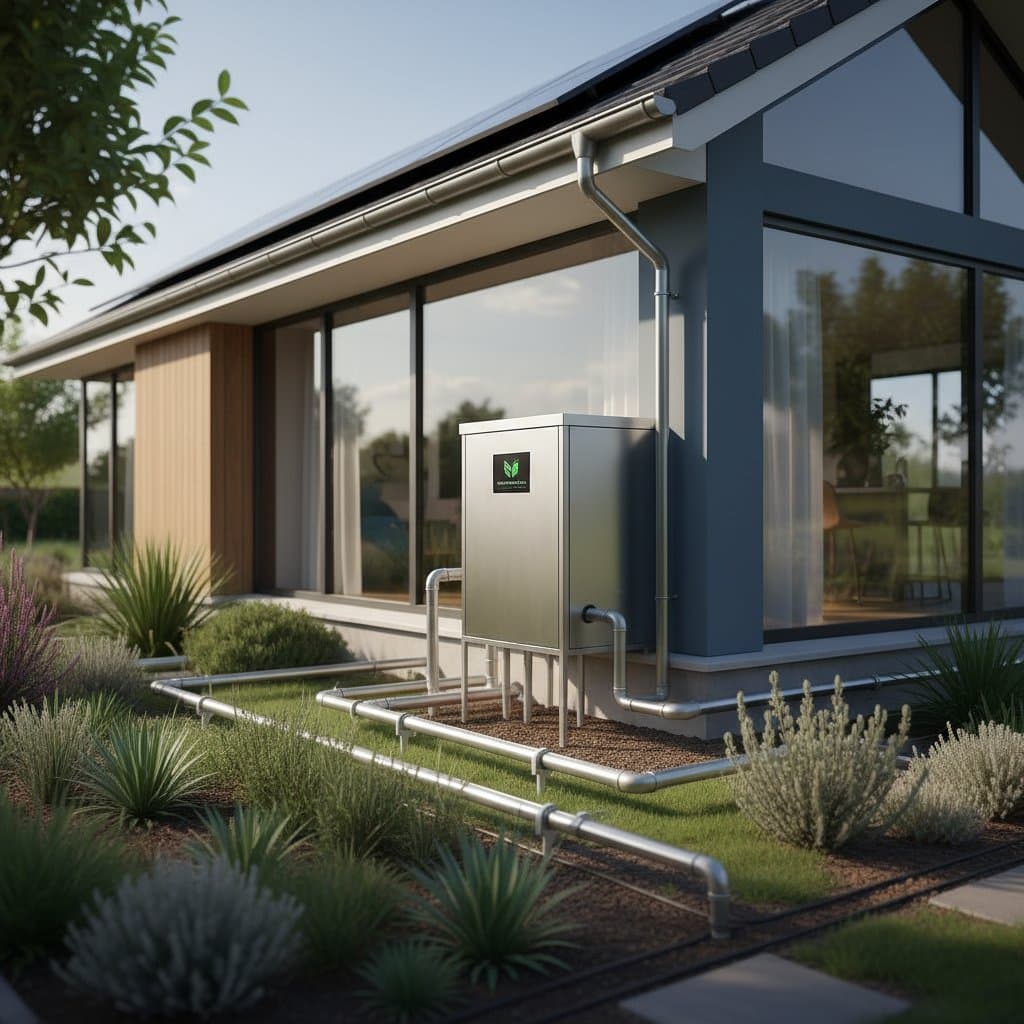
Greywater Costs in 2026: Achieve Substantial Water Savings
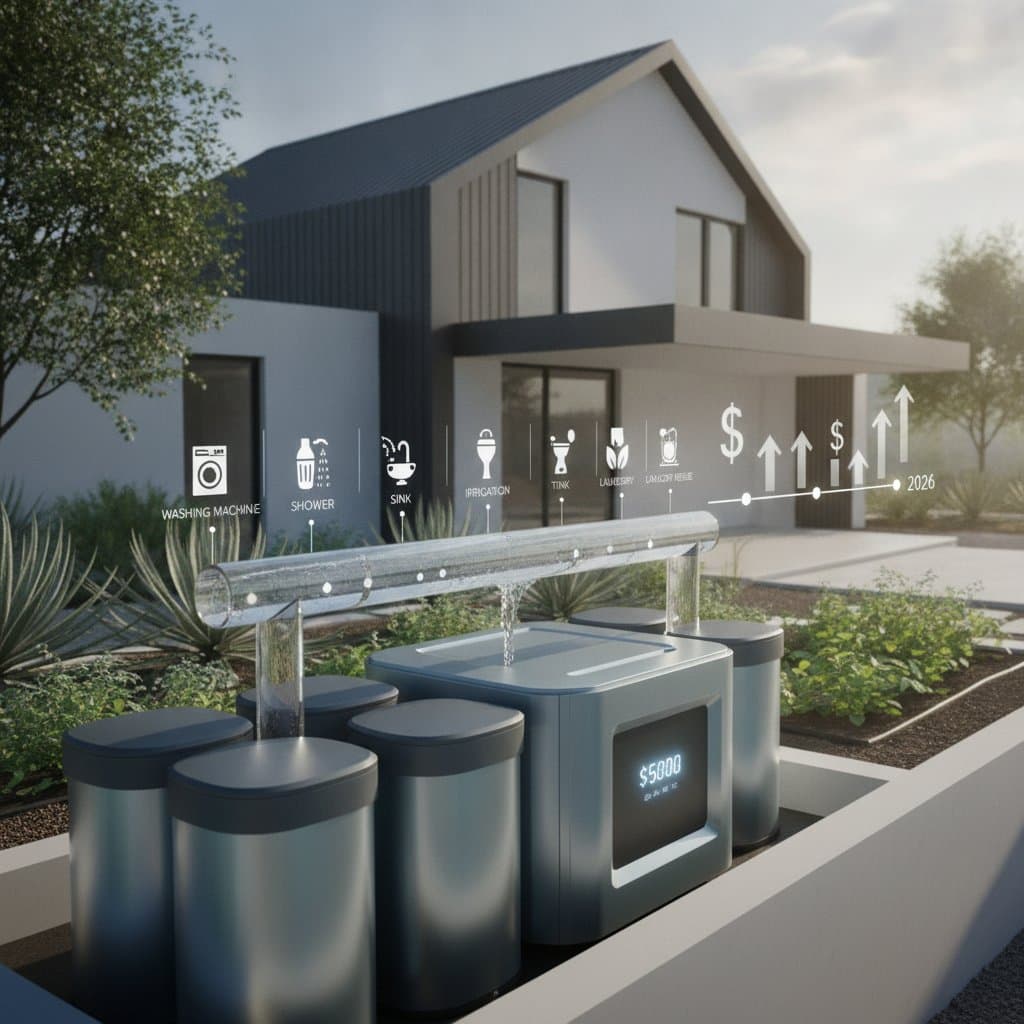
Water prices continue to rise amid increasing drought frequency, prompting homeowners to seek effective methods for reducing consumption while preserving daily comfort. Greywater systems provide a reliable approach by capturing water from sources such as showers, bathtubs, bathroom sinks, and washing machines. This water undergoes filtration and redirection for tasks like garden irrigation or toilet flushing, thereby lowering utility bills and supporting conservation of freshwater resources.
For those renovating plumbing or planning an eco-conscious new construction, grasping the latest greywater expenses and benefits enables informed choices. The following sections detail system options, pricing averages, setup considerations, ongoing care, and strategies to maximize returns, positioning greywater diversion as a wise, enduring home upgrade.
Types of Greywater Systems
Greywater systems divide into two primary groups: diversion systems and treatment systems. These categories accommodate varying financial plans, existing pipe configurations, and intended applications.
Diversion Systems
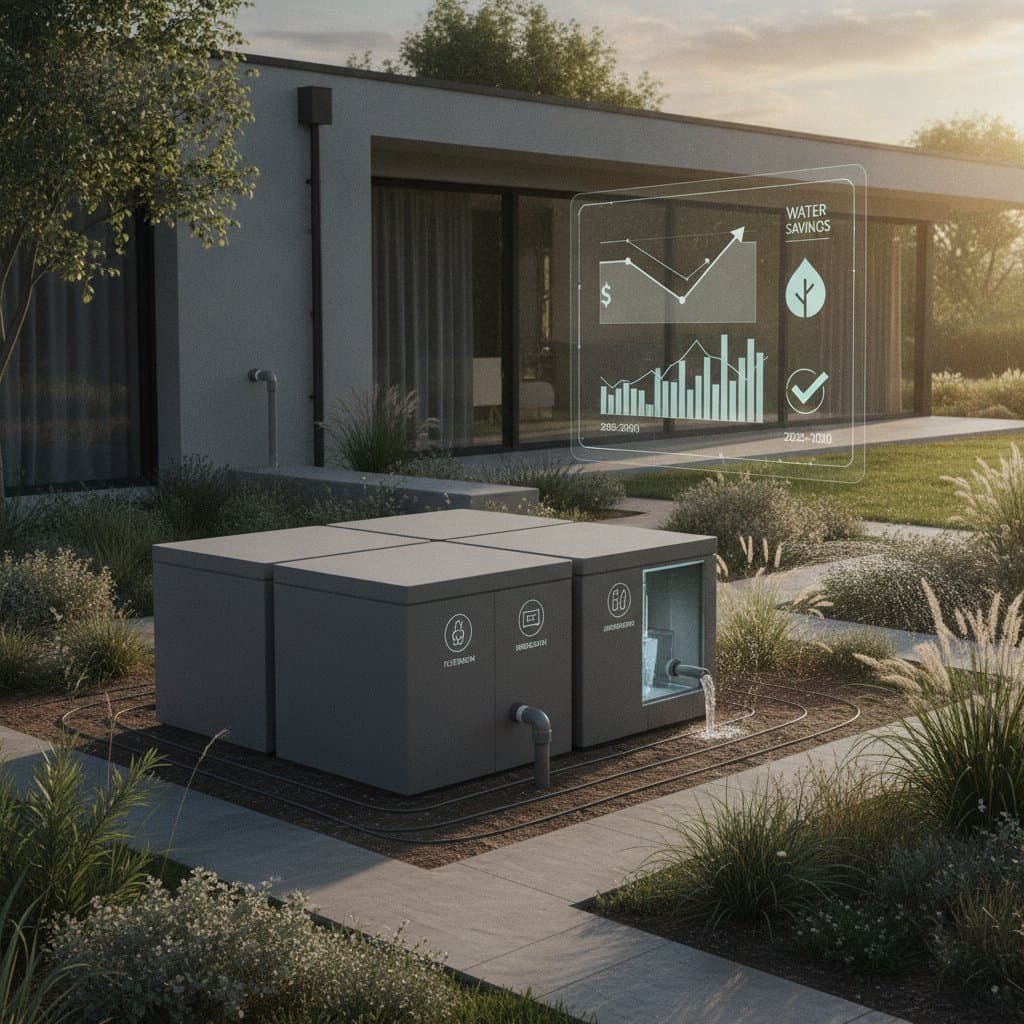
Diversion systems channel greywater straight from household fixtures to outdoor plants or underground watering lines. Basic filtration removes particles like hair and lint, without advanced chemical or microbial processing.
Primary applications:
- Watering gardens and landscapes
- Nourishing fruit trees, bushes, and decorative foliage
Key benefits:
- Straightforward construction
- Reduced initial expense
- Limited routine servicing
Potential drawbacks:
- Lacks capacity for extended storage
- Unsuitable for interior applications
Individuals seeking an uncomplicated, budget-friendly option frequently select diversion systems. Such setups perform optimally in temperate regions with consistent irrigation demands throughout the year.
Treatment Systems
Treatment systems process greywater through multiple stages, including filtration, disinfection, and storage for expanded uses. Components often encompass sediment traps, biological processors, and disinfection via ultraviolet light or chlorine. The resulting water supports lawn irrigation, toilet operations, or precise drip networks with assured safety.
Key benefits:
- Versatile for both interior and exterior purposes
- Enhanced adaptability
- Superior output quality
Potential drawbacks:
- Elevated starting investment
- Dependence on electricity and regular attention
Households pursuing high levels of water autonomy or pursuing credentials like LEED or Green Star ratings find treatment systems particularly suitable.
Maintenance and Operating Costs
To ensure safety and performance, greywater systems demand consistent care, as filters and pumps manage substantial buildup from daily use. Budgeting for these tasks proves essential for longevity.
Annual expense estimates:
- Filter changes: $50 to $200
- Pump maintenance and cleaning: $100 to $300
- Required water quality checks: $50 to $100
- Electricity for treatment units: $30 to $60
One homeowner recounted on a forum that monthly filter rinses and biannual valve inspections sustained their setup for over five years, avoiding significant fixes. Adopting a comparable routine safeguards the system and averts blockages.
Comparing Greywater to Other Water-Saving Methods
Greywater integration forms part of a comprehensive efficiency strategy. Evaluating it against alternatives aids in allocating resources effectively.
| Method | Average Savings | Installation Cost | Maintenance | Best Use |
|---|---|---|---|---|
| Low-flow fixtures | 20 to 30% | $200 to $800 | Minimal | Indoor conservation |
| Rainwater harvesting | 30 to 50% | $2,000 to $10,000 | Moderate | Outdoor irrigation |
| Greywater system | 25 to 45% | $1,000 to $10,000 | Moderate | Indoor and outdoor reuse |
| Smart irrigation | 20 to 40% | $300 to $1,500 | Low | Lawn and garden care |
A detailed analysis from a green building resource indicates that pairing greywater with low-flow devices can halve overall household water demands. Greywater stands out for its reliability, delivering a constant resource unlike seasonal rainwater collection, given the steady generation from routine activities like bathing and washing.
Long-Term Savings and Return on Investment
Benefits from greywater systems build over time. A four-person household employing a treatment system might conserve 25,000 to 35,000 gallons annually. Given escalating rates, this yields yearly reductions of $250 to $500, varying by region.
For a $6,000 installation, recovery typically spans 10 to 12 years. Incentives or synergy with water-efficient plants accelerate this period.
Additional gains include lessened pressure on wastewater systems and minimized plant die-off in arid periods. These factors contribute intangible worth surpassing direct bill cuts.
Common Troubleshooting Tips
Performance hiccups can arise in any system, yet basic diagnostics minimize professional intervention.
Addressing low flow or clogs:
Excess lint or strands often cause these. Perform monthly filter cleanings and periodic line flushes with fresh water.
Resolving odors:
Stagnation or ventilation blocks frequently trigger smells. Inspect vent paths and verify diversion mechanisms seal correctly.
Handling pump issues:
Confirm electrical connections and clear impeller areas of obstructions. Substitute units remain affordable and straightforward to fit.
Preventing algae in reservoirs:
Shield tanks from light and ensure tight seals. Incorporate ultraviolet units if buildup persists.
Steps to Implement Greywater Reuse Effectively
Begin by assessing your home's water sources and reuse priorities, such as focusing on irrigation if outdoor needs dominate. Consult local regulations to confirm compliance, then select a system matching your scale—start simple with diversion if budget constrains. Engage certified installers for plumbing integration, and track initial outputs to refine usage patterns. Over time, monitor savings through meter readings to validate the investment and adjust for optimal efficiency.