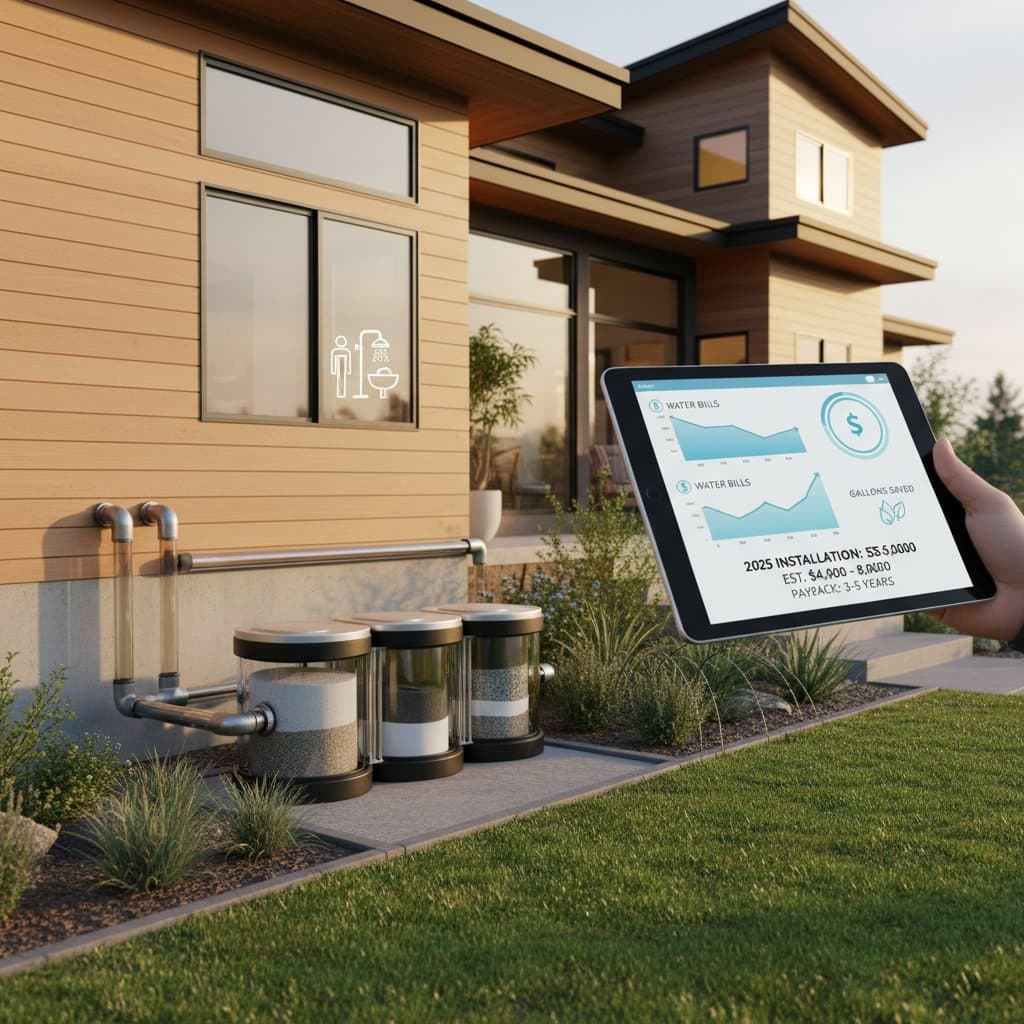
Understanding Greywater Systems for Homeowners in 2025
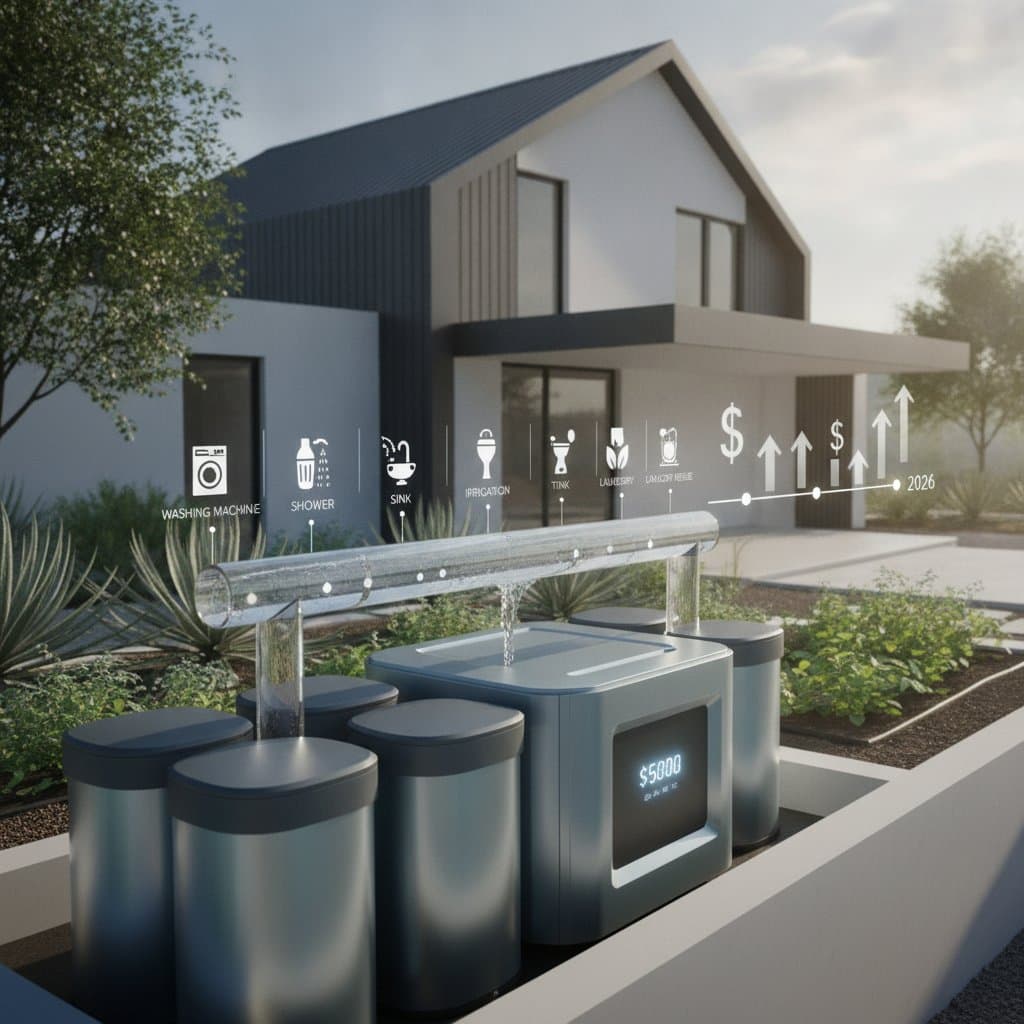
Homeowners seek effective methods to lower water bills and minimize environmental impact. Greywater systems redirect used water from sources such as sinks, showers, and washing machines for applications like garden irrigation or toilet flushing. These systems promote sustainability by reusing water that would otherwise enter sewers, with installation costs influenced by system scale, property configuration, and regional regulations. This guide provides detailed insights into expenses, permitting, and financial returns to assist in informed decision-making.
Key Components and Typical Costs
Greywater system expenses vary based on design complexity, household water output, and integration with existing infrastructure. Basic configurations suit smaller properties, while comprehensive units handle larger volumes and advanced treatments. In 2025, expect the following ranges for materials and labor.
Cost categories:
- Simple laundry-to-landscape systems: These divert washing machine output directly to outdoor plants, costing $300 to $800 for DIY materials like hoses, diverter valves, and mulch basins.
- Mid-range filtered systems: Including pumps and basic filtration for broader use, professional installation totals $2,000 to $5,000, covering plumbing modifications and surge tanks.
- Advanced treatment systems: With ultraviolet disinfection and storage for indoor reuse, prices reach $6,000 to $12,000 or more, depending on capacity and automation features.
Factors such as inaccessible plumbing or soil amendments can increase costs by 20 to 30 percent. Homeowners benefit from obtaining multiple quotes from licensed plumbers experienced in greywater to ensure competitive pricing.
Navigating Permits and Regulations
Local authorities regulate greywater installations to protect public health and groundwater quality. Permits ensure systems meet standards for pathogen reduction and non-potable use. Begin the process by contacting your municipal building department or environmental health office.
Step-by-step permit guidance:
- Research local codes: Verify if greywater diversion requires approval; some areas classify simple outdoor systems as exempt, while indoor reuse demands full review.
- Submit plans: Provide system diagrams, water source details, and treatment specifications. Fees range from $50 to $300.
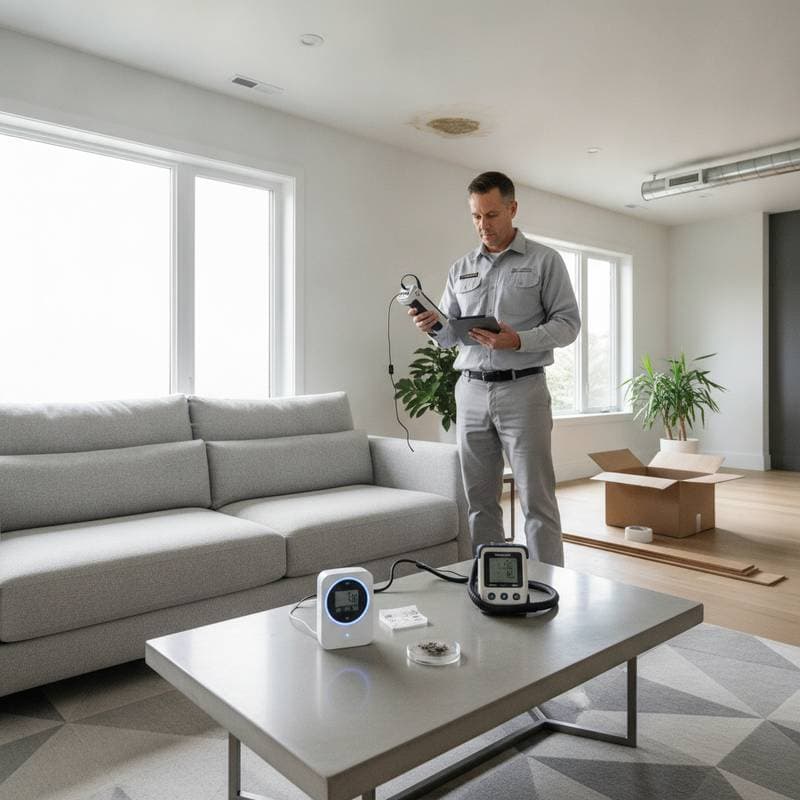
- Schedule inspections: Officials check installation for leaks, proper separation from blackwater, and compliance with setbacks from wells or edible gardens.
- Obtain certification: Approved systems receive operational permits, often renewable every few years with maintenance logs.
Non-compliance risks fines up to $1,000 or system removal. In water-scarce regions like California or Arizona, incentives such as rebates up to $1,000 may offset permit and installation costs.
Calculating Long-Term Savings and Return on Investment
Rising utility rates amplify the value of greywater reuse, particularly in arid areas where water prices exceed $0.01 per gallon. A typical household generates 50 to 100 gallons of greywater daily, which systems can redirect to offset fresh water needs.
Projected savings examples:
- For a family of four in a moderate climate, a basic system reduces outdoor water use by 30 percent, yielding $150 to $300 annual bill reductions.
- High-efficiency setups in larger homes achieve 50 percent overall savings, potentially recovering costs within 3 to 7 years.
- Combined with xeriscaping, total household water consumption drops by 40 percent, enhancing drought resilience.
Track savings by monitoring utility bills before and after installation. Integrating greywater with rainwater harvesting further boosts efficiency, potentially doubling conservation impacts.
Selecting and Installing the Appropriate System
Property specifics guide system choice, balancing initial investment with usage patterns. Irrigation-focused designs suit yards with permeable soil, while filtration-heavy options enable versatile applications.
Essential considerations:
- Define primary use: Outdoor watering requires minimal treatment; indoor flushing needs robust purification.
- Assess daily greywater volume: Calculate based on fixtures, aiming for systems sized to 50 to 75 percent of total output to avoid overload.
- Evaluate plumbing compatibility: Older homes may need pipe upgrades to separate greywater lines.
- Review site constraints: Ensure discharge areas avoid contamination risks, such as vegetable patches.
Engage a certified professional for site assessments and custom designs. Maintenance involves quarterly filter cleaning and annual pump checks, costing $100 to $200 yearly.
Greywater in Context: Comparisons with Complementary Strategies
Greywater excels when paired with broader conservation efforts, creating layered efficiency. Compare it to alternatives for a holistic approach.
Side-by-side evaluation:
| Strategy | Upfront Cost | Maintenance | Annual Savings Potential |
|---|---|---|---|
| Greywater Reuse | $300–$12,000 | Low to moderate (filters, pumps) | 20–50% on bills |
| Rainwater Harvesting | $1,000–$10,000 | Moderate (gutters, tanks) | 10–30% for irrigation |
| Smart Irrigation | $200–$2,000 | Low (sensors, apps) | 15–40% on landscaping |
These options complement each other; for instance, greywater supplements rainwater during dry spells. Homeowners adopting multiple methods often see compounded returns exceeding 50 percent in water cost reductions.
Expert perspectives:
- Greywater transforms household effluent into an asset, easing pressure on municipal supplies while delivering tangible financial relief.
- Many systems recoup investments through utility savings in as little as two growing seasons.
- Thoughtful permitting streamlines adoption, ensuring safe and effective water management.
Realizing Benefits Through Implementation
Implementing a greywater system positions homeowners for enduring savings and ecological contributions. Start with a feasibility audit to align the setup with your lifestyle and locale. Over time, these investments not only trim expenses but also foster self-sufficiency in water use, supporting community-wide conservation goals.