Greywater Installation Costs in 2026: Balancing Expenses with Substantial Water Savings
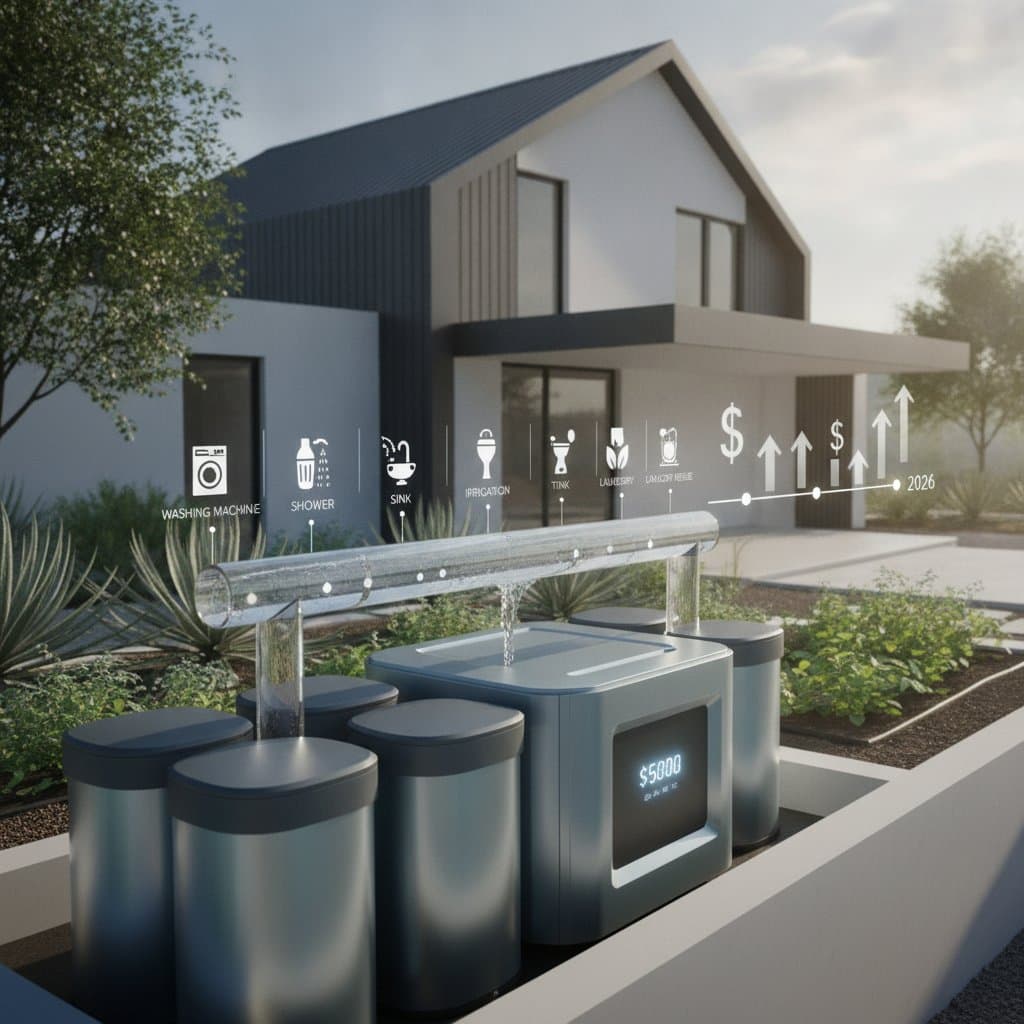
Greywater systems attract increasing interest from homeowners seeking to lower water bills and ease environmental pressures. These systems collect water from sources such as showers, bathtubs, and washing machines, then repurpose it for landscape irrigation or toilet flushing. Proper installation supports sustainability goals while delivering financial returns, though expenses depend on system scale, configuration, and regional plumbing standards.
Core Elements of Greywater System Costs
The average cost for installing a residential greywater system falls between $2,000 and $7,000 nationwide, varying by setup and existing plumbing. Entry-level systems that route laundry water directly to outdoor areas start at the lower end of this spectrum. More advanced whole-house options, which incorporate filtration and storage for broader applications, approach the upper limit.
Location plays a significant role in determining prices. In arid or regulated regions, costs rise due to rigorous code adherence and elevated demand for conservation tools. Areas with ample rainfall or milder restrictions often benefit from reduced pricing, as incentives for water-saving measures remain moderate.
Timing influences expenses as well. Demand peaks during spring and summer, coinciding with landscaping projects, which can drive up rates. In off-peak seasons, installers may lower fees to sustain workloads. Fluctuations in material prices and labor availability further shape overall budgets.
Common Pricing Approaches
Installers employ diverse pricing strategies to suit project needs. Hourly billing, ranging from $75 to $150, suits modest retrofits where time estimates prove flexible. Extensive installations favor fixed-price agreements, offering predictability from the outset.
Unit-based models apply to expansions, such as additional collection lines, which add $500 to $1,000 each. Bundled packages frequently integrate design consultations, plumbing modifications, and initial maintenance, streamlining costs. While rare, subscription plans cover ongoing needs like filter servicing for select advanced systems.
System Levels and Associated Costs
Greywater solutions vary by capability, with pricing reflecting added functionality.
- Entry-level systems: These gravity-based designs channel washing machine effluent to gardens, costing $800 to $2,500.
- Mid-tier systems: Equipped with basic filters and pumps for multi-source collection, they range from $3,000 to $6,000.
- Advanced systems: Featuring automated treatment, reservoirs, and seamless irrigation ties, prices climb to $7,000 through $15,000 based on capacity.
- Custom systems: Tailored for expansive estates or non-residential sites, these surpass $20,000.
Factors Shaping Installation Expenses
System extent and household size dictate much of the budget. A compact setup for a single bathroom demands minimal piping compared to multi-room configurations.
Integration challenges elevate costs in homes with concrete slabs or outdated pipes, necessitating structural adjustments. Features like subsurface tanks or digital controls introduce premium elements.
Project duration spans one to five days, influenced by site accessibility and complexity; labor typically accounts for 50 percent of expenses. Components including durable PVC lines, efficient pumps, and robust filters contribute the balance. Investing in superior filtration enhances longevity and minimizes future upkeep.
Optional Enhancements and Extra Fees
Tailored additions allow customization, though they impact the bottom line.
- Enhanced filtration: Units that eliminate particulates and residues add $400 to $800.
- Reservoir options: Surface or in-ground storage for extended reuse costs $1,000 to $3,000.
- Smart integration: Flow-regulating sensors and controllers range from $300 to $1,200.
- Rush services: Accelerated timelines raise labor by 10 to 20 percent.
Maintenance remains essential, with yearly checks and part swaps costing $150 to $300. Service agreements often discount these routines for long-term owners.
Quantifying Savings from Water Reuse
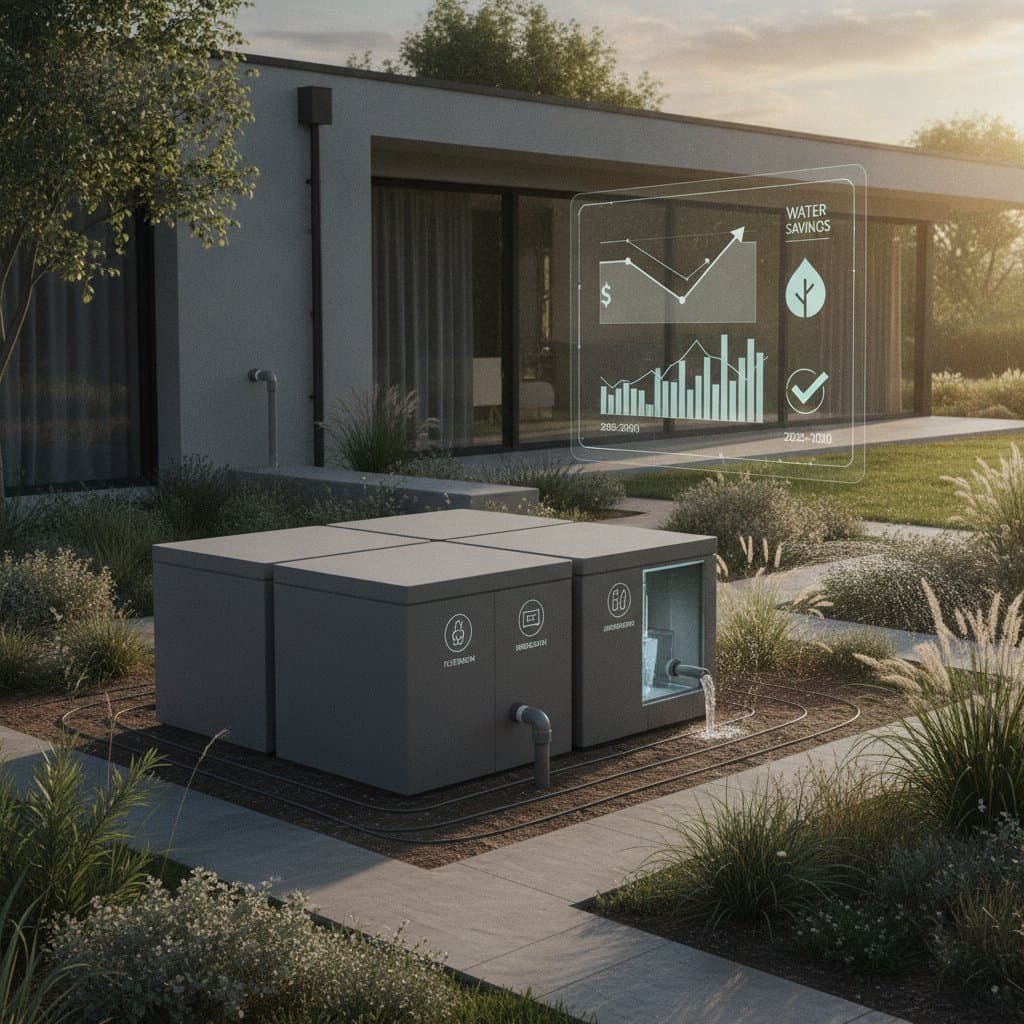
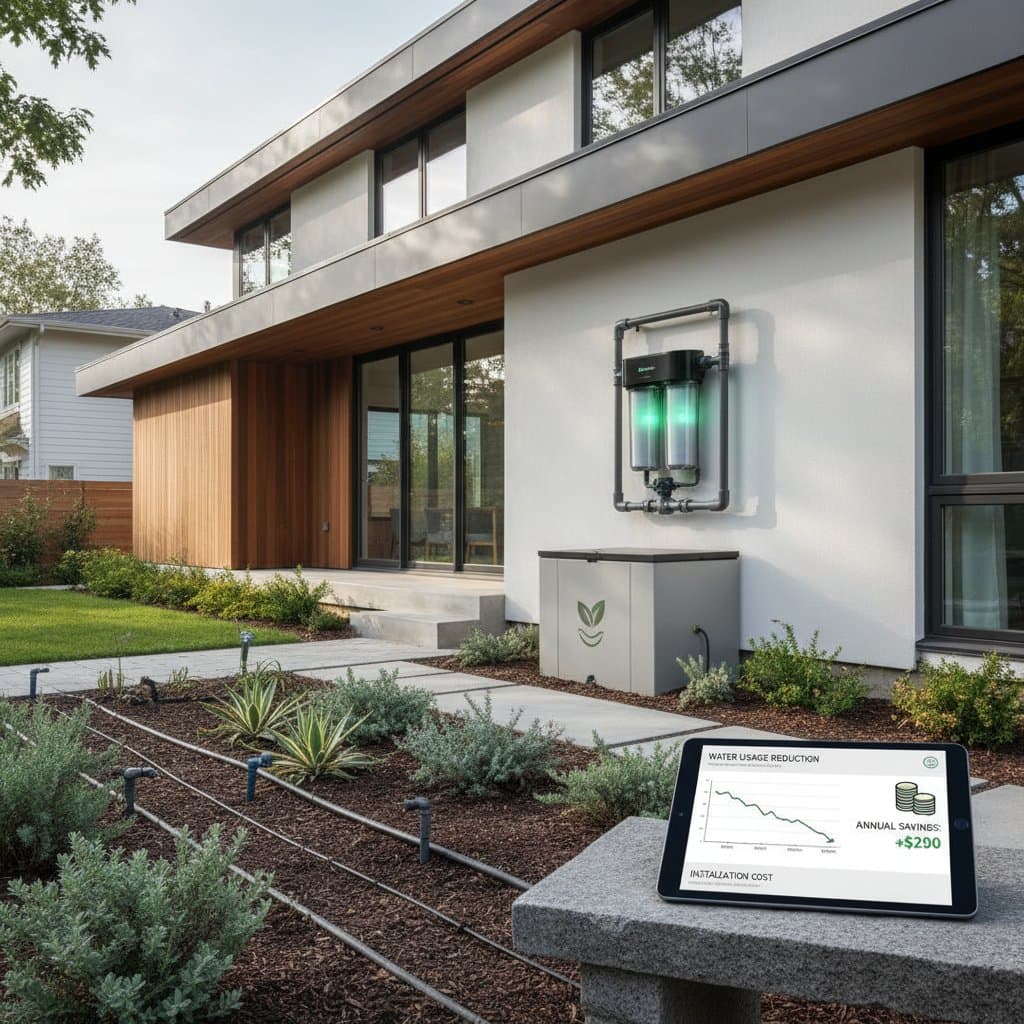
These systems curtail freshwater demand by 20 to 40 percent, contingent on fixture connections. An average household conserves 10,000 to 25,000 gallons annually. At regional rates of $0.004 to $0.01 per gallon, this yields $100 to $250 in yearly bill reductions, accumulating to substantial offsets over 10 years.
Environmental gains extend to reduced strain on sewage infrastructure, aligning with broader conservation efforts. Qualifying installations may access local rebates or incentives to accelerate payback.
Selecting a Reliable Professional
A skilled installer guarantees code compliance and optimal operation. Prioritize specialists in water reuse or licensed plumbers with proven greywater portfolios. Gather references, solicit bids from three providers, and insist on detailed proposals covering scope, breakdowns, and follow-up care.
Realizing Returns Through Strategic Planning
Thoughtful greywater adoption yields enduring fiscal and ecological advantages. By evaluating options, securing competitive estimates, and partnering with experts, homeowners position themselves for reliable conservation and cost efficiencies.