Quarterly Filter Changes: Pure Air Maintenance Schedule
Maintaining clean indoor air requires regular HVAC filter replacements. Clogged filters trap dust, pollen, and debris, which restrict airflow and force the system to labor for consistent temperatures. This inefficiency drives up energy bills, accelerates wear on components, and compromises air quality. Homeowners and facility managers can avoid these problems by following a quarterly replacement schedule, ensuring a healthier environment in living or working spaces.
Cost Fundamentals
Quarterly air filter replacement costs depend on location, HVAC system design, and filter specifications. Standard pleated filters typically cost homeowners 20 to 60 dollars each. For superior options like HEPA or activated carbon filters, prices climb to 40 to 120 dollars, influenced by size and manufacturer.
In major cities, expect elevated prices from higher labor and material fees. Rural areas often see reduced rates, particularly for basic fiberglass types. Demand surges during allergy seasons, pushing costs upward as people prioritize advanced filtration. Broader economic pressures, including supply chain disruptions and raw material prices, further shape these variations, with imported components most vulnerable to international trends.
Pricing Models
HVAC service providers present multiple options for filter replacements:
- Hourly rates: Technicians bill 60 to 120 dollars per hour, covering inspection and installation.
- Flat fees: Visits for filter changes range from 100 to 200 dollars, encompassing labor and supplies.
- Per unit pricing: For multi-unit buildings or zoned homes, charges average 80 to 150 dollars per HVAC unit.
- Bundle packages: Annual plans with quarterly changes, coil checks, and tune-ups cost 250 to 600 dollars.
- Subscription models: Monthly filter deliveries with reminders run 15 to 40 dollars, simplifying ongoing needs.
Select a model based on service scope. Single-system owners benefit from hourly or flat-fee arrangements, whereas property managers handling multiple units gain from bundles or subscriptions for reliable maintenance.
Service Tiers
Replacement services divide into four tiers:
- Basic Service: A straightforward filter exchange with standard filters costs 20 to 50 dollars per visit.
- Standard Service: This adds airflow checks and minor vent cleaning, priced at 75 to 120 dollars.
- Premium Service: Includes duct evaluations, performance tests, and advanced filters for 150 to 250 dollars.
- Specialized Service: Tailored for environments like medical facilities or allergy-prone homes, these exceed 300 dollars per session.
Tiers match varying priorities. Budget-conscious individuals opt for basic or standard levels, while those needing precise air control select premium or customized approaches.
Factors Shaping Costs
Multiple elements determine quarterly replacement expenses:
- System scale and design: Expansive setups demand additional or larger filters, increasing overall outlay.
- Filter variety: Durable HEPA or electrostatic models carry higher initial prices but extend service intervals.
- Replacement cadence: Standard quarterly timing suits most, but dusty or humid conditions may require monthly attention.
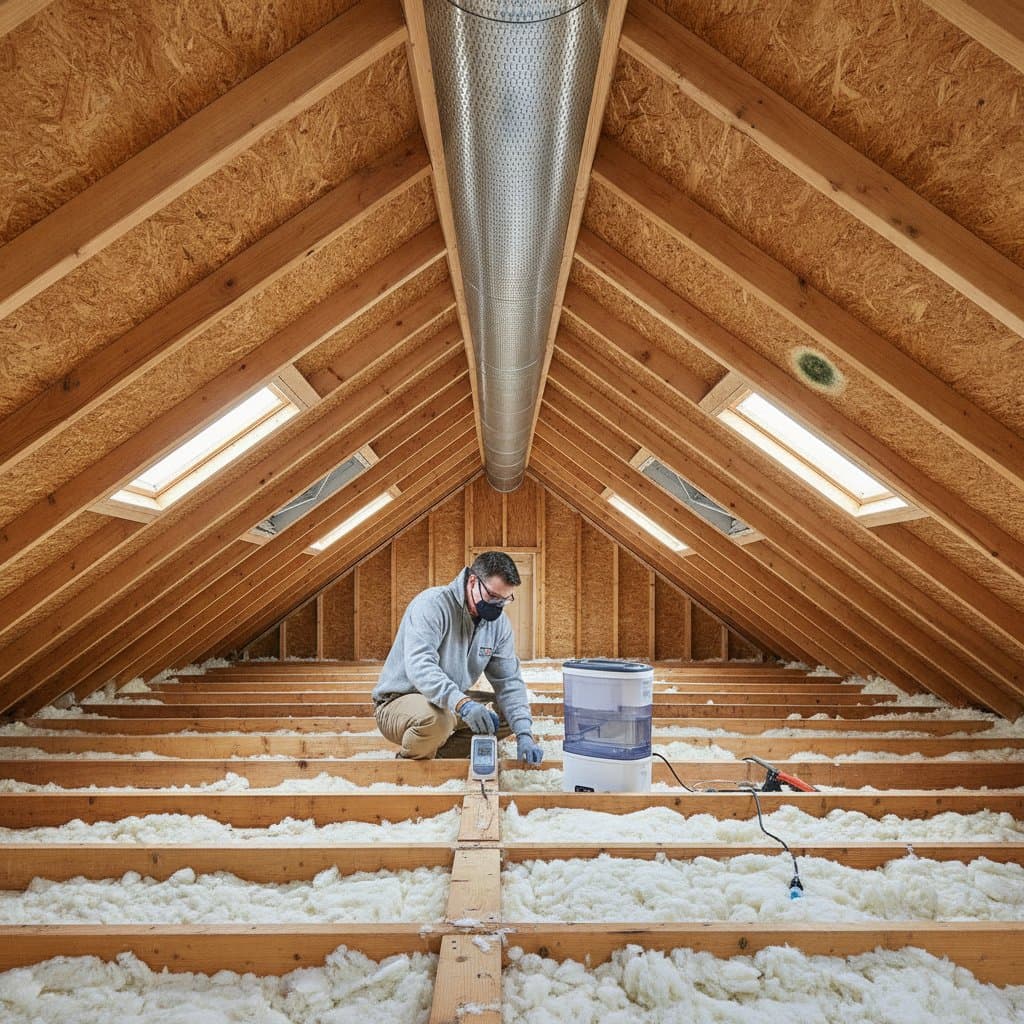
- Access challenges: Inconvenient locations, such as attics or basements, extend labor and elevate fees.
- Manufacturer choice: Premium brands like Honeywell, Lennox, and Aprilaire command higher prices for reliable results.
An AirCare Services technician notes that regular quarterly changes cut energy consumption by up to 15 percent versus delayed maintenance, often recouping filter expenses through savings.
Optional Enhancements
Providers frequently pair filter changes with value-added services:
- Duct cleaning: A complete system purge runs 300 to 600 dollars, clearing accumulations that accelerate filter clogging.
- Coil maintenance: Cleaning costs 100 to 250 dollars, enhancing efficiency and easing blower workload.
- Air quality evaluation: Tests for contaminants like mold or chemicals average 150 dollars.
- Rush appointments: Same-day service adds 25 to 50 dollars based on availability.
Incorporate these periodically, such as once yearly, to sustain peak system operation and durability.
Establishing a Schedule
A reliable quarterly plan prevents oversights. Time changes to seasonal transitions, refreshing filters ahead of intense heating or cooling periods. Commercial operations can integrate this into facility logs or automated alerts.
Document each replacement, noting filter details, dates, and airflow metrics. Such records reveal patterns, signaling needs for adjustments or system enhancements.
DIY Versus Professional Options
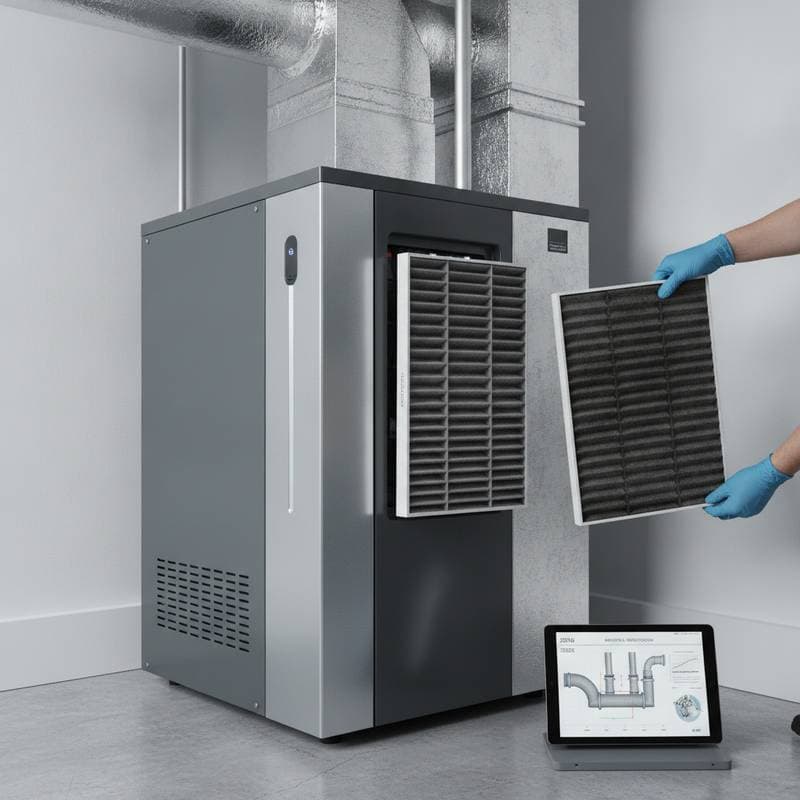
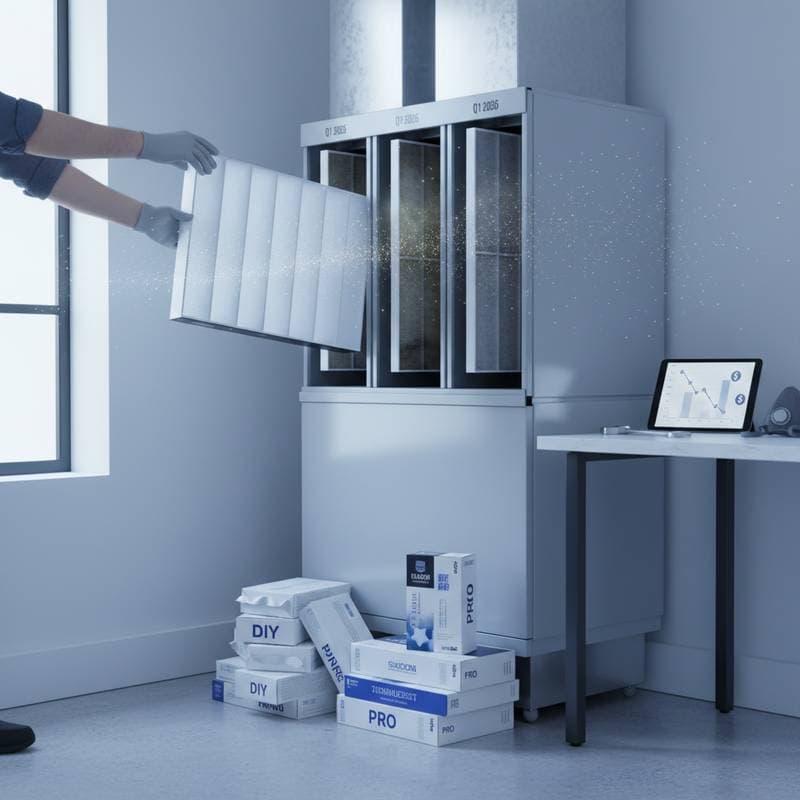
Accessible filters allow straightforward self-replacement, limited to material costs for budget-friendly upkeep. Professionals, however, deliver comprehensive benefits. They detect leaks, ensure proper sizing, and confirm compatibility with system requirements.
Data from the National Air Filtration Association indicates that more than 60 percent of professionally serviced homeowners encounter fewer breakdowns than DIY users. For intricate or multi-zone configurations, expert involvement guarantees even distribution and sustained efficiency.
Sustainability and Wellness Benefits
Opt for sustainable filters to cut environmental footprint and elevate air purity. Washable varieties reduce waste and long-term spending, enduring years with routine care despite higher upfront investment. Activated carbon types neutralize odors and toxins, ideal for homes with animals, tobacco use, or vulnerable residents.
Frequent changes capture fine particles linked to allergies and breathing difficulties. This practice bolsters both mechanical performance and personal well-being.
Implement Your Plan
A quarterly filter routine safeguards HVAC longevity and steady comfort. Opt for professional packages or personal efforts, but prioritize regularity. Use calendars, delivery subscriptions, or smart device alerts to stay on track, securing cleaner air and lower operational costs year-round.