Understanding Greywater System Costs in 2026 for Effective Water Savings
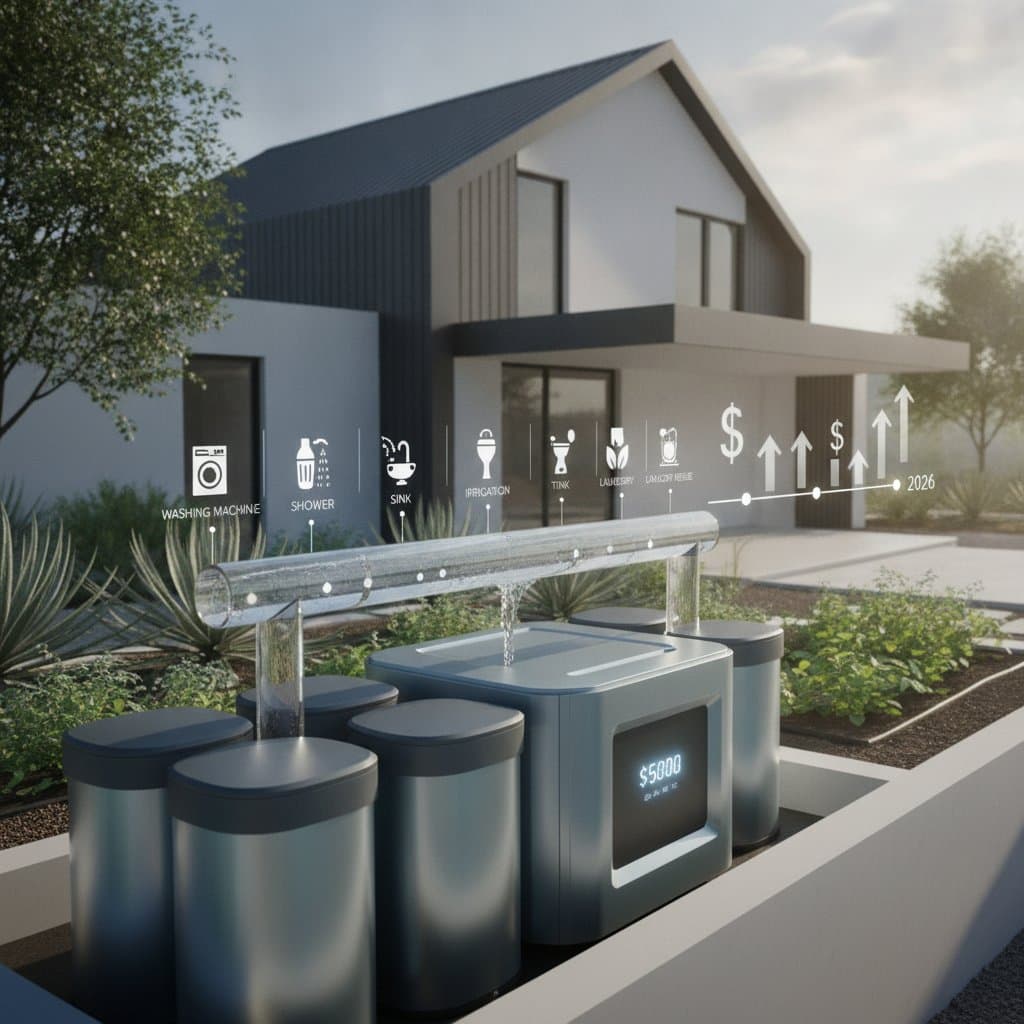
Greywater systems provide homeowners with a reliable method to reduce water bills and ease the burden on municipal water supplies. These systems capture and repurpose water from sources such as sinks, showers, and laundry for uses like irrigation or toilet flushing. Homeowners often focus on the installation, maintenance, and operational expenses to determine if such a system aligns with their needs.
Greywater refers to lightly used household wastewater, excluding toilet water. By diverting this resource, a typical household can recycle up to 50 percent of its wastewater. This approach not only conserves water but also promotes environmental sustainability through reduced freshwater demand.
Types of Greywater Systems and Their Price Ranges
Greywater systems differ in design, functionality, and cost based on the level of sophistication. Basic systems rely on gravity to direct water from a washing machine to garden areas. Materials for these setups, including pipes and fittings, typically cost between $200 and $500.
Advanced systems incorporate filtration, pumps, and storage tanks to process water from multiple household sources. These configurations treat greywater for indoor reuse, such as toilet flushing, in addition to outdoor applications. Installation for a standard home with such a system ranges from $2,000 to $5,000, depending on the scale and features.
Discussions among plumbing professionals indicate that complexity drives the price variation. A simple diverter valve installation requires minimal tools and can complete in one weekend. In contrast, a comprehensive system demands professional expertise for plumbing modifications, trenching, and electrical integrations, which elevate both time and expense.
Detailed Breakdown of Installation Expenses
Homeowners benefit from a clear understanding of cost components to budget accurately. Consider the following factors:
- Basic system components: Pipes, valves, and mulch basins for laundry-to-landscape setups start at $200, offering an entry-level option for small-scale reuse.
- Advanced equipment: Pumps, filters, and tanks add $1,000 to $3,000, enabling broader water treatment and distribution.
- Labor charges: Hiring a licensed plumber averages $1,000 to $2,500, influenced by the extent of pipe rerouting and site preparation.
- Permitting fees: Local regulations in many areas mandate permits and inspections, contributing $100 to $500 to the total.
- Site modifications: Integrating drip irrigation or landscaping adjustments can add $300 to $800, enhancing distribution efficiency.
Individuals with plumbing experience may handle portions of the installation to lower labor costs. Such DIY efforts often span 10 to 15 hours. However, compliance with building codes necessitates professional oversight in most jurisdictions, extending project timelines to several days.
Ongoing Operation and Maintenance Expenses
After installation, greywater systems demand regular attention to operate efficiently. Cleaning or replacing filters every three to six months prevents blockages and maintains water quality. Systems with pumps draw modest electricity, typically under 50 kilowatt-hours annually.
Annual maintenance budgets range from $50 to $200, scaled to system size and usage. Selecting biodegradable, low-sodium detergents minimizes residue accumulation and prolongs component life. Homeowners should track these habits to avoid premature wear.
Insights from water conservation specialists emphasize maintenance as essential for durability. A system receiving consistent care operates effectively for 10 to 15 years. Neglect, however, leads to failures like clogs or leaks within two to three years, incurring repair costs of $300 or more.
Calculating Return on Investment
The payback period for a greywater system hinges on regional water rates and household consumption. Reusing 200 gallons daily translates to 15 to 40 percent reductions in water bills, varying by location. In areas with rates exceeding $5 per 1,000 gallons, savings accelerate.
For a $3,000 investment, monthly savings of $20 to $50 yield a return in five to eight years. Drought-affected regions often see quicker recovery through utility rebates up to $1,000. Long-term benefits include resilience against water shortages and lower environmental footprints.
To maximize returns, assess current water usage via utility statements. Pair the system with water-efficient appliances for compounded savings. Track monthly bills post-installation to measure actual performance.
Steps to Maintain and Optimize Your Greywater System
Treat a greywater system as a vital plumbing asset requiring routine checks. Inspect filters monthly and clean as needed to sustain flow. Monitor irrigation zones for even distribution and adjust as plants grow.
Steer clear of antibacterial soaps or bleach, which harm soil microbes and system parts. Opt for plant-friendly cleaners to support garden health. Arrange biennial professional inspections to verify water purity and code adherence.
By following these practices, homeowners secure reliable performance and extended lifespan. This investment fosters financial savings, ecological responsibility, and a fortified home water management strategy.