Introduction to Greywater Systems
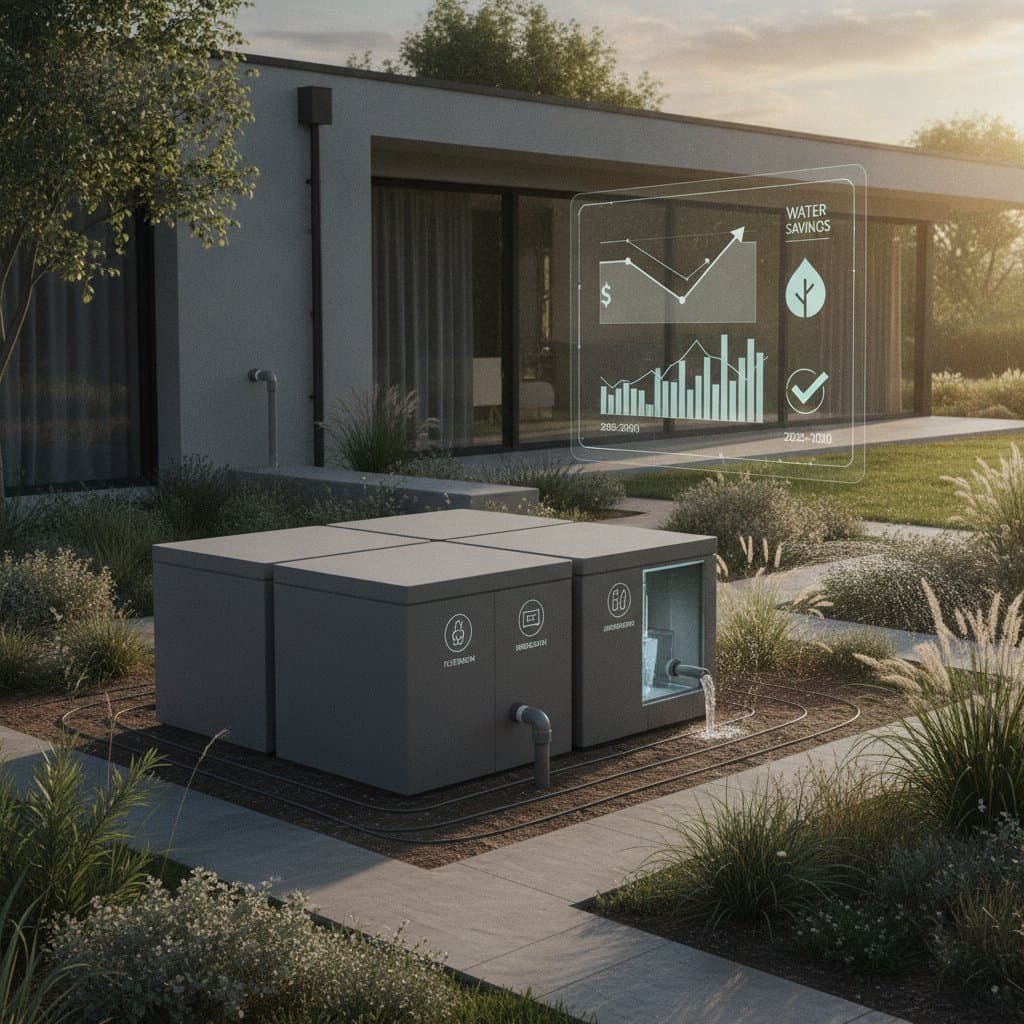
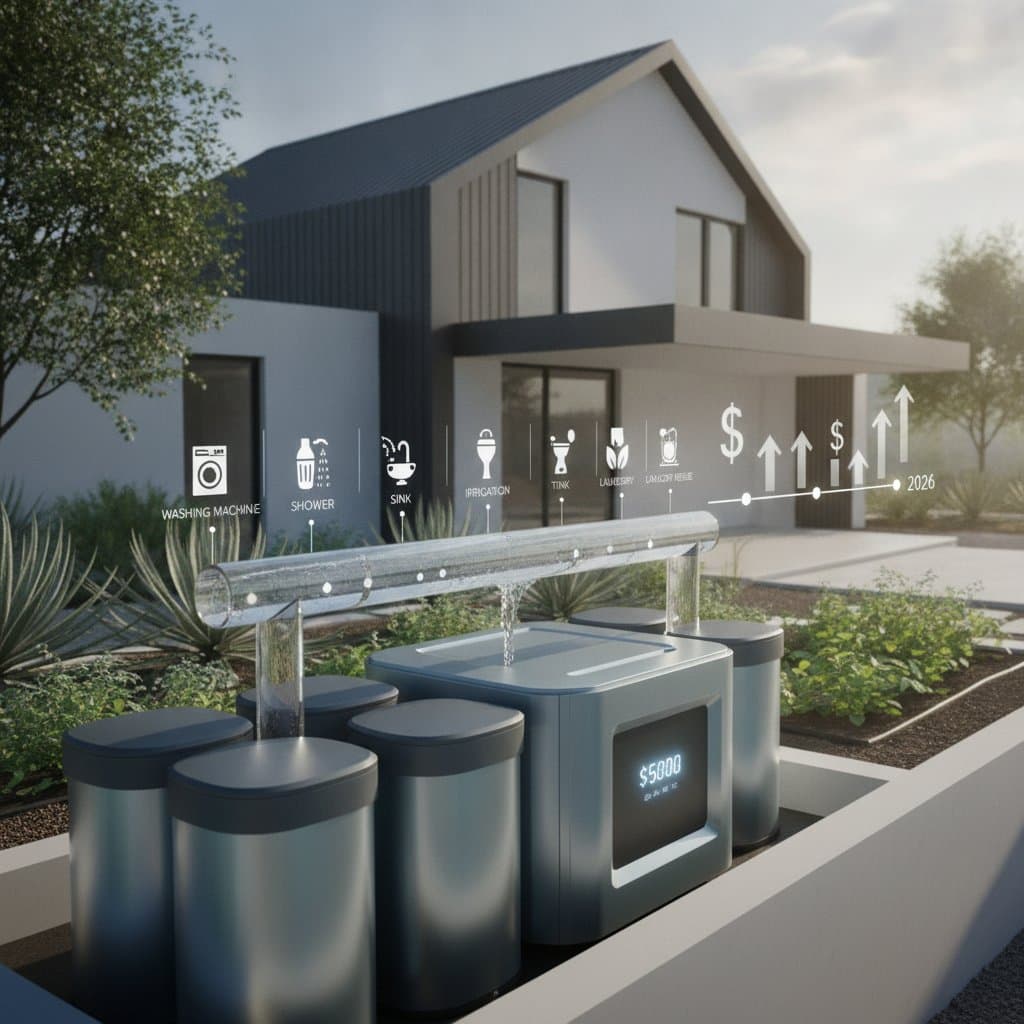
Greywater systems capture and repurpose mildly used household water from sources such as showers, sinks, and washing machines for irrigation or other non-drinking purposes. These systems address water scarcity by diverting wastewater away from sewers, thereby conserving fresh resources. Homeowners benefit from substantial reductions in water usage, often achieving savings of 25 to 40 percent on monthly bills.
Implementation requires careful planning to ensure compliance with local codes and optimal performance. Systems range from basic diverters to advanced setups with filtration and storage. The following sections outline key steps, from regulations to maintenance, to help integrate greywater effectively into residential settings.
Navigating Permits and Regulations
Before installing a greywater system, consult local building departments to understand specific requirements. Permits typically involve submitting detailed plans, including system diagrams and material specifications. Approval processes vary by region but generally emphasize health, safety, and environmental protection.
Key Permitting Steps
- Application Submission: Provide site plans, plumbing schematics, and proof of water quality compliance.
- Design Review: Authorities assess flow rates, filtration methods, and distribution plans to prevent groundwater contamination.
- Signage: Certain jurisdictions mandate labeled piping that reads "Non-potable water."
- Inspection: A final evaluation confirms proper installation and adherence to safety standards.
Residents in drought-affected or ecologically vulnerable zones may qualify for rebates from water authorities on approved installations. Verify all rules prior to acquiring components, since violations result in penalties or mandatory dismantling.
DIY Versus Professional Installation
Homeowners with plumbing experience can manage straightforward laundry-to-landscape configurations. These setups connect a diverter valve to the washing machine outlet, direct flexible lines to garden areas, and position discharge points below ground level. Completion demands one to two days for assembly and verification.
For intricate designs incorporating filtration, tanks, or toilet flushing, engage a certified plumber versed in greywater standards. Experts craft balanced systems that manage volume, purify water, and distribute it securely.
Essential Tools for DIY Projects
- PVC pipe cutter or hacksaw
- Drill equipped with a hole saw attachment
- Pipe fittings sized 1 to 1.5 inches
- Hose clamps and ball valves
- Shovel for digging trenches
- Protective gloves and safety glasses
Indicators for Professional Assistance
- Plumbing embedded in concrete or inaccessible spaces.
- Incorporation of toilet reuse or pressurized watering.
- Requirement for formal permits and oversight.
- Desire for guarantees or ongoing service.
Professional involvement increases expenses by $1,000 to $3,000 yet guarantees regulatory adherence and durability.
Avoiding Common Installation Pitfalls
Homeowners often encounter avoidable issues that compromise system effectiveness. Addressing these proactively maintains functionality and prevents expenses.
- Incorporating Kitchen Wastewater: Sinks produce grease and debris that obstruct filters.
- Excessive Plant Watering: Distribute greywater uniformly via drip lines or perforated pipes spaced 6 to 12 inches apart.
- Overlooking Cleaning Agents: Select biodegradable, low-sodium options to protect soil and vegetation.
- Neglecting Upkeep: Clean filters every three to six months.
- Improper Terrain Alignment: Gravity systems require a minimum 2 percent decline from origin to endpoint.
Early detection of such problems averts pollution risks and sustains efficiency over time.
Strategies to Minimize Expenses
Integrating cost-effective elements accelerates return on investment without sacrificing reliability. Focus on efficient planning and accessible resources.
Integrating with Existing Work
During bathroom or laundry renovations, embed greywater lines while structures remain exposed. This approach cuts labor costs by $500 to $1,000. Similar savings apply to irrigation or yard upgrades.
Leveraging Natural Flow
Position sources above usage areas to enable gravity operation. Such designs omit pumps and powered elements, lowering setup and operational outlays.
Securing Incentives
Water districts and green initiatives frequently rebate $150 to $1,000 for compliant systems. Additional perks include complimentary consultations or educational sessions.
Opting for Basic Configurations
Automated sensors and digital interfaces enhance usability but inflate prices. Manual valves suffice for modest residences.
Incorporating Recycled Components
Regulations permitting, utilize salvaged tubing, barrels, or pipes to trim material budgets. Thoroughly clean and examine all reused parts prior to use.
Ensuring Accessibility and Safety
Design greywater setups to accommodate varying mobility needs. Position controls and access panels at heights under 48 inches. Employ bold, readable labels on operational elements. For exterior points, install covered ports operable without stooping.
Prioritize precautions to mitigate hazards. Limit storage to 24 hours maximum to inhibit microbial proliferation. If holding is required, add auto-drainage or sanitization mechanisms. Prevent surface accumulation or drainage, which invites insects and smells.
Upkeep for Sustained Efficiency
Proper care extends greywater system lifespan to 15 through 25 years. Regular attention preserves output and security.
Routine Monthly and Quarterly Actions
- Examine and cleanse filters against blockages.
- Scan for drips or pooled water at discharge sites.
- Rinse conduits with fresh water to clear residues.
- Modify watering areas according to plant cycles.
Yearly Maintenance Procedures
- Swap filter elements as applicable.
- Evaluate valves, lines, and joints for deterioration.
- Measure ground hydration to verify balanced application.
A straightforward record of activities aids in monitoring and swift issue resolution.
Case Study: Successful Home Implementation
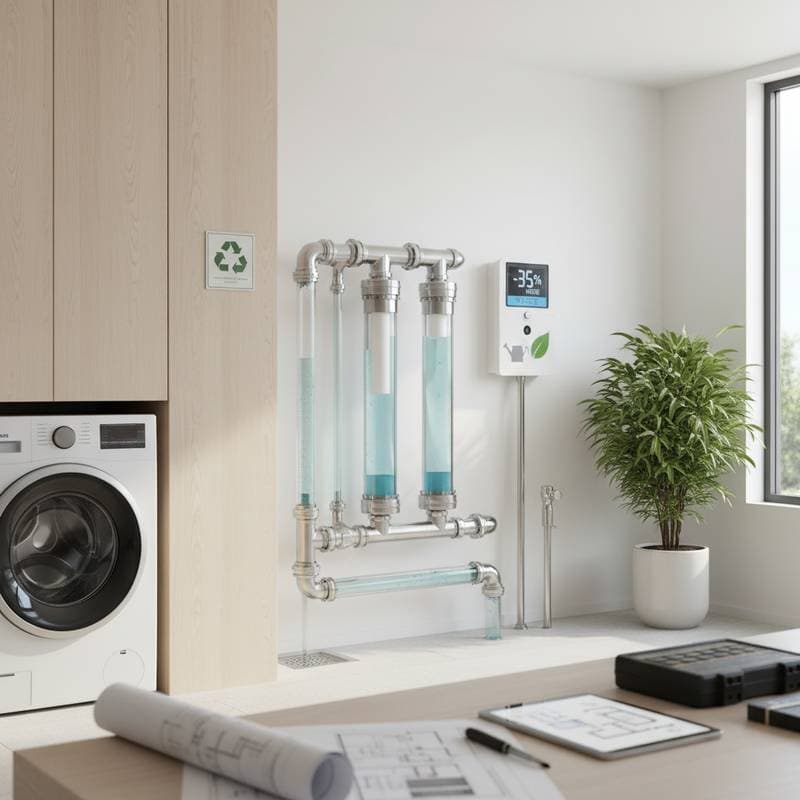
Consider a residence with two bathrooms and a modest garden. Redirecting shower and laundry water conserves 20,000 to 25,000 gallons yearly. Watering expenses decline by 35 percent, supporting lush growth amid arid periods. Initial outlay of $2,500 covered expert setup and primary purification.
Payback occurs within three years through consistent savings. Success hinges on appropriate scaling and suitable soaps, reinforced by diligent oversight.
Expert Recommendations for Optimal Outcomes
Maintain separation of greywater and blackwater lines by at least 12 inches horizontally. Employ purple PVC marked "Non-potable water" for regulatory and clarity purposes. Tailor distribution zones to vegetation categories, isolating turf and food crops.
Incorporate a bypass valve for sewer diversion during emergencies. Site exterior discharges no closer than 18 inches to structures. These practices foster compliance and superior operation.
Steps to Implement Your Greywater System
Begin by assessing household water sources and yard layout to determine suitable scale. Gather permit details and budget for materials or labor as needed. Proceed with installation, prioritizing safety and code alignment.
Test thoroughly post-setup and establish a maintenance schedule. Over time, monitor savings and adjust for peak efficiency. This investment yields ongoing financial relief and environmental contributions.