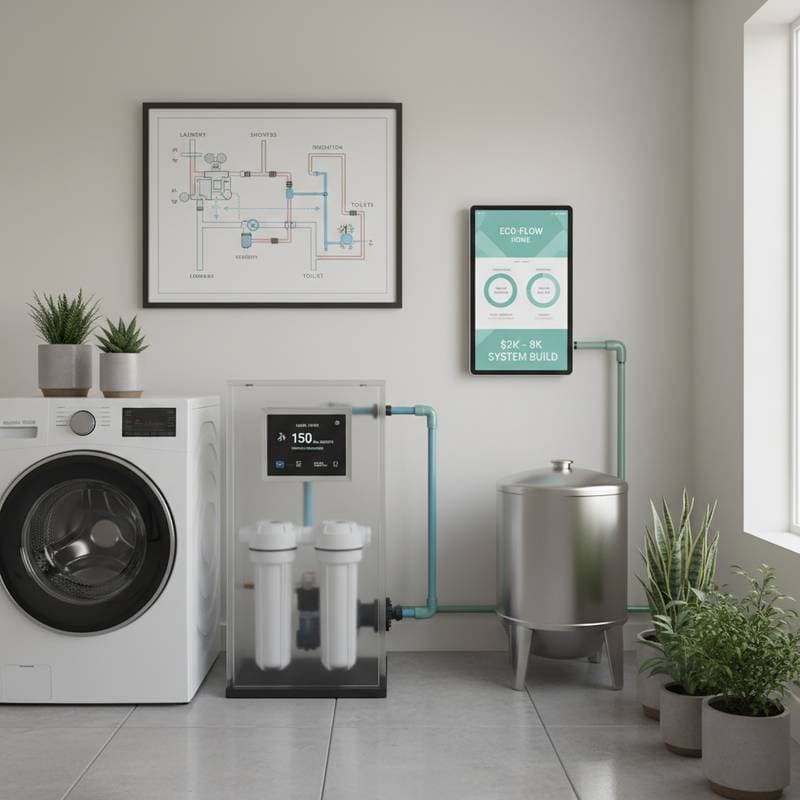
Greywater Costs and Permits: 2026 Residential Installation Guide
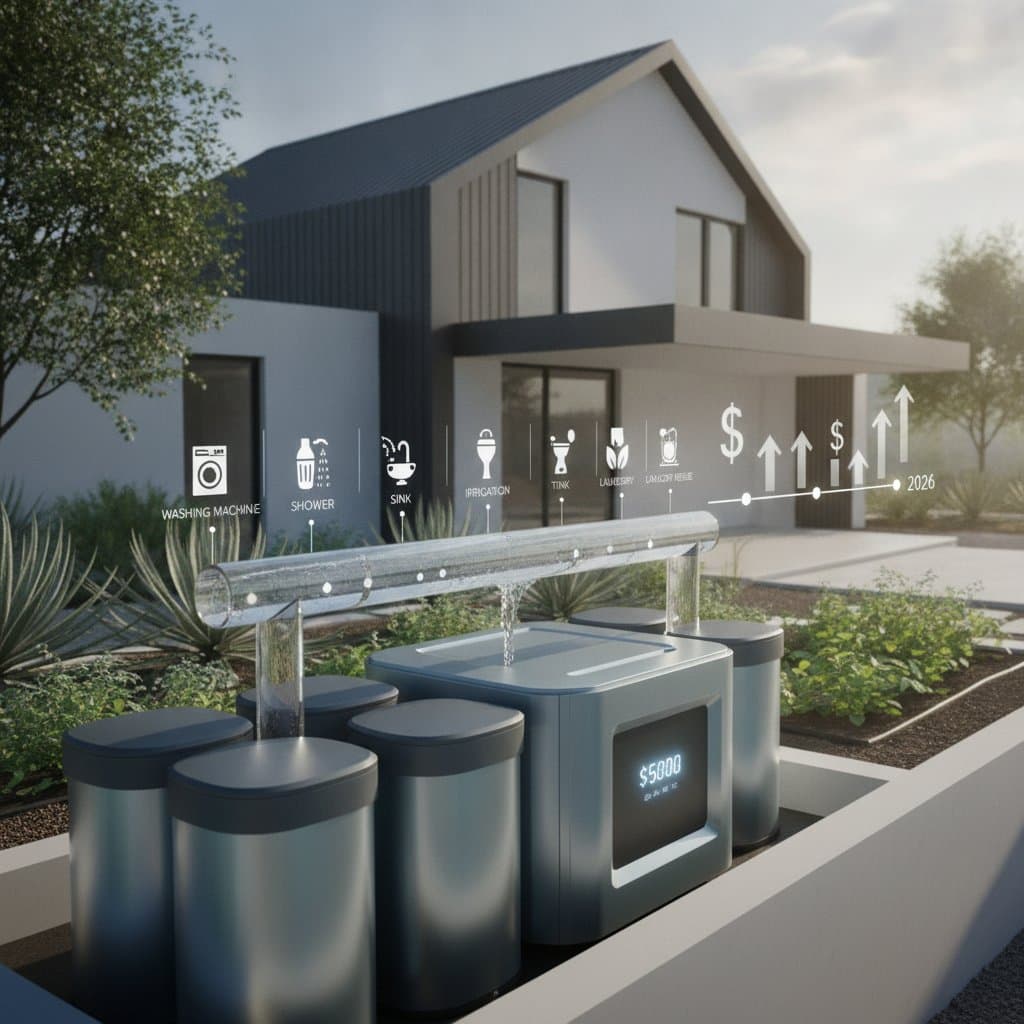
Greywater systems enable homeowners to repurpose water from sinks, showers, and laundry for tasks like irrigation or toilet flushing. Such installations lower water bills and promote sustainable living. Grasping the associated costs, permit needs, and available options allows for informed planning prior to any commitment.
Fundamentals of Greywater System Costs
Residential greywater systems typically range from $2,000 to $8,000 for full installation, influenced by the system's size and features. Small setups that route laundry water to landscaping fall toward the lower end of this spectrum. In contrast, comprehensive whole-house systems handling multiple water sources approach or exceed the upper limit.
Costs fluctuate by region. Coastal areas with rigorous water regulations often incur higher expenses due to enhanced inspections and specialized designs. Arid zones benefit from lower prices, thanks to robust installer communities and conservation rebates.
Seasonal and economic elements also play a role. Demand surges during droughts, elevating labor and supply rates. Factors like skilled labor shortages, rising plumbing material prices, and fluctuating energy costs further impact the total investment.
Common Pricing Structures
Professionals in greywater installation employ diverse pricing approaches to suit different projects:
- Hourly billing spans $80 to $150, based on the installer's qualifications and credentials.
- Flat rates suit basic configurations, such as laundry diversions, beginning at approximately $1,500.
- Project-based fees cover extensive residential setups involving numerous collection points.
- Bundled packages combine system installation with irrigation planning for landscapes.
- Annual maintenance subscriptions, at $200 to $400, handle filter changes and routine checks.
These structures provide flexibility, allowing selection of fixed costs or ongoing service arrangements.
Service Tiers and Associated Costs
Basic systems channel water from one source, like a washing machine, straight to garden areas. These options cost $1,500 to $3,000 and involve limited regulatory hurdles.
Standard configurations collect from showers, tubs, and sinks, incorporating basic filters and holding tanks. Expect to pay $3,500 to $6,000 for this level of integration.
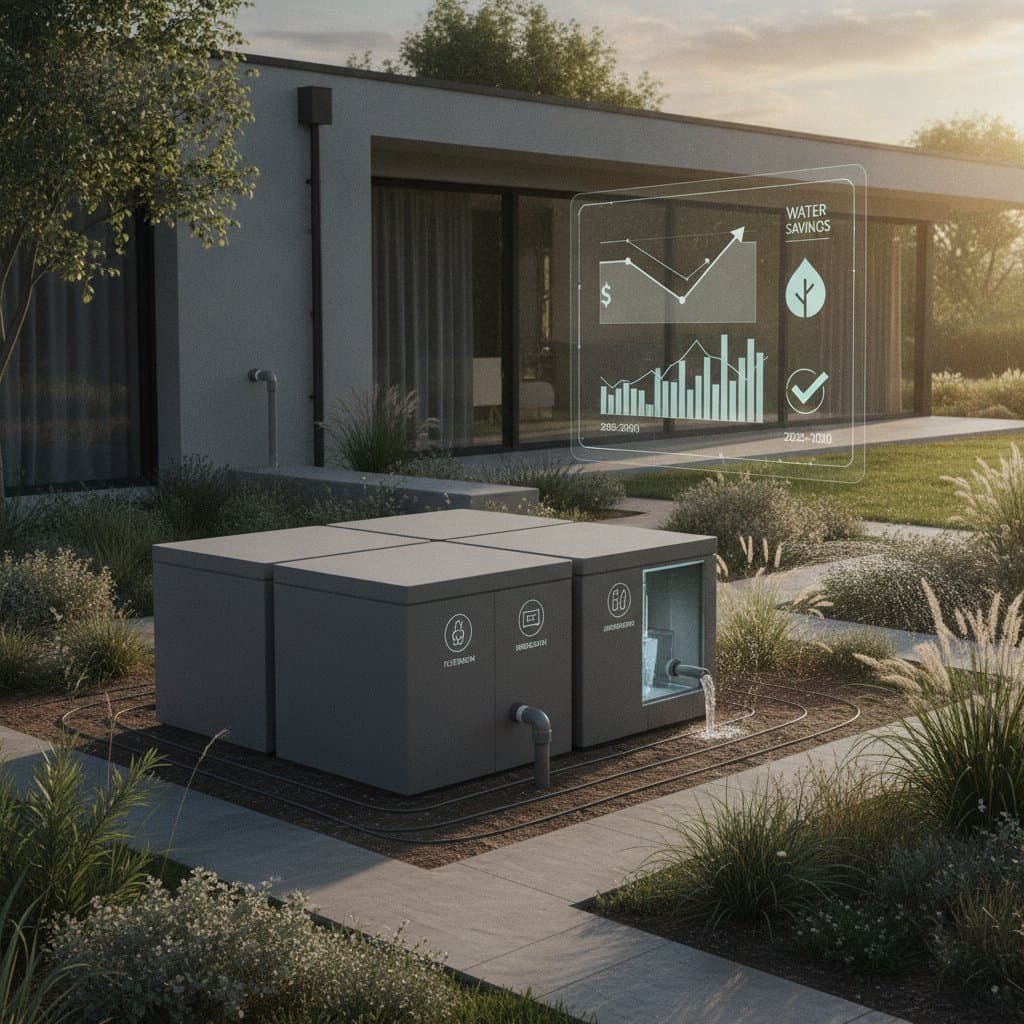
Premium versions include pumps for automation, superior filtration, and digital controls for monitoring water flow and purity. These advanced setups surpass $8,000, yet they maximize savings and dependability.
For expansive estates or eco-focused residences, custom systems that integrate with rainwater collection or advanced treatment can exceed $15,000.
Factors That Drive Greywater System Pricing
Multiple elements determine the overall expense:
- The project's scope, including the number of connected fixtures.
- Design complexity, particularly for retrofitting existing plumbing.
- Installation duration, from one day for modest systems to weeks for elaborate ones.
- Quality of materials, encompassing pumps, storage units, and filtration components.
Maria Lopez, an expert installer at EcoFlow Plumbing, notes, “Homeowners often underestimate the design time needed to meet code requirements and achieve proper drainage.” This insight underscores the importance of regulatory adherence and functional efficiency in cost calculations.
Optional Add-Ons and Extra Fees
Enhancements can increase expenses while boosting system effectiveness:
- Upgraded filters for removing smaller contaminants add $300 to $800.
- Integration with automated irrigation systems costs $500 to $1,200.
- Pre- and post-installation water testing fees amount to $150 per assessment.
- Rush services may inflate labor charges by 10 to 20 percent.
Local governments might impose inspection or processing fees of $100 to $500, varying with the installation's scale and jurisdiction-specific rules.
Navigating Permits and Regulatory Compliance
In most areas, altering drainage patterns necessitates a plumbing or environmental permit. Basic laundry diversions might require only a simple filing, whereas multifaceted systems demand thorough evaluations.
These approvals prevent contamination from blackwater and ensure safe dispersal methods. Contact your local building authority for current guidelines, and engage certified professionals versed in area-specific standards. Operating without permits risks penalties or mandatory dismantling upon discovery.
Steps to Plan and Install Your System
Start by mapping your home's water outputs and assessing irrigation demands. Obtain quotes from at least three qualified providers, verify their licenses, and ensure designs align with local ordinances.
Decide on system complexity based on finances, conservation targets, and site constraints. Effective implementations can slash landscape water use by up to 40 percent, yielding ecological and economic advantages.
Early focus on costs, approvals, and choices equips homeowners to create resilient greywater solutions that preserve water and elevate property worth over time.