Sustainable Home Water Management: Greywater Costs and Permits
Homeowners in various regions seek effective methods to minimize water waste and decrease utility expenses. Greywater systems emerge as a leading option for safely recycling household water. These systems collect lightly contaminated water from showers, sinks, and laundry, then direct it toward landscape irrigation or toilet flushing. Knowledge of costs, installation procedures, and permitting needs assists homeowners in determining if this eco-friendly enhancement suits their residence.
Functions of Greywater Systems
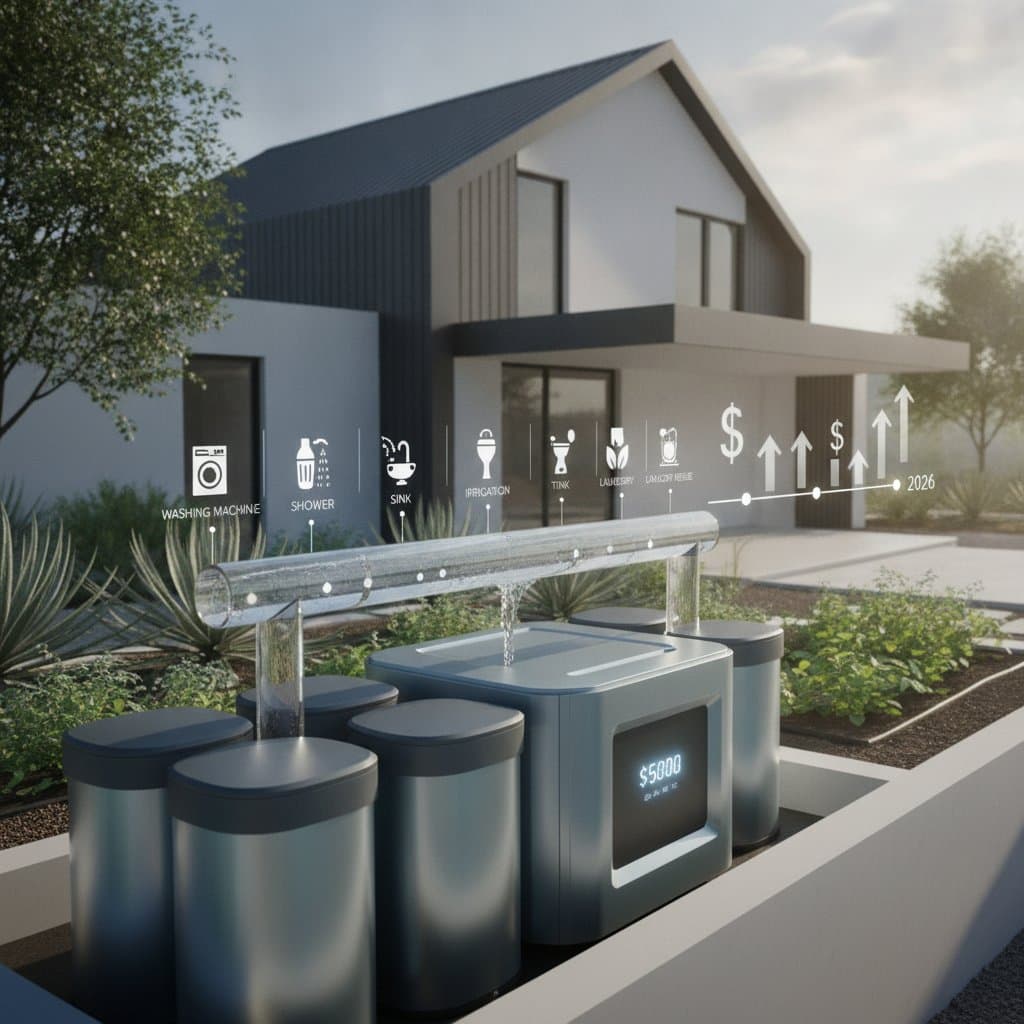
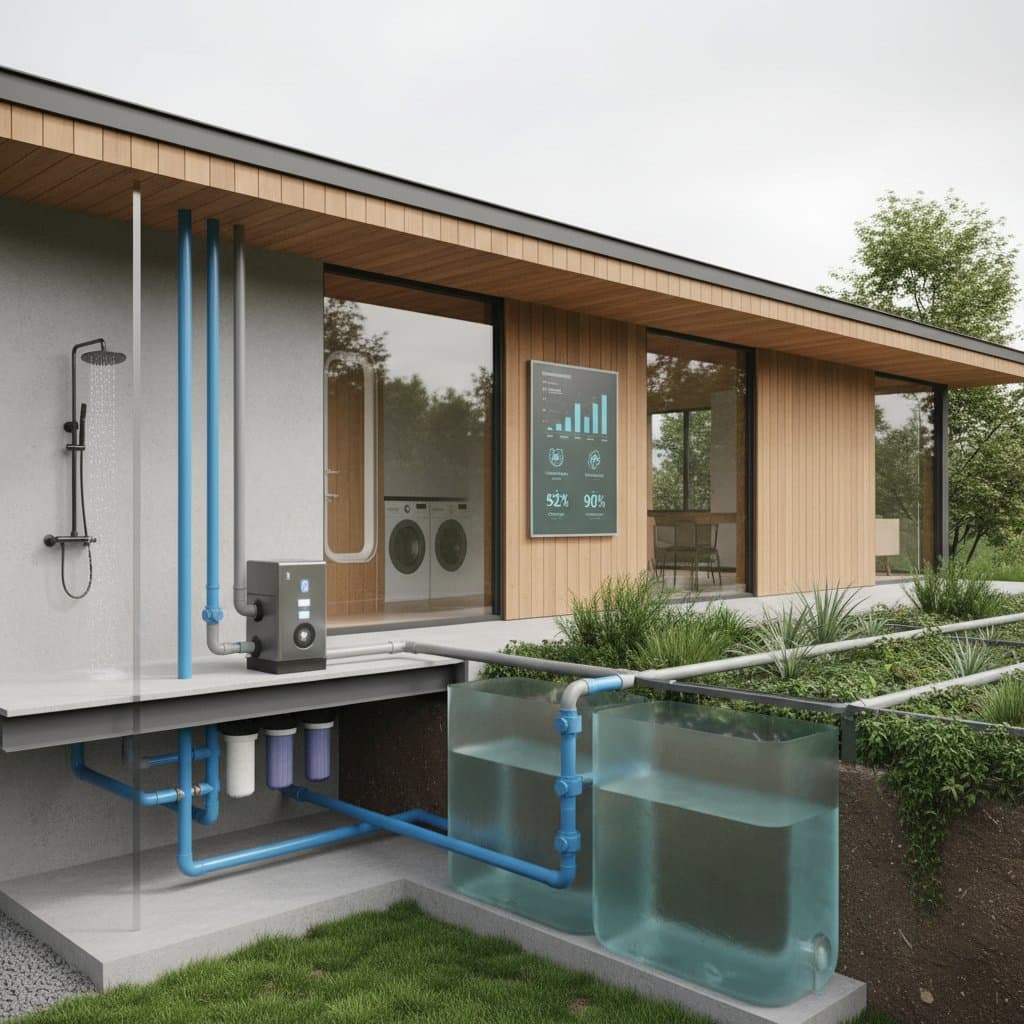
Greywater systems gather wastewater free from sewage contamination. Sources include bathroom sinks, bathtubs, and washing machines, which provide the primary volume of recyclable greywater. After filtration, this water supports outdoor irrigation or non-drinking indoor uses. Such reuse can diminish overall household water consumption by as much as 50 percent, influenced by daily habits and regional climate.
Numerous local building authorities promote greywater reuse within sustainable design guidelines. Certain jurisdictions provide incentives like rebates or streamlined permitting to encourage implementation.
Standard Costs of Greywater Systems
Expenses differ considerably according to system intricacy, existing plumbing configuration, and reuse objectives. Homeowners typically encounter these price categories:
- Basic gravity-fed systems: Simple diverter valves channel laundry or shower water straight to irrigation areas. Materials and installation generally cost between $800 and $2,500.
- Pumped or filtered systems: Properties lacking suitable gravity flow or needing filtration incorporate a compact pump and filter assembly. Prices fall between $2,500 and $6,000, based on capacity and purification standards.
- Comprehensive whole-house systems: These aggregate greywater from diverse sources, process it for both indoor and outdoor applications, and feature automated controls. Costs span $6,000 to $15,000 or higher.
Self-installation lowers initial outlays, yet requires familiarity with plumbing regulations, backflow safeguards, and soil drainage planning. Engaging certified installers guarantees adherence to codes and enduring performance.
Elements Influencing Expenses
Several factors notably impact total expenditure:
- Property configuration and plumbing accessibility. Vintage structures might demand extra access through walls or floors to redirect lines.
- Soil composition and yard features. Dense clay soils could necessitate custom drainage solutions or buried irrigation networks.
- System scale. A modest diverter for one fixture incurs far lower costs than a full multi-room integration.
- Purification and processing levels. Indoor applications require advanced filtration and sanitization, elevating expenses.
- Approval and review charges. Regional mandates may contribute hundreds of dollars to the budget.
Plumbing experts, as shared in online communities such as Reddit’s HomeImprovement forum, indicate that most owners recoup investments via water bill reductions within three to five years.
Approval Processes and Regional Rules
Securing permits proves vital for systems altering plumbing or enabling indoor water reuse. Building offices adhere to codes that designate greywater as distinct from drinking water and sewage lines.
Standard approval criteria encompass:
- A plumbing permit for fresh piping or valve additions.
- A site diagram illustrating greywater dispersal locations.
- Backflow safeguards to shield the primary supply.
- Adherence to buffer zones from wells, boundaries, and building bases.
Health agencies frequently mandate pre-use inspections. Select areas permit uncomplicated laundry-to-yard systems without comprehensive permits, provided they align with capacity and output limits. Verify local stipulations prior to commencing.
Step-by-Step Installation Guide
Greywater setup proceeds efficiently with thorough preparation. The sequence usually involves:
- Evaluation. Pinpoint sources like sinks and washers; assess pipe access.
- Planning. Select gravity or pumped delivery based on site specifics; map out absorption-friendly discharge areas.
- Approval submission. File designs and cover fees as needed.
- Pipe adjustments. Fit diverters, filters, or pumps; restore drainage to code standards.
- Delivery network. Position underground lines or link to reuse outlets.
- Verification and review. Confirm separation of drinking and reuse lines.
- Official clearance. Obtain agency endorsement for operational start.
Expert setups span one to three days, varying by project extent.
Scenarios for Professional Assistance
Independent efforts suit minor systems, particularly laundry diversions to gardens. Professionals become essential in cases involving:
- Alterations across several fixtures.
- Incorporation of pumps or filters.
- Plans for indoor applications.
- Rigorous local oversight.
Qualified plumbers or recycling experts grasp code nuances and craft inspectable designs. They extend guarantees on components and labor.
Frequent Challenges in Greywater Systems
Plumbing changes invite potential issues without upkeep. Prevalent concerns are:
- Blockages from debris like lint, hair, or residues. Routine filter maintenance averts them.
- Unpleasant smells from pooled water in reservoirs. Scheduled rinses or air circulation clears accumulations.
- Inconsistent watering due to obstructed ports. Tune valves or clear dispensers.
- Reverse flow risks from faulty diverters. Yearly checks maintain security.
Prompt resolution avoids expensive fixes. Installers often supply service agreements for sustained support.
Upkeep Strategies for Longevity
Proper attention extends greywater system durability beyond ten years. Sustain optimal function through:
- Filter and screen cleaning every few months.
- Leak and moisture checks around delivery paths.
- Avoidance of strong chemicals or bleaches in linked appliances.
- Preference for eco-friendly soaps and cleaners.
- System flushing prior to extended vacancies.
Adherents to these practices enjoy reliable operation and enduring economies.
Ecological and Economic Advantages
Greywater setups ease pressure on public water sources and curb sewage outputs. Landscape watering often dominates home consumption; greywater redirection can trim this by up to 70 percent.
Economically, gains hinge on regional rates and habits. A family facing $100 monthly water charges might save $30 to $50 post-installation. Cumulative reductions repay upfront costs while advancing resource stewardship.
Property advisors on platforms like LinkedIn observe that residences with verified efficient systems draw purchasers prioritizing green attributes, enhancing market value seamlessly.
Advancing Greywater Integration
Technology in greywater advances steadily. Forward-thinking owners incorporate sensors for monitoring reuse volumes and efficiency. Modular filters facilitate straightforward servicing and scalability.
During contractor consultations, inquire about warranties, spare parts access, and code alignment. Organized documentation eases future sales and sustains approvals.
Greywater adoption stands as a tangible step toward residential sustainability. Through deliberate design, regulatory observance, and diligent care, owners achieve cost reductions, resource preservation, and a fortified water infrastructure balancing utility and ecology.