Fall HVAC Filter Schedule: Top Types for Clean Air
Cooler temperatures signal increased reliance on heating systems for many homeowners. Establishing a regular HVAC filter schedule ranks among the essential preparation steps. Clean filters enhance indoor air quality, improve energy efficiency, and prolong the lifespan of furnaces or air handlers. Knowledge of replacement timing, selection criteria, and maintenance approaches significantly influences comfort levels throughout the fall.
Understanding Fall HVAC Filter Costs
Filter replacement or upgrade represents a cost-effective maintenance practice. Expenses fluctuate based on dimensions, material, and efficiency levels, yet they remain accessible relative to broader HVAC servicing.
Typical Filter Costs
- Basic fiberglass filters: Priced from $2 to $5 each, these endure approximately one month.
- Pleated filters: Cost $10 to $20, varying by pleat depth and manufacturer; they function for two to three months.
- Electrostatic filters: Initial investment ranges from $20 to $40, with reusability through washing extending value.
- HEPA filters: From $30 to $60, these excel at trapping fine particles, suiting homes with allergy concerns.
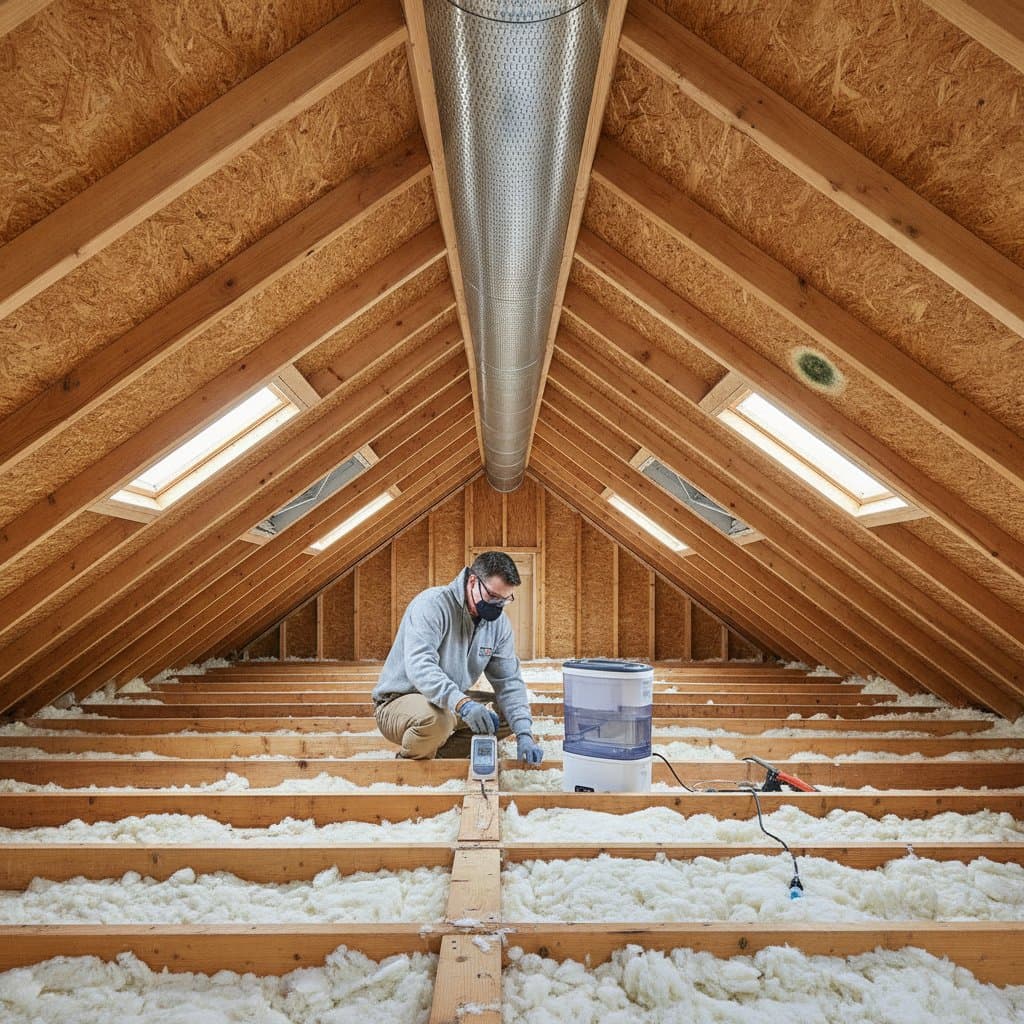
Professional services incorporating filter changes often exceed $100 per visit. Such appointments typically encompass system evaluations, airflow assessments, and debris removal, mitigating long-term repair expenses while optimizing seasonal operation.
Factors Affecting Filter Expenses
- Efficiency rating: Elevated MERV values trap finer particles at increased cost.
- System dimensions: Expansive units demand larger or additional filters.
- Air quality demands: Residences with animals, tobacco use, or allergic individuals necessitate premium options.
- Operational intensity: Frequent system activation accelerates clogging.
- Regional environment: Elevated dust, pollen, or moisture hastens filter saturation.
Homeowners maintain expense control through a seasonal fall filter schedule, involving monthly inspections and timely replacements.
When DIY Saves Money
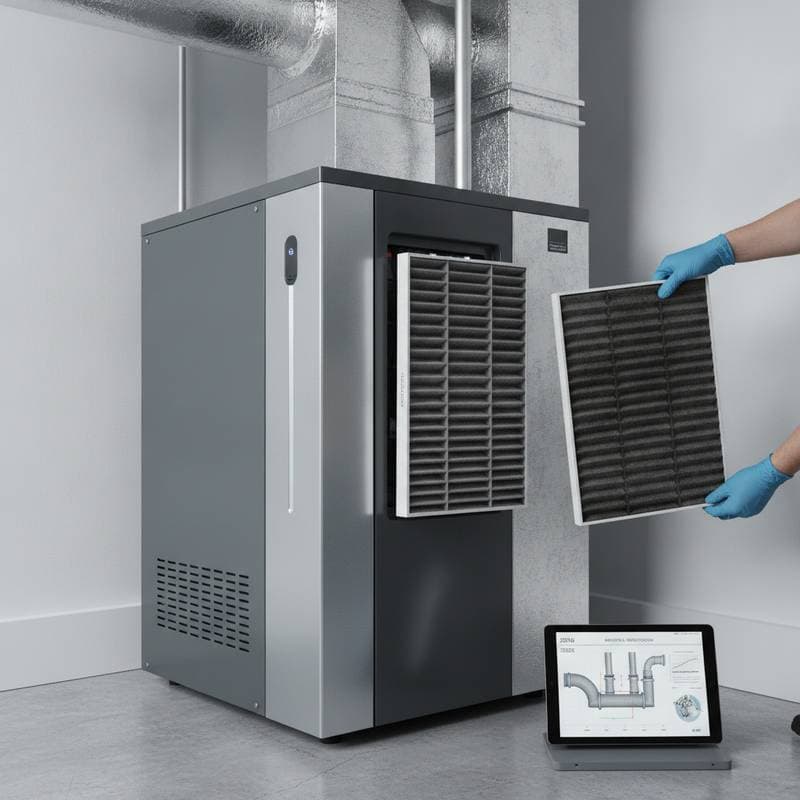
Self-replacement proves straightforward, minimizing labor charges. Acquire compatible filters and adhere to unit guidelines. For inaccessible setups or health sensitivities, professional intervention guarantees safety and precision.
DIY vs Professional: Making the Right Choice
Selection between self-maintenance and expert assistance hinges on expertise, availability, and system intricacy.
DIY Filter Replacement
Advantages:
- Minimal expense and rapid execution
- Flexibility for routine monthly or bimonthly evaluations
- Readily available supplies from local retailers
Disadvantages:
- Demands familiarity with sizing and fitting
- Risk of misalignment causing leaks
- Potential to miss ancillary system concerns
Tools You May Need:
- Screwdriver or access key for panels
- Soft brush or vacuum attachment for compartment cleaning
- Protective gloves for handling soiled filters
Professional Filter Service
Benefits:
- Comprehensive system diagnostics beyond filtration
- Verified placement and airflow optimization
- Inclusion of duct reviews and balance adjustments
Drawbacks:
- Elevated fees relative to self-service
- Possible delays in peak periods
Complex configurations with numerous filters or elaborate ducts justify expert involvement. Standard residential units suit DIY efforts, provided adherence to schedules and correct procedures.
Your HVAC Filter Questions, Answered
Industry professionals address frequent inquiries.
How often should I change my HVAC filter in the fall?
Replacement every one to three months suits most homes. Fall heating demands warrant monthly verifications.
What is a MERV rating, and which one should I choose?
MERV denotes Minimum Efficiency Reporting Value, gauging particle capture. Residential applications favor ratings of 8 to 13 for balanced filtration and airflow.
Can a dirty filter damage my HVAC system?
Affirmative. Obstructed filters impede circulation, overworking components. Consequences include escalated utility costs, inconsistent temperatures, and harm to motors or exchangers.
Are higher MERV filters always better?
No. Excessive ratings may hinder airflow in incompatible systems. Consult manufacturer specifications prior to selection.
What are the best filter types for fall allergies?
Pleated or HEPA varieties effectively seize pollen, dander, and dust prevalent in autumn. They foster allergen reduction and healthier interiors.
Can I vacuum and reuse disposable filters?
Negative. Such actions compromise efficacy. Washable electrostatic models alone support reuse.
Do I need a professional to check my filters?
Not routinely. Perform monthly self-inspections. Seek experts for diminished flow, scents, or noises.
How do I know my filter is installed correctly?
Align the airflow arrow with unit direction. Incorrect orientation diminishes output and stresses equipment.
Should I change filters before or after the heating season starts?
Pre-season replacement optimizes initial performance. Mid-season reviews sustain quality into winter.
What signs indicate that my filter is overdue for replacement?
- Visible dust on outlets or surfaces
- Weak circulation or temperature variances
- Rising energy expenses
- Lingering smells
Are reusable filters worth the investment?
They yield savings with diligent cleaning. Effectiveness depends on upkeep.
Can filter changes improve energy efficiency?
Yes. Unimpeded filters ease motor load, enhancing operational economy.
Do I need different filters for heating and cooling?
Standard units employ uniform filters annually. Prioritize cleanliness across modes.
How do pet owners adjust their filter schedule?
Monthly checks prove essential. Fur and dander accelerate obstruction.
How to Decide: Your Step-by-Step Guide
Step 1: Assess Your Home and Lifestyle
Evaluate occupancy, animal presence, and allergen vulnerabilities. Active or pet-filled environments necessitate accelerated replacements.
Step 2: Evaluate Your HVAC System
Inspect filter positioning and ease of access. Simple designs support self-care; intricate ones benefit from specialists.
Step 3: Calculate True Costs
Weigh bulk purchase savings against service fees. Factor in time, ease, and efficiency gains.
Step 4: Assess Risks and Comfort
Uncertainty in sizing or fitting may negate DIY benefits. Prioritize air purity and ease.
Step 5: Make Your Fall Schedule
Set monthly reminders for inspections. Schedule expert reviews seasonally if desired.
Preparing for Your HVAC Filter Project
Research and Planning
Identify required dimensions and MERV via existing filter or compartment labels.
Gathering Materials
Procure two or more spares. Prepare a vacuum or cloth for area dusting.
Site Preparation
Deactivate the system prior to filter removal to avoid contaminant spread.
Timing and Frequency
Align checks with fall onset, every four weeks, replacing upon visible soiling.
Budgeting Tips
Purchase multiples during sales. Date packages for tracking.
Sustaining Air Quality Through Fall
Adherence to a fall HVAC filter schedule delivers pure air and reliable function. Consistent efforts, whether self-directed or assisted, avert repairs, curb irritants, and ensure cozy conditions amid declining temperatures.