The Fall Tune-Up That Prevents Winter Heating Woes
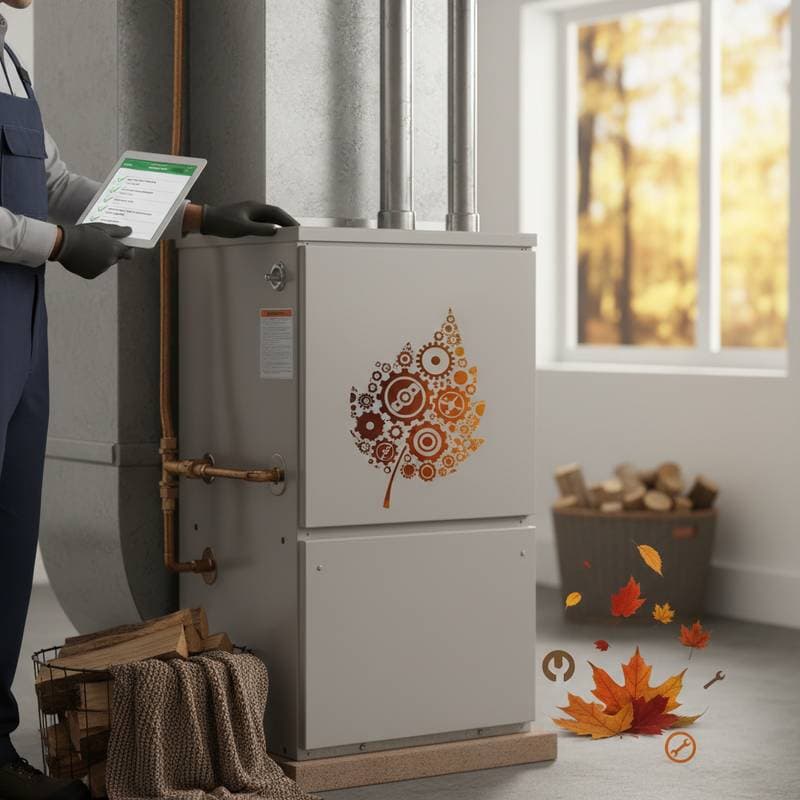
When cold weather arrives, few things prove more frustrating than a furnace that fails to keep pace. Many homeowners encounter heating issues only after the first deep chill strikes, resulting in emergency service calls, elevated repair costs, and uncomfortable days while awaiting parts. A fall HVAC tune-up provides a straightforward and cost-effective solution to sidestep these challenges. This maintenance prepares the system for intensive operation, enhances energy efficiency, and prolongs furnace longevity.
This seasonal procedure extends beyond mere recommendation. Professionals in the industry confirm that a properly tuned system lowers heating expenses and averts up to half of the prevalent furnace failures documented during winter. Such preparation ensures reliable performance when temperatures plummet.
Key Benefits of a Fall HVAC Tune-Up
1. Improved Energy Efficiency
A thoroughly cleaned and calibrated heating system requires less fuel or electricity to generate equivalent warmth. Data from the Energy Information Administration indicates potential savings of 10 to 20 percent on heating bills through consistent upkeep. Accumulated dust, soot, and slight mechanical deviations create unseen resistance, compelling the furnace to labor excessively. Technicians eliminate these obstacles during a tune-up, enabling the system to operate at peak efficiency.
2. Longer Equipment Life
Furnaces undergoing yearly maintenance experience reduced risk of early deterioration. Service experts apply lubrication to moving components, secure electrical connections, and verify safety features. These actions minimize operational strain, allowing the unit to endure additional heating seasons without necessitating replacement.
3. Fewer Breakdowns
The majority of winter heating crises arise from overlooked maintenance. Issues such as a fractured heat exchanger, malfunctioning ignitor, or obstructed filter can halt operations and leave a residence without warmth. Regular examinations identify these concerns in advance, frequently resolving them for a small portion of the expense associated with mid-season interventions.
4. Better Indoor Air Quality
Over time, dust, pollen, and debris gather within ducts and filters. Upon reactivation following inactivity, these contaminants disperse throughout the living spaces. Service includes filter replacement, vent cleaning, and duct seal verification, which elevates air purity and eases respiration for individuals sensitive to allergens.
DIY Steps Before the Technician Arrives
Although professional attention remains essential, homeowners can undertake basic preparations to optimize the system prior to inspection. These measures enhance performance and facilitate the technician's work.
Replace or Clean the Filter
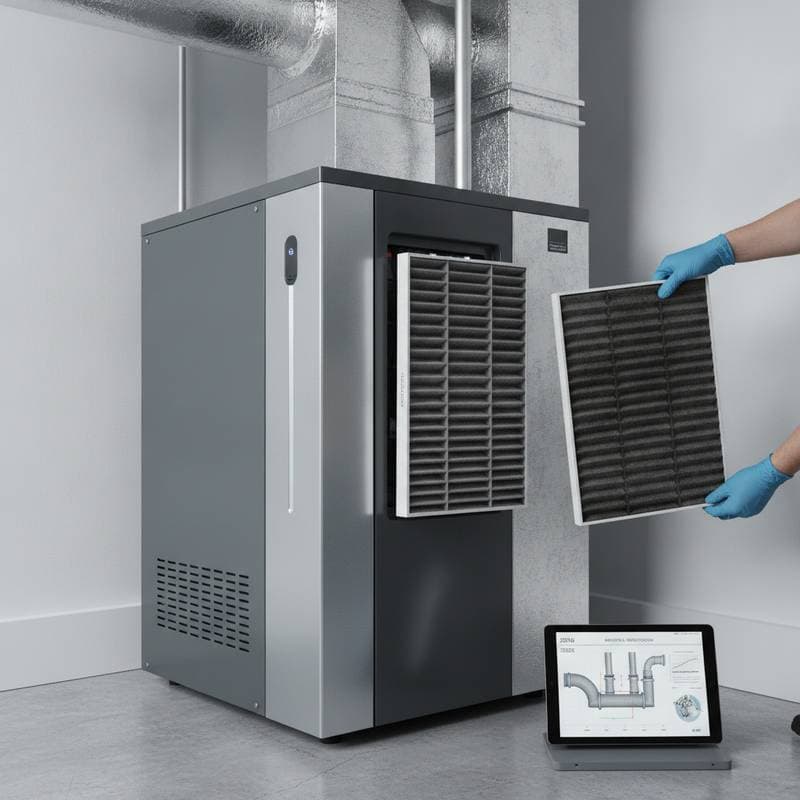
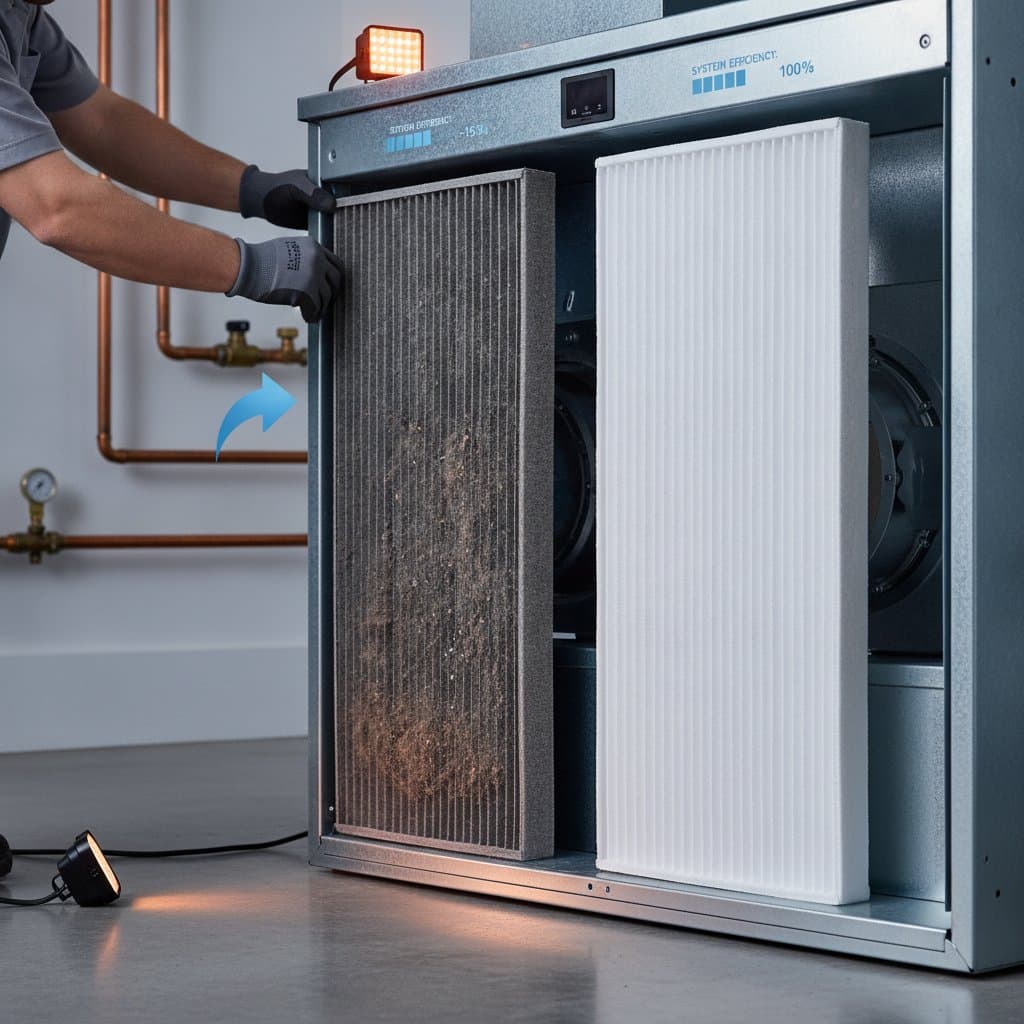
Examine the furnace filter first. If it appears dusty or discolored, install a fresh one. A pristine filter promotes unrestricted airflow and shields internal parts from contaminants. This adjustment yields immediate improvements in circulation and energy consumption.
Clear the Area Around the Furnace
Relocate any storage items, cleaning materials, or tools obstructing airflow or access. Ample space allows the technician to conduct safe and thorough evaluations.
Check Vents and Registers
Inspect every room to confirm that supply vents and return registers remain unobstructed and fully open. Blockages from furniture, carpets, or curtains lead to imbalanced temperatures and increased burden on the blower.
Inspect the Thermostat
Activate the heating function momentarily to verify proper signaling to the furnace. Should the unit fail to respond or the display remain inactive, install new batteries in advance of the service visit.
Cost, Time, and Difficulty
Professional fall tune-ups generally range from 100 to 200 dollars, varying by location and equipment specifications. This expenditure often recoups through diminished energy demands and averted repairs. Numerous HVAC firms provide value-added plans encompassing both fall and spring servicing for comprehensive climate control.
A standard appointment lasts approximately one hour. Independent tasks like filter changes and vent checks require under 30 minutes for most individuals. Electrical assessments, burner calibrations, or gas line adjustments demand expertise from certified professionals.
Difficulty for typical homeowners: Easy for filter and vent maintenance; moderate for thermostat adjustments; advanced for internal cleaning or diagnostic procedures.
How to Choose the Right HVAC Service Provider
The selection of a competent contractor guarantees superior outcomes and sustained dependability. Prioritize firms that:
- Hold valid licenses and insurance for residential HVAC services.
- Supply comprehensive checklists and itemized proposals.
- Utilize technicians accredited by organizations like NATE or EPA.
- Garner positive feedback on sites such as Google and HomeAdvisor.
- Extend availability for urgent interventions.
Avoid decisions driven solely by cost. Seasoned experts often uncover nuanced issues overlooked by novices, thereby forestalling expensive disruptions down the line.
Maintenance Tips to Keep Your System Running Smoothly
Following the fall tune-up, adopt these practices to sustain optimal function through winter.
- Exchange filters every one to three months.
- Ensure vents stay open and free of debris for even distribution.
- Monitor for unusual sounds and arrange follow-up service upon detection.
- Vacuum the furnace surroundings periodically to control dust accumulation.
- Verify thermostat functionality routinely and minimize abrupt setting changes.
- Address drafts at doors and windows to lessen overall system workload.
These routines foster greater comfort while curbing excessive component wear.
Building a Lasting Maintenance Routine
A single furnace tune-up serves as an initial step, not a complete resolution. Integrate it into a perpetual care strategy that safeguards both comfort and finances. Annual fall scheduling establishes a documented history of diligence, potentially adding up to ten years to equipment durability. This approach upholds warranty terms and stabilizes utility expenses amid aging hardware.
Homeowners embracing regular upkeep frequently note reduced emergency visits and more consistent billing. The assurance of a prepared system against harsh weather proves invaluable. Schedule service promptly if recent attention has lapsed; contact a reputable local or certified provider to secure warmth, safety, and efficiency throughout the season.