Fall Filter Swaps Cut HVAC Bills 15 Percent
As autumn arrives, cooler weather prompts homeowners to turn on heating systems more frequently. This seasonal shift increases the importance of maintaining HVAC equipment for optimal performance. Swapping out air filters in the fall ensures efficient operation, reduces energy consumption, and improves indoor air quality.
HVAC systems rely on filters to capture dust, pollen, and other particles from the air. Dirty filters restrict airflow, forcing the system to work harder and consume more energy. Regular replacement can lower utility bills by up to 15 percent, according to energy efficiency studies.
Understanding HVAC Filter Types
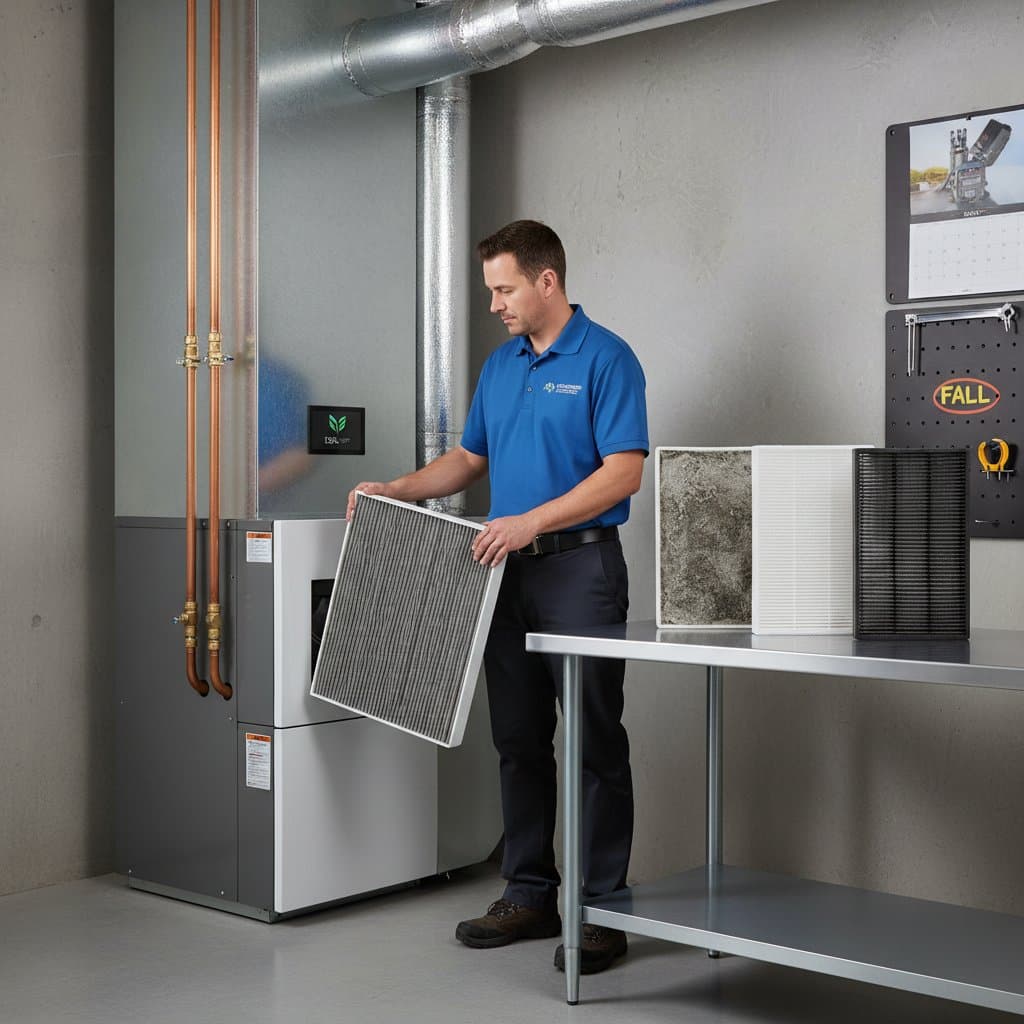
Homeowners encounter several types of HVAC filters, each suited to different needs and system requirements. Pleated filters offer higher efficiency by trapping smaller particles compared to basic fiberglass models. Electrostatic filters use static electricity to attract allergens, making them ideal for households with sensitive residents.
Selecting the right filter involves checking the system's manual for size and MERV rating. The Minimum Efficiency Reporting Value indicates filtration capability, with higher numbers capturing finer particles. For standard homes, a MERV 8 to 11 filter balances performance and airflow without straining the blower motor.
High-efficiency filters, such as those with MERV 13 or above, excel in removing viruses and smoke. However, they demand more powerful fans, so compatibility with the existing HVAC unit remains essential. Consult a professional if uncertainty arises about the best option.
Recommended Replacement Frequency
Filter lifespan varies based on usage, environment, and type. Fiberglass filters require changes every one to three months due to their low capacity. Pleated and electrostatic models last two to three months under normal conditions.
In homes with pets, high dust levels, or multiple occupants, replace filters monthly to maintain efficiency. During fall, when heating cycles increase, inspect filters biweekly. Visual checks reveal clogs: if the filter appears gray or restricts light passage, immediate replacement prevents performance issues.
Creating a Fall Maintenance Schedule
Fall presents an ideal window for proactive HVAC care before winter demands peak. Begin by marking the calendar for initial swaps in early September. This timing aligns with the start of heating season and allows the system to operate cleanly from the outset.
Follow a quarterly schedule: swap in September, December, March, and June. Adjust for local climate; in milder regions, biannual changes suffice. Track replacements in a home maintenance log to ensure consistency and avoid oversight.
Incorporate additional checks during fall swaps. Clean vents and registers to enhance airflow. Test the thermostat for accuracy, as faulty readings lead to uneven heating and higher costs.
Step-by-Step Guide to Swapping Filters
-
Locate the Filter Compartment: Most HVAC units house filters in the return air duct or near the air handler. Refer to the unit's access panel, often secured by clips or screws.
-
Turn Off the System: Switch off power at the thermostat and breaker to ensure safety during handling.
-
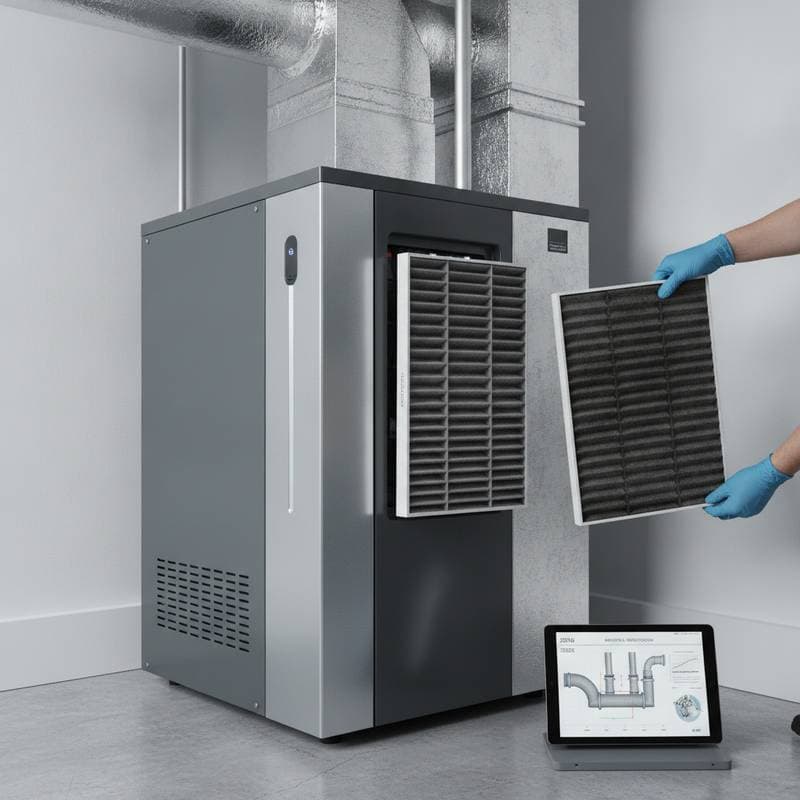
Remove the Old Filter: Slide out the filter, noting the airflow direction indicated by arrows. Dispose of it properly, as it contains accumulated debris.
-
Inspect for Damage: Check the compartment for dirt buildup or damage. Wipe surfaces clean with a dry cloth if needed.
-
Install the New Filter: Insert the replacement, aligning arrows with airflow direction. Ensure a snug fit to prevent air leaks.
-
Restore Power and Test: Turn the system back on and run it briefly to verify smooth operation. Listen for unusual noises that might signal issues.
This process takes less than 15 minutes and requires no special tools. Homeowners save on professional service fees through these simple actions.
Benefits of Timely Filter Maintenance
Regular swaps extend HVAC lifespan by reducing strain on components. Clean filters prevent debris from reaching coils and blowers, averting breakdowns that cost hundreds in repairs. Energy savings accumulate over time; a 15 percent reduction translates to noticeable differences in monthly bills.
Improved air quality follows as a key advantage. Fall brings leaves, mold spores, and allergens indoors via open windows. Fresh filters capture these contaminants, promoting healthier breathing environments for families.
Systems run quieter with unobstructed airflow, enhancing home comfort. Homeowners report fewer dust accumulations on surfaces, simplifying cleaning routines.
Avoiding Common Pitfalls
Neglecting filters leads to overlooked problems. Overly restrictive filters cause insufficient airflow, potentially freezing coils in cold weather. Balance filtration needs with system capacity to sidestep this issue.
Purchasing incorrect sizes results in poor seals and reduced efficiency. Measure the old filter precisely before buying replacements. Stock extras during fall sales to maintain readiness.
Ignoring manufacturer guidelines risks warranty voidance. Adhere to recommended types and schedules outlined in the HVAC documentation.
Long-Term Strategies for Efficiency
Integrate filter swaps into broader energy-saving practices. Seal ductwork leaks to minimize conditioned air loss. Program the thermostat for setbacks when the home stands empty, further cutting costs.
Annual professional inspections complement DIY efforts. Technicians detect issues early, ensuring the system handles winter loads effectively.
Invest in smart thermostats for automated reminders on maintenance tasks. These devices optimize runtime based on habits, amplifying savings from clean filters.
Maximizing Comfort and Savings This Season
Fall filter swaps represent a straightforward investment in home efficiency. Homeowners gain control over energy use, air quality, and repair avoidance through consistent care. Implement these steps now to enjoy warmer, cleaner air without inflated bills throughout the cooler months.
By prioritizing maintenance, systems perform reliably, supporting peaceful transitions into winter. The effort yields immediate returns in comfort and cost reductions, making every swap worthwhile.