
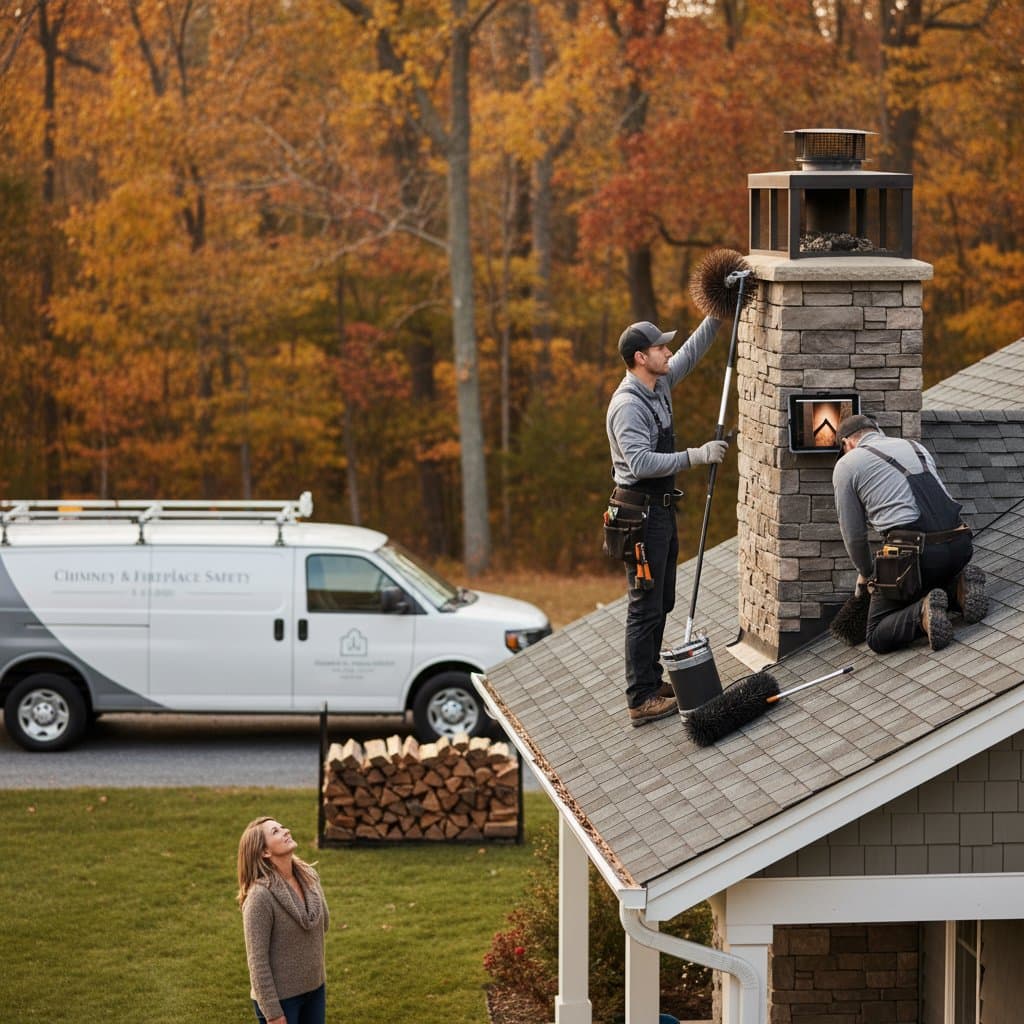
Fall Chimney Checks: Timing, Costs, and Safety
As temperatures drop and fireplaces draw families together for evenings of warmth, chimney maintenance rises in priority on the home care agenda. A comprehensive inspection and cleaning prior to the heating season mitigates fire risks, enhances heating performance, and confirms the safety of the fireplace system. Homeowners often weigh the optimal timing, expected expenses, and the decision between self-managed tasks or professional assistance. This guide details essential information to facilitate a secure and economical chimney evaluation this fall.
Understanding Chimney Check Costs
The expense of a chimney inspection or cleaning varies based on the service type, chimney condition, and any required repairs. Knowledge of pricing components enables homeowners to budget effectively and prevent unexpected charges.
DIY Costs
Individuals opting for a do-it-yourself method encounter primary costs in tools and supplies. A fundamental chimney brush paired with extension rods typically ranges from 50 to 150 dollars. Protective equipment, including gloves, masks, goggles, and a durable drop cloth, adds another 30 to 60 dollars. A specialized vacuum for soot and ash may require an investment of 100 to 200 dollars.
Although DIY appears economical initially, it demands significant time, physical effort, and tolerance for dirt. Without prior knowledge or appropriate equipment, incomplete removal of creosote—a flammable residue that accumulates within chimney interiors—poses elevated fire dangers. Overlooking minor accumulations heightens these risks substantially.
Professional Chimney Service Costs
Certified chimney sweeps generally charge 150 to 400 dollars for routine cleaning and inspection. Fees fluctuate with chimney height, access difficulty, creosote levels, and local labor standards.
Should the specialist identify structural issues or obstructions, additional repair expenses arise. Basic tasks such as mortar repointing or cap installation cost 100 to 300 dollars, whereas extensive work like flue relining or reconstruction exceeds 1,000 dollars.
Certain providers present bundled services encompassing inspection, cleaning, and minor upkeep, which prove more affordable than individual appointments.
Factors That Affect Pricing
Multiple elements shape the total cost:
- Chimney construction: Masonry types demand higher service fees than metal prefabricated flues owing to their intricate design.
- Usage intensity: Frequent winter operation leads to greater soot deposition and necessitates intensive cleaning.
- Access challenges: Elevated or sloped roofs in multi-level residences require extra safety measures and manpower.
- Maintenance history: Consistent care results in simpler servicing and reduced repair needs.
- Location specifics: Regional variations in labor and waste disposal influence overall pricing.
When DIY Might Cost More
DIY efforts conserve labor fees, yet errors often generate substantial future expenses. Failure to detect concealed fractures or residual debris may cause smoke infiltration or ignite chimney fires. Subsequent damage from flawed techniques frequently inflates repair invoices. For the majority of households, annual professional intervention represents the most secure and financially prudent long-term strategy.
DIY vs Professional: Making the Right Choice
The selection between personal execution and expert involvement hinges on skill level, personal assurance, and time availability. Each approach presents distinct merits and limitations.
Benefits of DIY Chimney Maintenance
- Reduced initial outlay for essential cleaning implements.
- Practical education regarding the fireplace system's state.
- Adaptable timing to accommodate individual schedules.
Drawbacks of DIY Work
- Elevated hazards involving elevations, particulate inhalation, and fire threats.
- Absence of advanced detection devices for fissures or instability.
- Lack of official validation, which certain insurers mandate post-incident.
DIY suits owners of single-level dwellings with minimal fireplace activity and foundational competencies. Nonetheless, annual expert review remains advisable regardless.
Benefits of Hiring a Professional
- Comprehensive evaluation employing endoscopic cameras and analytical instruments.
- Effective extraction of perilous creosote layers beyond basic tool capabilities.
- Recorded assessments valuable for insurance claims and property transactions.
- Informed guidance on upkeep routines, safety enhancements, and remedial actions.
Trained sweeps possess expertise to spot early indicators like water penetration, liner deterioration, or ventilation deficiencies. Such proactive identification averts extensive structural harm and associated high costs.
Safety and Time Considerations
Manual chimney servicing may span multiple hours. Experts often finish within one hour, contingent on complexity. Crucially, they conduct overlooked verifications, such as airflow trials and carbon monoxide detection. The assurance from validated procedures surpasses any marginal DIY economies.
Your Chimney Maintenance Questions, Answered
Industry specialists address frequent inquiries below.
How often should I schedule a chimney check?
Authorities advise annual comprehensive inspection and cleaning ahead of heating periods. For heavy usage, an interim evaluation sustains optimal ventilation.
What are the signs my chimney needs cleaning?
Observe sluggish fire ignition, indoor smoke presence, persistent charred scents, or apparent residue near the damper or firebox. These symptoms signal impeded circulation or pronounced creosote accumulation.
What does a professional inspection include?
Routine assessments examine the flue, lining, cap, crown, damper, and smoke chamber. Specialists search for fractures, seepage, blockages, or wildlife intrusions, followed by thorough cleansing and performance testing.
Do I need a chimney cap?
Affirmative. Caps block precipitation, refuse, and critters from the flue while curbing reverse drafts that force smoke indoors.
Can I use chemical chimney cleaners?
Formulas in powder or log form assist in mitigating minor soot, yet they cannot replace mechanical scrubbing. Experts advocate physical methods for total eradication.
What happens if I skip chimney maintenance?
Omission fosters creosote ignition, flue blazes, interior soiling, and toxic gas seepage. Prolonged disregard invites deterioration from humidity and rust, culminating in major restorations.
Are permits required for chimney work?
Basic sweeping seldom necessitates authorization, although alterations like relining might. Consult municipal regulations for substantial projects.
How can I verify a sweep’s credentials?
Request affiliation with accredited safety bodies and liability coverage confirmation. Established firms furnish such proofs readily.
What red flags should I watch for when hiring?
Steer clear of bids far below norms, omitted evaluations, or insistent upselling. Insist on detailed written proposals.
How should I prepare for a chimney cleaning appointment?
Clear fireplace-adjacent areas, shield furnishings, and provide unobstructed chimney entry. Notify the service about animals or unique sanitation needs.
How long does a chimney inspection take?
Standard reviews conclude in under 60 minutes; comprehensive cleanings and fixes may prolong to hours based on residue volume and elevation.
Does chimney cleaning eliminate smoke smell?
Frequently, yes. Creosote and ash clearance diminishes persistent aromas, although profound odors might stem from dampness or flaws demanding correction.
When is the best time to schedule a chimney check?
Autumn provides optimal availability prior to peak winter demand. Prompt booking readies the setup for inclement conditions.
How to Decide: Your Step-by-Step Guide
Tailor the decision to your residence's demands and maintenance aptitude.
Step 1: Assess Your Chimney’s Condition
If no review occurred in the past year or smoke anomalies appear, arrange expert appraisal. Surface cleanliness belies possible interior obstructions.
Step 2: Evaluate Your Skills and Equipment
Determine capacity for roof navigation, contaminant management, and anomaly recognition. Lacking these, engage a qualified technician.
Step 3: Calculate True Costs
Tally implements, safeguards, prospective fixes, and personal hours. Expert involvement often yields net savings upon full accounting.
Step 4: Consider Safety Risks
Tumbles, respiratory irritation, or undetected perils present grave threats. Specialists deploy protective apparatus and honed proficiency to counter them.
Step 5: Make the Final Call
For sparse operation, self-manage superficial sweeps alongside yearly professional oversight. Opt for full expert reliance in high-use or aged configurations.
Preparing for Your Chimney Project
Advance planning streamlines the process irrespective of approach.
Research and Scheduling
Reserve slots early to evade delays. Compile regional cost benchmarks and validate provider qualifications prior to commitment.
Seasonal Care and Long-Term Maintenance
Integrate fall checks into broader routines for enduring system vitality. Quarterly visual scans detect emerging issues promptly, while weatherproofing seals combat moisture. Upgrade to efficient inserts or liners for amplified performance and reduced fuel needs. Consistent vigilance safeguards against emergencies, preserves property value, and fosters reliable warmth through countless seasons.




