Understanding Chimney Inspection Levels
Chimney inspections occur in three levels, each tailored to specific needs and conditions. Homeowners select the appropriate level based on usage patterns, recent modifications, or past incidents.
-
Level One Inspection: This entry-level review focuses on soot accumulation, blockages, and apparent damage. It suits homes where the fireplace sees regular use without significant alterations.
-
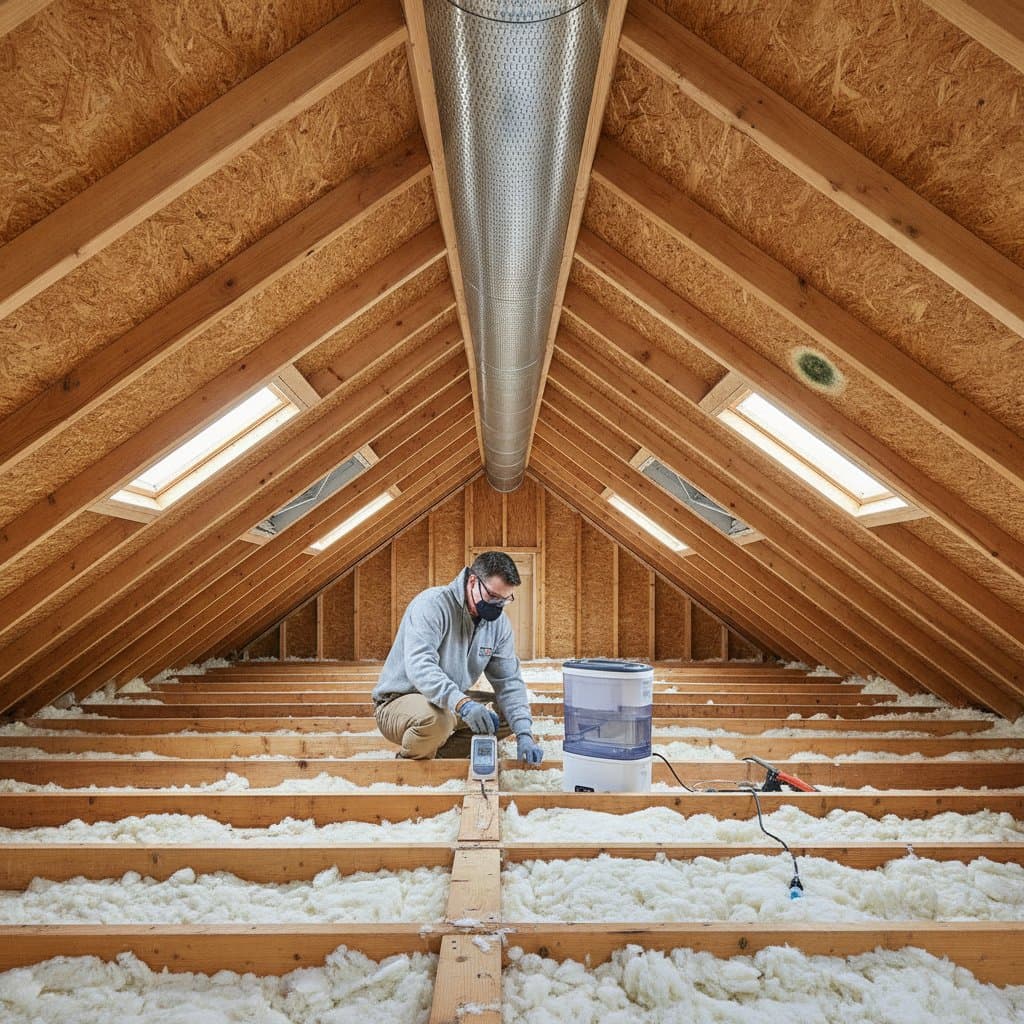
Level Two Inspection: Technicians conduct a thorough internal examination using video cameras and inspect accessible areas like attics or crawl spaces. Opt for this if heating systems have changed, new liners installed, or a chimney fire occurred.
-
Level Three Inspection: This in-depth assessment involves dismantling portions of walls or the chimney for full evaluation. Professionals recommend it following severe damage or identified hazards.
For typical households, a Level One or Level Two inspection during fall suffices. Costs range from 150 to 400 dollars, influenced by location, chimney height, and access difficulty.
Preliminary DIY Checks Before Professional Help
Homeowners can conduct initial assessments to spot evident problems, though experts handle comprehensive work. Equip yourself with a flashlight and mirror to peer into the flue. Look for dense black creosote layers, fractures, or eroded mortar, and contact a certified professional before using the fireplace.
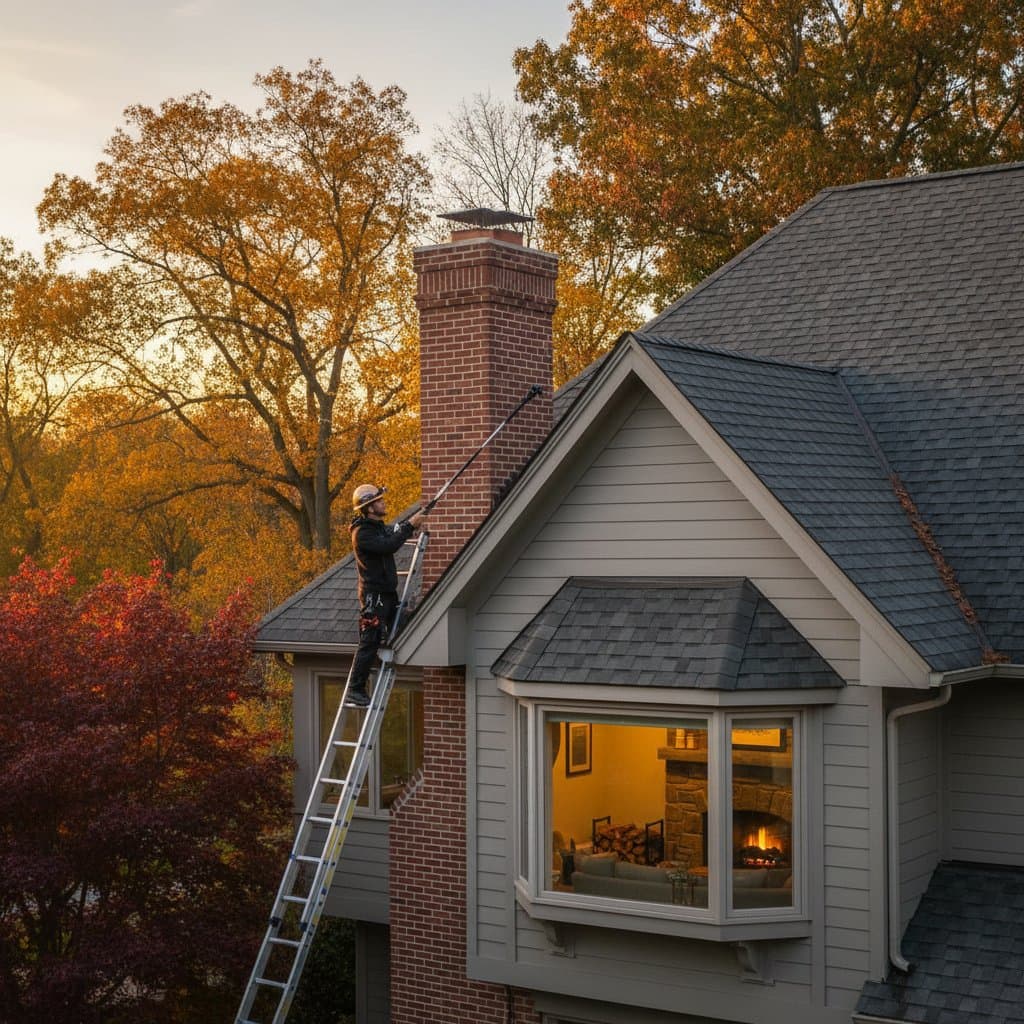
Verify the damper moves freely without sticking. From the roof, examine for animal nests, leaves, or other debris in the upper sections. Wildlife frequently invades chimneys during mild seasons.
On the outside, scan for displaced bricks, deteriorating mortar, or white efflorescence marks signaling water intrusion. Such observations often uncover early deterioration, potentially averting expensive fixes down the line.
Professional Cleaning and Creosote Management
Inspections revealing creosote exceeding one-eighth inch thickness demand immediate cleaning. Certified sweeps employ sturdy brushes, powerful vacuums, and precision tools to clear buildup while preserving the liner's integrity. The procedure typically spans one to two hours and averages 120 to 300 dollars.
Steer clear of relying solely on chemical cleaning logs. These products may dislodge light deposits but fail against substantial accumulations or underlying defects. Effective removal necessitates hands-on scrubbing and expert oversight.
Frequent Issues Uncovered During Fall Reviews
Fall evaluations often reveal problems that, if addressed promptly, safeguard against winter hazards.
Cracked Chimney Crown: The protective cement cap at the top repels water. Fissures permit moisture entry, which expands during freezes and causes further harm. Apply a durable sealant or install a new crown to restore waterproofing.
Compromised Liner: Fractured clay or metal liners leave masonry vulnerable to intense heat and rust. Neglect leads to fires spreading within walls. Relining expenses fall between 2,500 and 5,000 dollars, varying by material and dimensions.
Failing Flashing: Seals around the roof-chimney junction degrade over time, inviting leaks. Professional resealing runs 200 to 500 dollars and averts broader roof repairs.
Blockages from Animals or Debris: Accumulated nests, foliage, or twigs obstruct airflow. A mesh-covered cap, priced at 100 to 300 dollars, blocks intrusions throughout the year.
Budgeting and Scheduling Considerations
Most inspections and cleanings conclude within half a day. Allocate 200 to 600 dollars for the combined services. Repair costs fluctuate: simple mortar repointing stays below 300 dollars, whereas liner or crown replacements climb into thousands.
Book appointments early in autumn to sidestep delays and elevated fees. Proactive planning ensures timely completion before heavy use begins.
Weighing DIY Efforts Against Expert Services
Attempting DIY cleaning tempts cost savings, yet it invites dangers. Lacking specialized equipment and training, individuals risk flue injury or overlooking concealed flaws. Experts deploy advanced cameras and robust brushes for complete coverage.
Initial DIY visuals aid in identifying basics, but cleaning and fixes require certified personnel. Seek technicians endorsed by the Chimney Safety Institute of America or National Fireplace Institute for reliable results and required records.
Habits to Prolong Chimney Health
After servicing, adopt practices that minimize wear. Select dry, seasoned hardwoods like oak or maple, which generate minimal soot and higher heat, curbing creosote formation. Refrain from combusting paper, cardboard, or damp materials, as they amplify residue.
Secure the damper when idle to bar humidity and particulates. Fit a screened cap to deter pests and embers. In winter, monitor for unusual drafts or smoke backflow, which may indicate fresh cracks or obstructions.
Fall Maintenance Checklist
Follow this streamlined list annually:
- Examine exterior surfaces for fractures or absent mortar
- Test damper functionality and flue clearance
- Arrange expert inspection and cleaning
- Confirm or add a protective chimney cap
- Test smoke and carbon monoxide alarms
- Position firewood in a sheltered, distant spot
Consistent adherence enhances performance and mitigates fire or inhalation risks.
Indicators Requiring Immediate Expert Intervention
Seek professional aid without delay upon detecting persistent smoke odors outside of use, soot particles in the firebox, or unusual noises from the structure. These symptoms suggest active creosote burning or instability.
Realizing Long-Term Benefits
Routine chimney care extends beyond fire prevention to optimize warmth distribution and air purity. It shields your property and loved ones while prolonging the fireplace's durability.
Early fall preparation allows worry-free enjoyment of hearthside comfort through the coldest months, with assurance of a secure and effective system.