Why Early Air Conditioner Preparation Matters
Summer heat waves arrive without warning, and a well-maintained air conditioner provides essential relief. Many homeowners wait until the first hot day to address their units, leading to inefficiency and higher energy costs. Early preparation ensures the system operates at peak performance, potentially reducing energy bills by 15 percent according to energy efficiency studies.
Proactive maintenance addresses small issues before they escalate into major problems. This approach not only saves money but also enhances indoor air quality and comfort. By starting now, you avoid the rush of service calls during peak season.
The Benefits of Timely AC Maintenance
A properly prepared air conditioner uses less electricity to cool your home. Dirty filters and clogged vents force the unit to work harder, increasing energy consumption. Regular upkeep optimizes airflow and reduces strain on the compressor, the heart of the system.
Beyond cost savings, early prep prevents unexpected breakdowns. A sudden failure during a heat wave can lead to discomfort and expensive emergency repairs. Extended lifespan results from reduced wear and tear, meaning fewer replacements over time.
Improved efficiency also contributes to environmental benefits. Lower energy use means a smaller carbon footprint. Homeowners enjoy quieter operation and better humidity control, creating a more pleasant living environment.
Essential Steps for AC Preparation
Follow these detailed steps to ready your air conditioner for summer. Each action builds on the last to create a comprehensive maintenance routine.
1. Replace or Clean Air Filters
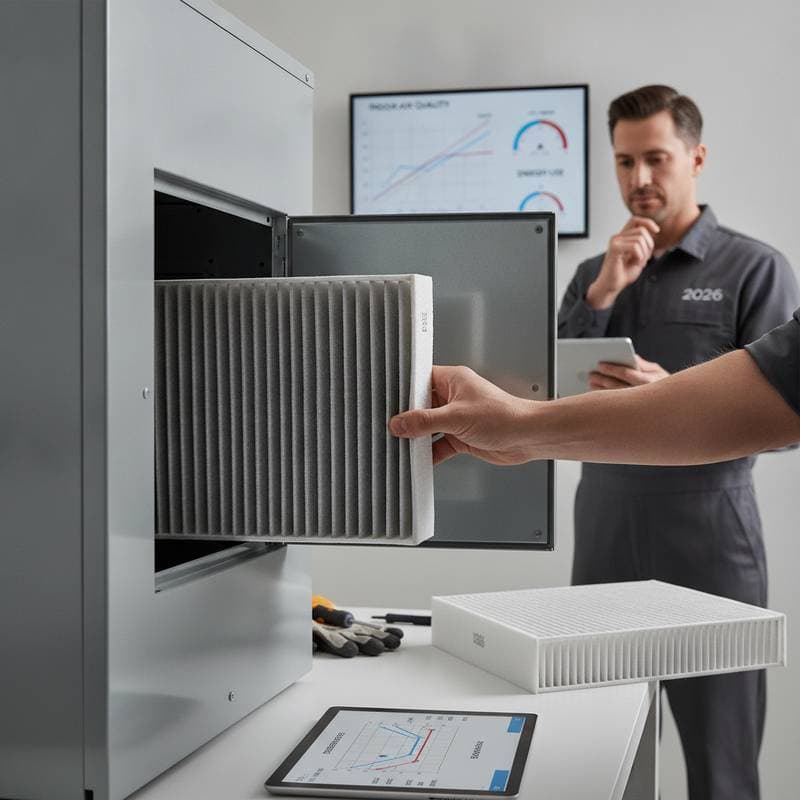
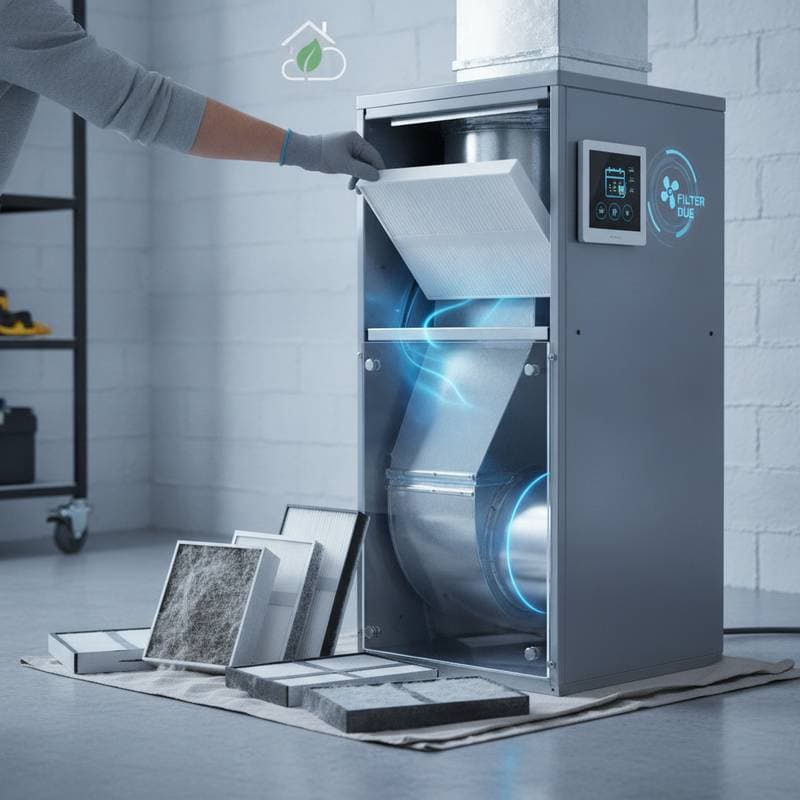
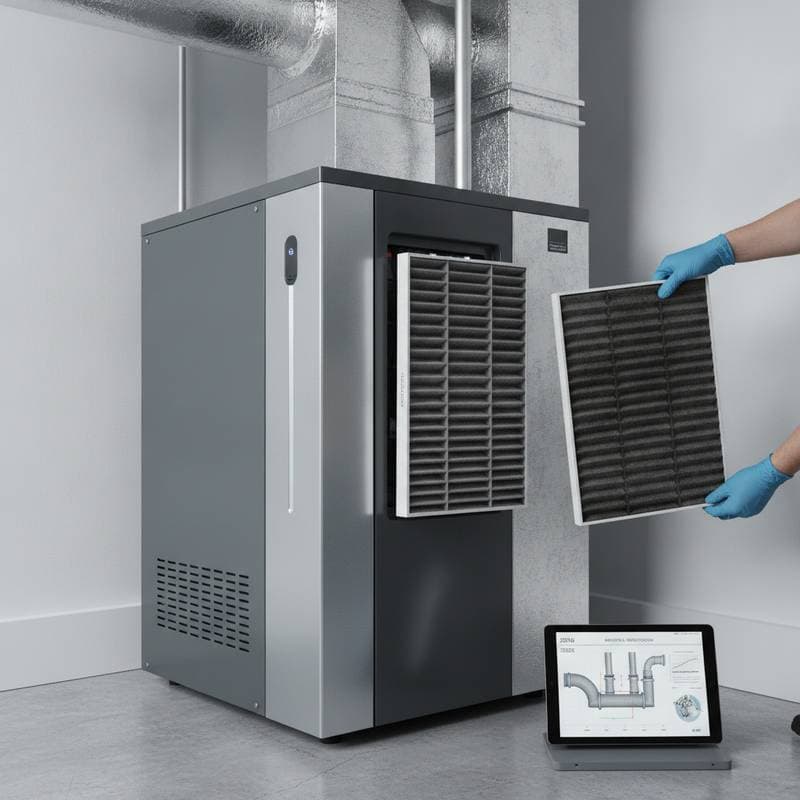
Air filters trap dust, pollen, and debris, protecting the system from buildup. Check filters monthly during heavy use, but replace them every one to three months depending on your environment. A clean filter improves airflow by up to 15 percent, directly lowering energy demands.
Locate the filter in the return air duct or behind the front panel of your unit. Slide out the old one and insert a new filter with the arrow pointing toward the blower. Opt for high-efficiency filters rated MERV 8 to 13 for better performance without restricting flow.
2. Clean Vents and Registers
Blocked vents reduce the system's ability to distribute cool air evenly. Inspect all supply and return vents throughout your home for dust accumulation. Use a soft brush or vacuum with a hose attachment to remove debris.
Ensure furniture or curtains do not obstruct vents. Straighten any bent fins on the evaporator coils if accessible, as this maintains proper heat exchange. Clean outdoor condenser coils by gently hosing them down to remove dirt and leaves.
3. Inspect Electrical Connections
Loose or corroded electrical connections can cause inefficient operation or safety hazards. Turn off power to the unit at the breaker before inspection. Check wiring for fraying, rust, or tightness using a screwdriver to secure terminals.
Examine the thermostat for accurate readings and clean contacts if necessary. If your unit uses a capacitor, look for bulging or leaking signs, which indicate replacement needs. Professional assistance is advisable for complex electrical work.
4. Schedule a Professional Tune-Up
While DIY steps cover basics, a certified technician provides thorough diagnostics. They test refrigerant levels, calibrate the thermostat, and lubricate moving parts. This service often uncovers hidden issues like refrigerant leaks early.
Book an appointment in spring to avoid summer delays. Technicians use specialized tools to measure efficiency and ensure compliance with safety standards. Expect the visit to take one to two hours, with costs varying by location and unit type.
5. Check Insulation and Sealing
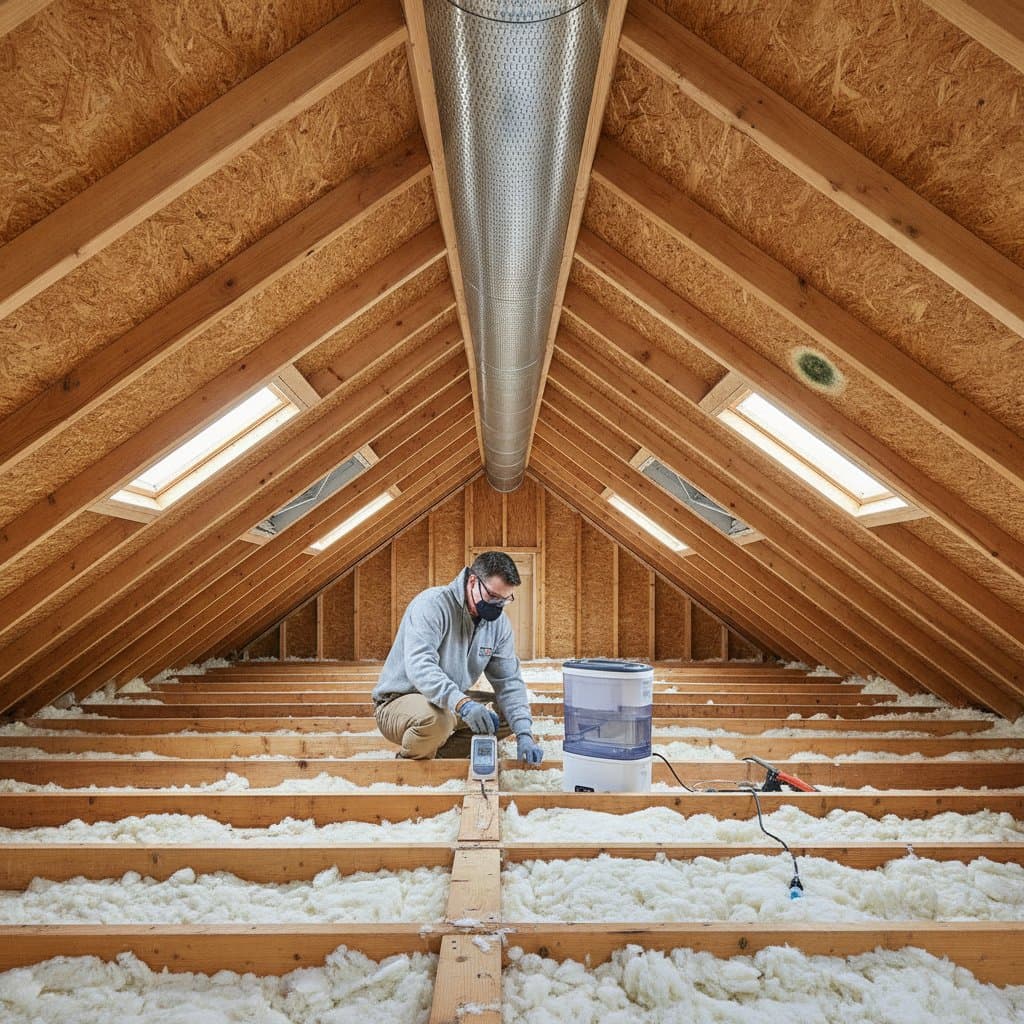
Poor insulation allows cool air to escape, forcing the AC to run longer. Inspect windows, doors, and ducts for leaks. Apply weatherstripping or caulk to seal gaps around frames.
Add insulation to attics or walls if needed to maintain indoor temperatures. Seal duct joints with mastic tape to prevent air loss, which can account for up to 30 percent of energy waste in some homes.
Common Mistakes to Avoid
Many overlook the outdoor unit, exposing it to debris that hampers performance. Clear a two-foot radius around the condenser and trim nearby vegetation. Avoid setting the thermostat too low, as this does not cool faster but increases energy use.
Skipping annual professional checks leads to gradual efficiency loss. Do not ignore unusual noises or reduced airflow, as these signal impending issues. Consistent monitoring prevents small problems from becoming costly repairs.
Maximize Savings Year-Round
Implement these preparation steps to achieve noticeable reductions in energy bills. Track your usage before and after maintenance to quantify the 15 percent savings. Combine AC prep with habits like using ceiling fans and shading windows for amplified results.
A reliable air conditioner supports restful summers without financial strain. Start today to enjoy cooler days and lower costs ahead.