Fall Chimney Inspection Costs and Key Insights
A chimney inspection stands as a critical seasonal task for homeowners with fireplaces or wood stoves. As cooler weather approaches, safe heating becomes essential, and a properly maintained chimney directs smoke and gases outside while retaining indoor warmth. Knowledge of inspection costs, influencing factors, and selection of qualified experts helps avoid expensive repairs and potential hazards.
Chimney Inspection Cost Fundamentals
National Average Pricing Benchmarks
In the United States, standard chimney inspections cost between $100 and $600, based on inspection depth and system type. Basic visual examinations align with the lower range, whereas camera-based or structural evaluations reach the upper end. The national average sits at approximately $300 for a comprehensive visual assessment that identifies soot or blockages.
Regional Price Variations
Costs differ by location. Urban coastal areas and major metropolitan regions command higher fees due to elevated labor and insurance expenses. In contrast, rural or suburban settings provide more affordable options from reduced operational costs. Inspections in the Northeast or West Coast often exceed Midwest or Southern prices by 15 to 25 percent.
Seasonal Pricing Fluctuations
Demand peaks in fall and early winter, prompting slight price increases as schedules tighten. Homeowners benefit from booking in late summer or early fall to lock in lower rates and prompt appointments. Such timing also facilitates repairs before winter sets in.
Economic Factors Influencing Service Costs
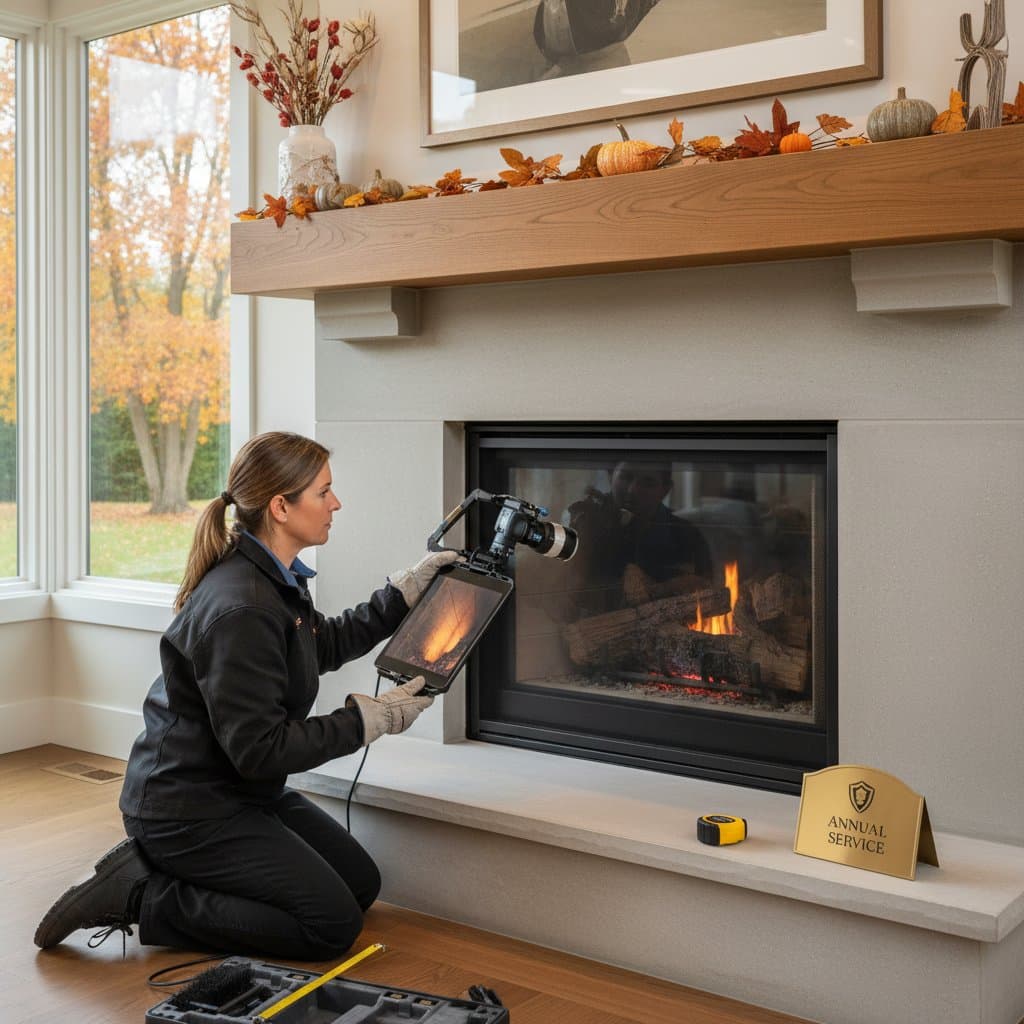
Economic conditions affect pricing. Increases in fuel and travel expenses elevate service fees, and inflation impacts labor and supplies. Providers using advanced tools like digital cameras or sensors justify premium rates through superior precision.
Pricing Models and Structures
Hourly Rates Versus Flat Fees
Flat-rate pricing dominates for its predictability in standard jobs. Hourly charges, ranging from $50 to $150, apply to intricate or multi-flue setups. Flat fees for typical residential inspections fall between $200 and $400, covering labor and tools.
Per Unit or Project-Based Pricing Models
Properties with multiple chimneys incur charges per unit. Each extra chimney adds $100 to $250, influenced by access and configuration. For estates or multi-unit buildings, project quotes encompass all elements in one fee.
Bundle or Package Pricing Strategies
Bundled inspection and cleaning services cost $250 to $500, offering 10 to 20 percent savings over separate bookings. These packages frequently incorporate tasks such as cap inspections or draft evaluations.
Subscription Versus One-Time Service Costs
Annual maintenance plans, priced at $150 to $350, include inspections, cleanings, and checks. Such subscriptions suit homeowners seeking reliable, hassle-free care.
Service Tiers and Their Price Points
Basic or Essential Services
Level 1 inspections involve visual checks of visible areas for soot, cracks, or blockages. These entry-level services range from $100 to $200.
Standard or Professional Service Pricing
Level 2 inspections employ video cameras for thorough internal reviews, often mandated for real estate transactions or post-storm assessments. Fees span $250 to $600, varying with chimney dimensions.
Premium or Comprehensive Service Rates
Level 3 inspections require disassembly to access hidden areas, essential for suspected structural issues. Costs climb to $800 through $2,000, factoring in labor and repairs.
Specialized or Bespoke Service Expenses
Custom or historic chimneys demand expert handling, with fees starting at $500 and potentially surpassing $1,500 for scaffolding or consultations.
Key Variables Influencing Chimney Inspection Pricing
- Scope of the job: Taller or larger chimneys require extended time and safety gear.
- Complexity: Curved flues or hard-to-reach parts prolong the process.
- Condition: Heavy creosote or damage extends evaluation time.
- Accessibility: Steep roofs or heights necessitate specialized equipment.
- Geographic location: Regional labor and licensing variances drive differences.
Certified technician Michael Raines from the Chimney Safety Institute of America notes that roughly 40 percent of inspection costs stem from access and safety factors rather than the inspection itself. This explains variations across comparable properties.
Add-On Services and Supplemental Charges
Chimney Cleaning Fees
Cleaning services add $150 to $350. Combining with inspection uncovers concealed issues efficiently.
Cap and Crown Repair Costs
Repairs to caps or crowns cost $100 to $400. Durable materials like stainless steel or copper incur higher expenses but offer longevity.
Smoke and Draft Testing Prices
Airflow tests, priced at $75 to $150, detect ventilation problems when bundled with inspections.
Expedited or Priority Service Rates
Peak-season priority adds 10 to 25 percent. Emergency responses after fires or storms include off-hour premiums.
Choosing the Right Chimney Inspection Service
Beyond price, prioritize certifications from the Chimney Safety Institute of America or National Fireplace Institute. Opt for insured, bonded providers to mitigate risks during roof access.
Seek firms offering detailed estimates, level explanations, and documented reports with images. Steer clear of vague low bids lacking credential transparency. Certified services yield 25 percent fewer follow-up problems, per consumer data, emphasizing professional value.
Preventive Maintenance and Cost Savings
Annual inspections avert minor issues escalating to major expenses. Early detection of flue cracks or crown damage limits costs to hundreds rather than thousands. Routine care enhances efficiency, cutting fuel use by 10 to 20 percent.
Homeowners may conduct surface-level checks for visible flaws, yet professionals detect internal threats like creosote buildup.
Preparing for Your Chimney Inspection
Clear the area around the fireplace and roof access points before the appointment. Remove nearby debris and secure pets or valuables. Inform the inspector of any recent usage or known issues to streamline the process.
Gather questions about your chimney type and maintenance history. Post-inspection, review the report promptly and schedule recommended follow-ups.
Ensuring Safe and Efficient Fireplace Use This Season
Timely inspections protect homes and optimize heating performance. Invest in certified services to minimize risks and extend system life. With proactive care, enjoy reliable warmth through the cooler months.