2025 Termite Checks: When and How Often to Schedule
Termites destroy wood structures from the inside out, often leading to expensive repairs and compromised structural integrity. Regular termite inspections form a essential component of home maintenance. These inspections detect activity at an early stage, safeguard your property investment, and prevent minor issues from escalating.
This guide details the recommended frequency for termite checks, outlines what occurs during an inspection, and provides strategies to protect your home between professional visits.
Why Termite Inspections Matter
A termite colony consumes wooden framing, flooring, and trim without immediate visible evidence for several months. Homeowners may first observe bubbling paint, hollow-sounding walls, or discarded wings only after the infestation has progressed significantly. Repair costs for termite damage vary from several hundred dollars for isolated problems to tens of thousands for comprehensive structural fixes.
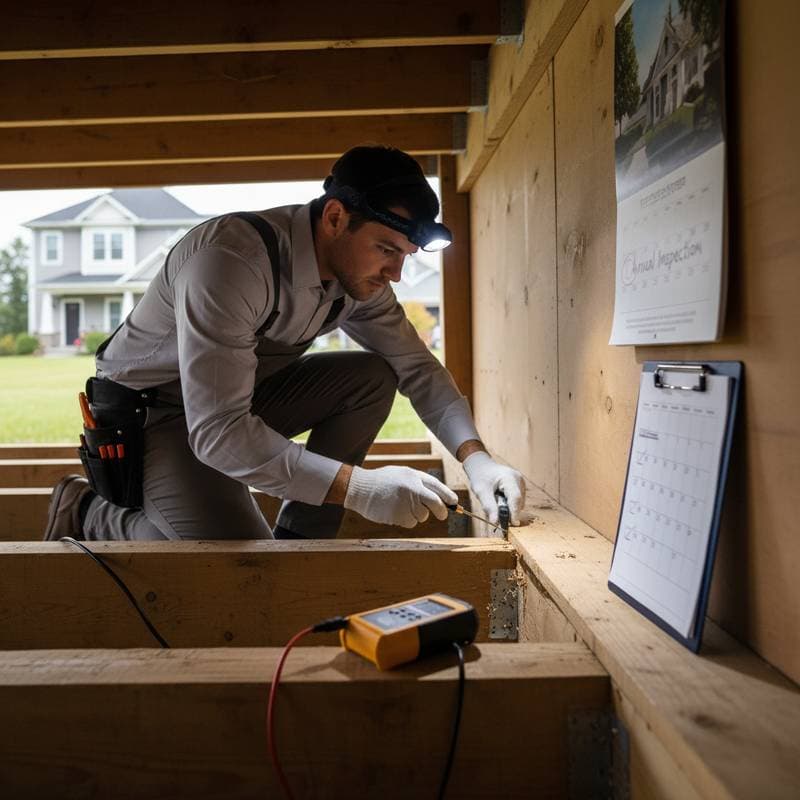
Professional inspections identify early indicators before damage extends further. Experts search for mud tubes, frass which consists of termite droppings, weakened wood, and moisture conditions that draw colonies. They examine crawl spaces, foundations, attics, and exterior walls. A professional perspective reveals subtle signs overlooked by most homeowners.
Ideal Frequency for Termite Checks
Experts advise conducting a complete inspection annually. In areas characterized by high humidity, sandy soil, or frequent heavy rainfall, inspections twice per year offer greater protection. For residences in arid climates or newer constructions using treated lumber, one inspection per year suffices in most cases.
Certain insurance providers and home warranty organizations mandate documentation of annual termite inspections to sustain coverage. Failure to adhere to this schedule risks policy cancellation. Maintaining thorough records preserves both financial safeguards and structural stability.
Seasonal Timing and Scheduling Tips
The timing of inspections influences effectiveness. Termites exhibit peak activity during warm temperatures and elevated moisture levels. Schedule visits in spring and late summer, periods when colonies expand and swarmers appear.
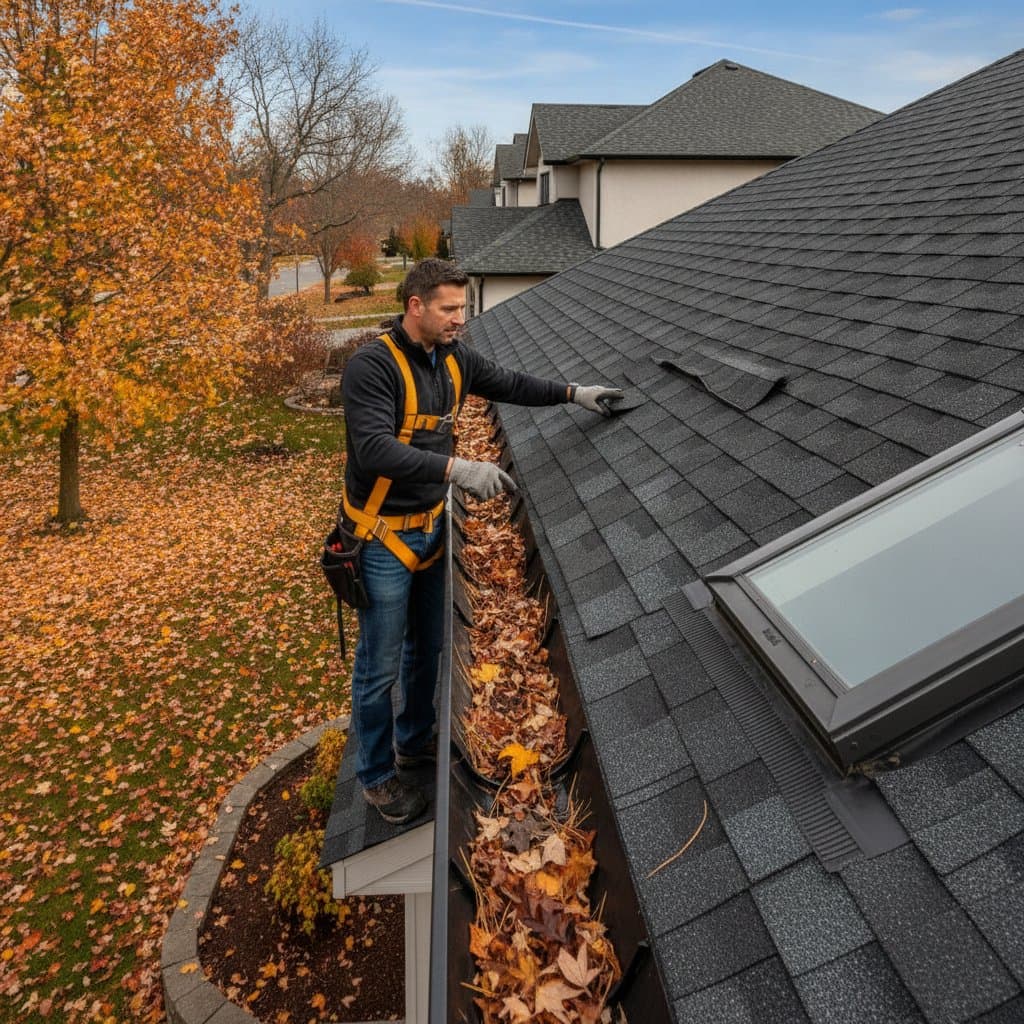
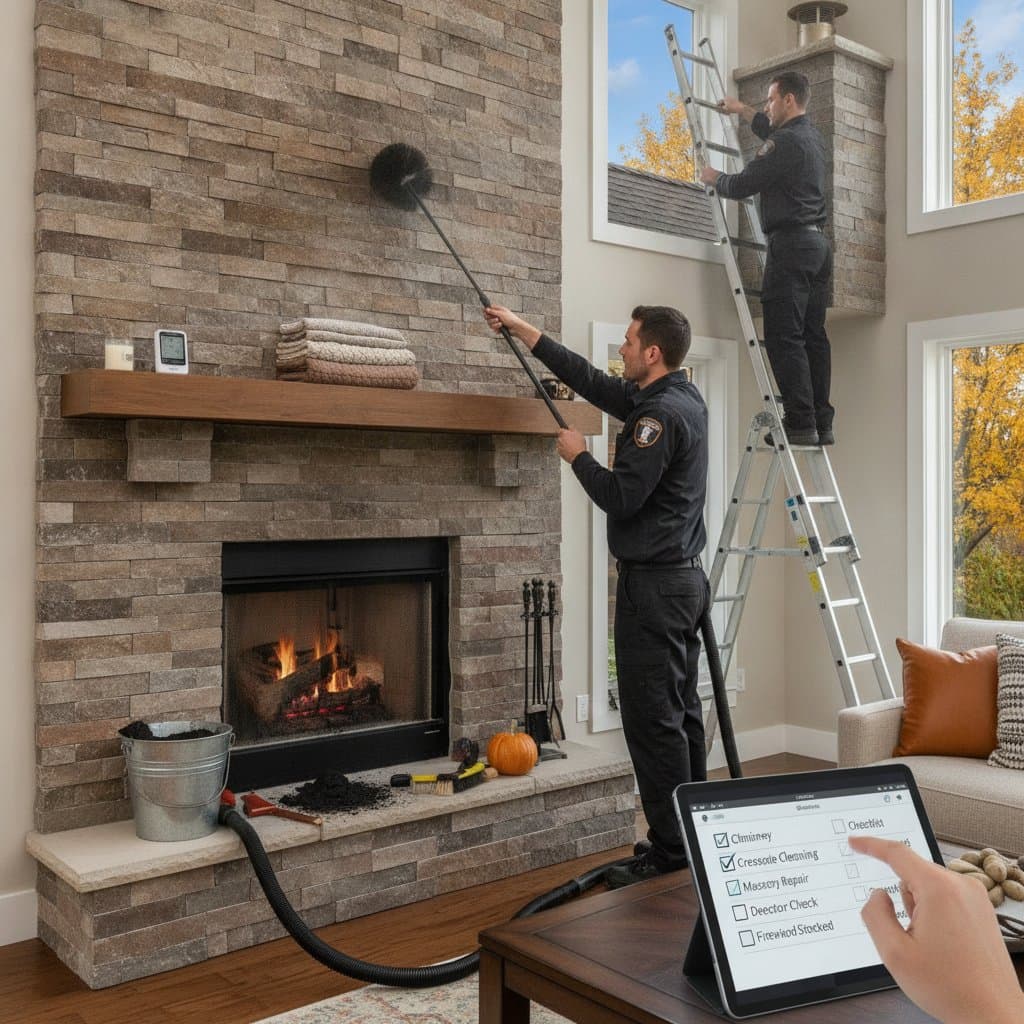
Establish recurring reminders within your home maintenance calendar. Integrate termite inspections with tasks such as HVAC servicing or gutter cleaning to embed them in your routine. Numerous pest control providers supply reminder notifications or annual contracts that automate scheduling, promoting adherence among homeowners.
What Happens During a Termite Inspection
An inspection generally requires one to two hours, based on the home's dimensions. Professionals assess interior and exterior zones, proceeding systematically through rooms and structural elements. They prioritize three primary areas:
- Foundation and Perimeter: Search for mud tubes, instances of wood contacting soil, and moisture buildup adjacent to the home's base.
- Interior Spaces: Inspect baseboards, window frames, and attic beams for hollow areas or subtle tapping sounds upon contact.
- Crawl Spaces and Basements: These environments, often damp and obscured, suit termite habitats ideally. Professionals measure moisture levels and may sample wood.
Upon completion, receive a detailed written report that specifies findings, assesses risks, and suggests treatments if necessary. Early identification distinguishes a minor treatment at approximately one hundred dollars from extensive fumigation surpassing one thousand dollars.
Preventive Measures Between Inspections
Annual inspections provide a strong foundation, yet proactive prevention enhances termite control. Implement these steps to minimize risks:
- Manage Moisture: Repair leaks promptly, clear gutters regularly, and position downspouts to divert water from the foundation.
- Store Firewood Properly: Position wood stacks at least twenty feet from the residence and elevate them above ground level.
- Seal Entry Points: Apply caulk to fissures surrounding windows, vents, and foundation seams.
- Reduce Wood-to-Soil Contact: Install concrete or metal barriers between soil and elements like decking or fencing.
- Monitor Landscaping: Limit overwatering in garden beds near the house and select mulch varieties that drain swiftly.
These routine practices render your property less attractive to termites and prolong intervals between interventions.
Choosing a Reliable Termite Inspection Service
The selection of a service provider holds equal importance to scheduling. Seek licensed and insured pest control businesses focused on termite solutions. Request local references and review feedback on platforms such as Reddit's Home Improvement community or YouTube content addressing pest prevention.
Established firms deliver comprehensive inspection reports, straightforward pricing, and customized treatment plans suited to your home's build. Consider integrating termite services with broader pest management packages. Such combinations often yield savings of up to twenty percent over individual contracts and guarantee ongoing surveillance.
Recognizing Early Warning Signs
Professional inspections offer vigilance, but personal awareness between visits aids in detecting concealed threats. Contact an inspector upon observing:
- Accumulations of small wings near windows or doors
- Minute perforations in drywall or wooden trim
- Mud tubes ascending foundation surfaces
- Warped flooring or sagging ceilings
- Paint that peels or bubbles without apparent cause
These indicators suggest termite activity or moisture issues that invite infestations.
Build a Termite-Resistant Home Routine
Termite inspections extend beyond routine obligations; they preserve your home's structural soundness and avert substantial repair expenses. Adhere to a steady inspection cadence, resolve moisture concerns, and engage qualified experts to secure your property and tranquility.
Incorporate termite checks into your yearly maintenance protocol, alongside HVAC maintenance or gutter clearing. Dedicate a few hours annually to avert prolonged challenges and unforeseen costs. Proactive measures ensure your residence endures robustly into the future.