AC Tune-Up Essentials for Summer Comfort
Summer heat prompts most homeowners to depend on air conditioners for comfortable indoor environments. Many units, however, operate inefficiently due to inadequate servicing. A seasonal AC tune-up averts breakdowns, optimizes cooling, and manages energy expenses. Knowledge of tune-up components and planning strategies ensures reliable cooling through peak temperatures.
Why AC Tune-Ups Matter
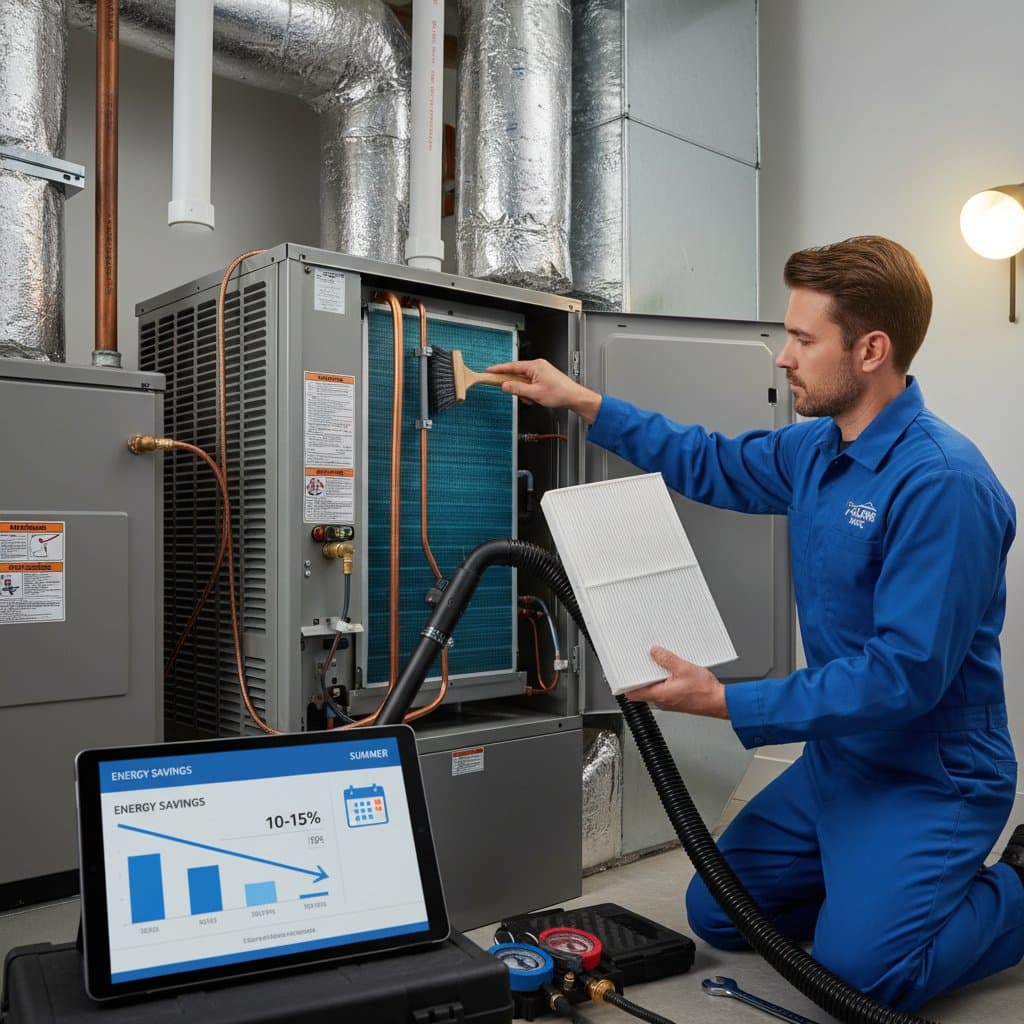
Air conditioners without routine maintenance gradually lose efficiency. Accumulated dust, soiled coils, and deteriorated components compel the system to labor excessively. This elevates energy consumption and accelerates equipment wear. HVAC experts in online home improvement communities report that annual tune-ups yield 10 to 15 percent energy reductions for most users. Such savings accumulate to substantial utility cost reductions over multiple seasons.
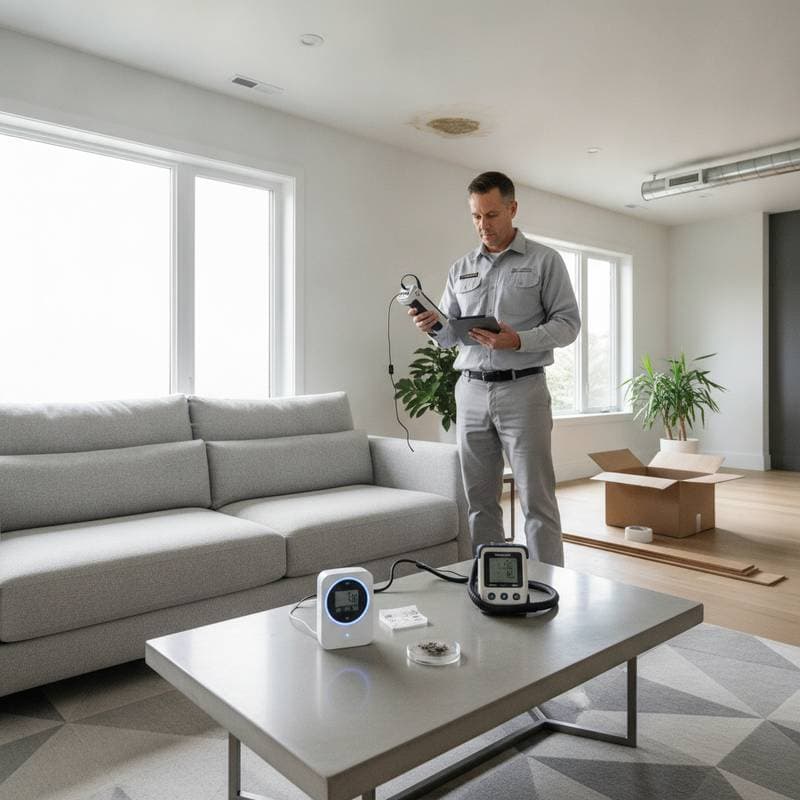
Tune-ups further elevate indoor air quality. Dirt in filters, coils, and ducts disperses allergens and particles homewide. Technician-led cleaning and evaluations minimize these pollutants, proving advantageous for residences with respiratory sensitivities.
What a Professional Tune-Up Includes
Standard AC tune-ups entail comprehensive system assessments. Reputable HVAC firms adhere to established protocols:
- Thermostat calibration confirms precise temperature detection.
- Refrigerant level evaluation verifies optimal cooling capacity.
- Condenser coil cleaning eliminates airflow-impeding debris.
- Evaporator coil examination identifies potential leaks or obstructions.
- Electrical component verification uncovers loose wiring or degradation.
- Fan motor and blade review ensures smooth functionality.
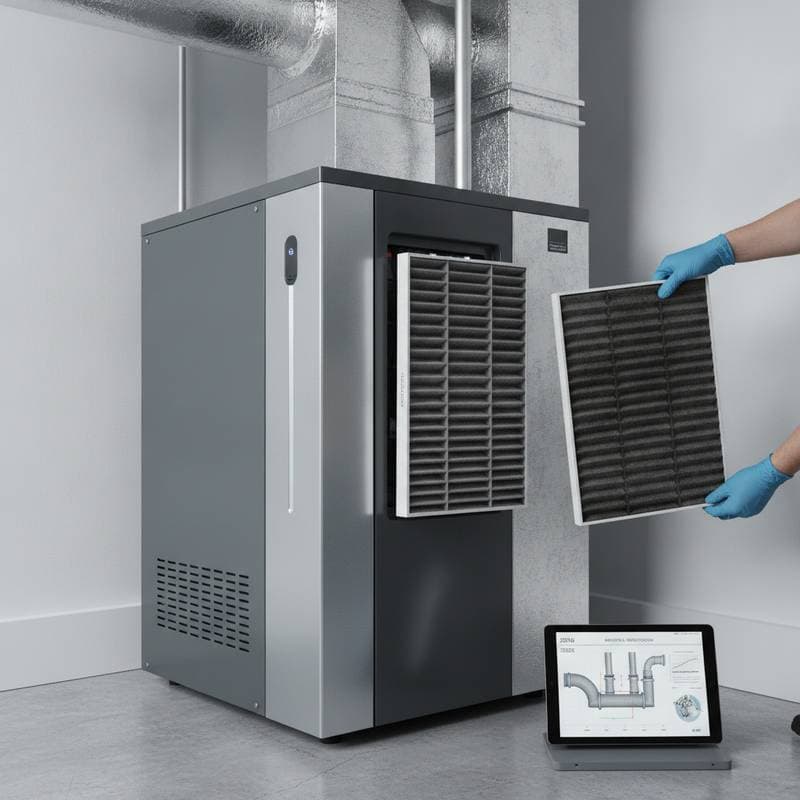
- Filter substitution sustains ventilation and eases compressor load.
- Drain line clearing averts moisture accumulation and structural harm.
Service providers often lubricate mechanisms, secure fittings, and inspect refrigerant line insulation. Residential procedures generally span one to two hours.
Cost and Value of a Tune-Up
Professional AC tune-ups average $80 to $200, varying by unit capacity, regional factors, and provider pricing. Certain firms propose seasonal discounts or annual contracts covering biannual services. These agreements frequently grant expedited appointments and repair fee reductions, benefiting owners of aging equipment.
Should evaluations reveal damaged elements or escapes, supplementary fixes apply. Capacitor renewal, for instance, costs approximately $150, whereas refrigerant seal repairs surpass $300. Proactive care remains more economical than compressor substitutions or full system overhauls, which exceed thousands of dollars.
DIY Tasks You Can Handle
Professional oversight proves vital, yet owners manage basic upkeep between appointments to sustain performance.
- Replace or wash filters periodically. Swap disposables every one to three months, adjusted for operation intensity and environmental conditions.
- Remove obstacles from the outdoor condenser. Maintain a minimum two-foot clearance for unrestricted ventilation.
- Verify thermostat configurations. Confirm seamless mode transitions and alignment with daily patterns.
- Examine vents and registers. Vacuum surfaces to dislodge dust hindering circulation.
- Monitor for atypical sounds. Vibrations, snaps, or hums signal potential mechanical or electrical faults warranting expert intervention.
When to Schedule Professional Service
Optimal tune-up timing precedes peak cooling demands. Advance readiness equips the system for sustained operation. For belated arrangements, book upon detecting diminished airflow, inconsistent temperatures, or escalating power usage. Steer clear of delays into intense heat periods, when service delays lengthen due to high demand.
Aging or long-neglected units benefit from semiannual attention. Initial sessions emphasize preseason preparation, while follow-ups assess post-intensive evaluations. This regimen identifies emerging issues and forestalls seasonal disruptions.
Choosing a Reliable HVAC Technician
Service quality varies among providers. Inquire about credentials, tenure, and assurance policies when vetting candidates. Prioritize firms featuring NATE-certified personnel, denoting rigorous HVAC proficiency. Review feedback on community sites, Google, and Yelp to gauge reliability and promptness.
Dependable technicians articulate discoveries plainly, furnish documented proposals, and eschew coercive upsells. Clear dialogue and openness mark superior providers.
Troubleshooting Common Cooling Issues
Routine tune-ups minimize glitches, though intermittent challenges arise. Grasping root causes guides self-resolution or professional summons.
Weak airflow: Typically stems from clogged filters or sealed passages. Install fresh filters and scan for barriers.
Warm air emission: Suggests refrigerant deficiency or compressor fault, necessitating skilled correction.
System short cycling: Frequent on-off patterns indicate thermostat malfunctions or soiled condenser surfaces.
Water seepage by indoor components: Arises from obstructed drains; accessible lines yield to vinegar dilutions for clearing.
Persistent problems demand licensed HVAC assistance. Unauthorized tampering risks exacerbation or warranty invalidation.
Preventing Future Problems
Consistent tune-ups form the cornerstone of breakdown avoidance. Maintain a service journal logging dates, providers, and component updates. This documentation tracks patterns and bolsters warranty assertions.
Enhance system longevity through home-wide efficiencies. Apply seals to entry points, deploy fans for air distribution, and shade interiors during solar peaks. These measures lighten AC burdens and prolong operational life.
Steps to Ensure Lasting AC Performance
Air conditioners represent enduring commitments to comfort and home equity. Scheduled tune-ups preserve efficiency, curb surprise expenses, and deliver uniform cooling. Integrating maintenance into routines yields subdued noise, purified atmospheres, and diminished bills.
Secure your preseason service with a vetted local specialist promptly. An optimized unit conquers summer demands effortlessly, fostering tranquility and sustained livability.