Prevent Costly Ice Dams: Essential Attic Insulation Strategies for 2025
Winter storms bring challenges for homeowners, including the formation of thick ice ridges along roof edges. These ice dams threaten shingles, gutters, and interior ceilings with significant damage. Poor attic insulation often contributes to this issue, yet targeted upgrades can halt ice dams, safeguard the roof, and lower heating expenses throughout the season.
How Ice Dams Develop
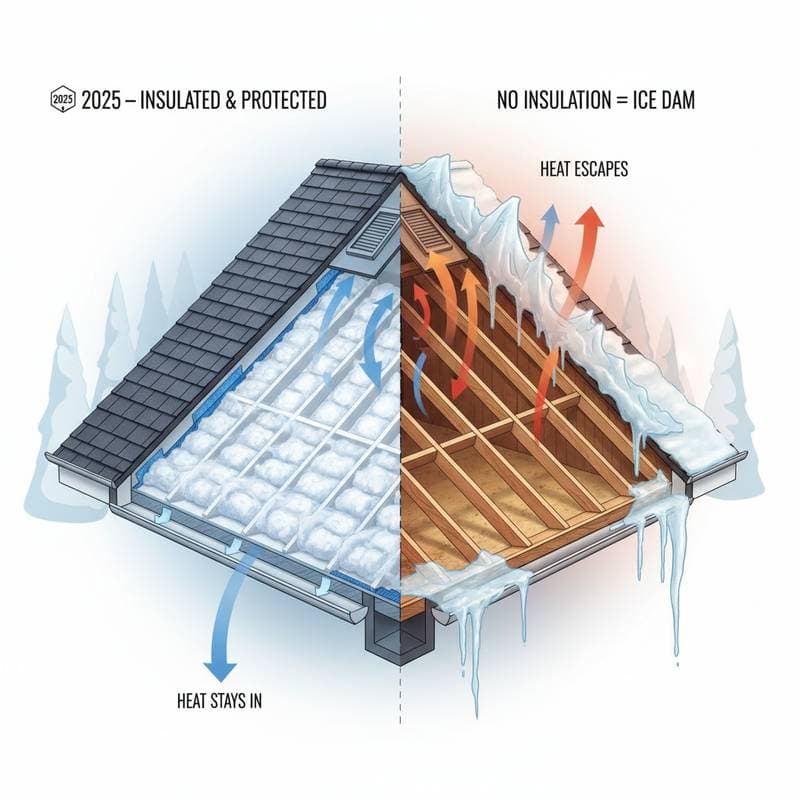
Ice dams arise when indoor heat escapes through the roof and melts snow accumulated on the surface. The resulting water flows toward the cooler roof edges and refreezes, creating a persistent ice barrier. This cycle traps additional water behind the dam, which seeps under shingles, saturates the roof deck, and infiltrates ceilings and walls.
Homes with inadequate attic insulation face heightened risks due to thin, uneven coverage or gaps around vents and eaves. Even minor heat leakage elevates roof temperatures sufficiently to initiate melting. The resulting ice accumulation adds weight and moisture exposure, accelerating roof deterioration and necessitating costly repairs.
Attic Insulation as a Key Defense
Effective attic insulation creates a robust barrier that separates warm indoor air from the cold roof deck. Proper installation confines heat to living areas, preventing it from permeating the attic and radiating through the roof. This approach maintains uniform roof temperatures, averting the differential melting that fosters ice dams.
Common insulation materials include:
- Fiberglass batts or rolls: Straightforward to install in areas with uniform joist spacing; they provide reliable thermal resistance at a moderate cost.
- Blown-in cellulose: Ideal for filling odd-shaped spaces and achieving comprehensive coverage without compression.
- Spray foam: Delivers superior air sealing and insulation in one application, though it requires professional handling for optimal results.
These materials perform best alongside air sealing and ventilation enhancements. Insulation alone falters if warm air infiltrates through unsealed gaps or if vents remain obstructed.
Determining Required Insulation Levels
Insulation needs vary by regional climate and home construction details. In colder zones, aim for an R-value of R-49 to R-60, where the R-value indicates resistance to heat transfer; higher values enhance performance. Consult local building codes or energy guidelines to confirm precise requirements for your area.
Attics with under 10 inches of current insulation typically require augmentation. Conduct a simple inspection by observing joist visibility; exposed tops suggest insufficient depth. Layer new insulation over existing material if it remains dry and undamaged, ensuring even distribution to avoid cold spots.
Installation Basics and Expense Overview
Homeowners often handle fiberglass batts or blown-in options independently, provided they prioritize safety. Equip yourself with gloves, a respirator, and eye protection to guard against irritants like dust and fibers. Secure covers over recessed lights and electrical outlets to prevent overheating risks during installation.
Professional services for insulation typically range from $1.50 to $3.50 per square foot, influenced by material choice and attic layout. Spray foam installations, which simultaneously seal and insulate, fall between $3 and $6 per square foot. Initial costs recoup through energy savings and minimized repair needs, often within three to five years.
Integrating Air Sealing for Maximum Effect
Insulation requires complementary air sealing to block warm air migration. Prior to adding material, address penetrations like plumbing vents, fixtures, and chimneys with appropriate sealants. Apply expanding foam or caulk to minor gaps and rigid foam boards to larger voids for a tight envelope.
Air sealing enhances insulation efficiency by directing heat retention efforts. Research from energy efficiency analyses indicates that combined approaches cut heat loss by up to 30 percent over insulation upgrades alone. This reduction stabilizes roof conditions and trims utility expenditures noticeably.
Ventilation Essentials for Balanced Performance
Attic ventilation complements insulation by expelling moisture and equalizing temperatures across the roof. Inadequate airflow allows humidity to condense on cold surfaces, promoting rot and mold development. A well-designed system mitigates these threats while supporting ice dam prevention.
Incorporate soffit intake vents low on the eaves and ridge exhaust vents at the peak for optimal circulation. This configuration pulls in exterior cool air and expels attic warmth and vapor. Verify unobstructed paths by installing baffles if insulation encroaches on vent areas, ensuring continuous airflow from eaves to ridge.
Indicators of Inadequate Insulation
Recognize attic insulation shortcomings through observable signs:
- Persistent icicles dangling from gutters or eaves.
- Irregular snow melting across the roof surface.
- Noticeable drafts in upstairs living spaces.
- Elevated heating costs even with active systems.
- Ceiling stains or paint discoloration from moisture.
Prompt an attic evaluation upon detecting these symptoms. Energy audits featuring thermal imaging pinpoint precise heat escape points, guiding focused interventions over broad assumptions.
Broader Advantages of Insulation Upgrades
Attic insulation extends beyond ice dam mitigation to enhance overall home efficiency. It fosters even indoor temperatures, curbs energy consumption, and regulates humidity for healthier living conditions. Residents frequently note reduced floor-to-floor variations and steadier warmth distribution.
These improvements alleviate strain on heating systems, allowing furnaces or heat pumps to operate less frequently and endure longer. Cumulative benefits include substantial bill reductions and lower upkeep demands, positioning attic upgrades as a wise investment in cold-weather residences.
Pitfalls to Sidestep During Upgrades
Excessive insulation without ventilation adjustments invites condensation within the attic. Accumulated moisture degrades material integrity and fosters mold proliferation. Balance depth with airflow to sustain long-term efficacy.
Overlook no detail, such as the attic access hatch, which often serves as a major heat leak if unaddressed. Affix rigid foam insulation to the hatch interior and seal edges with weatherstripping to minimize infiltration.
Preserve vent functionality by avoiding coverage with insulation materials. Obstructed vents disrupt moisture control and heighten under-roof dampness risks.
Sustaining Attic Insulation Effectiveness
Regular maintenance preserves the value of insulation investments. Annually inspect for settling or compression, which diminishes R-value over time. Redistribute or replenish material as needed to maintain specified depths.
Monitor for pest activity or debris accumulation that could compromise seals. Schedule professional assessments every few years, particularly after severe weather, to detect emerging issues early.
Practical Steps for Optimal Results
Measure insulation thickness using a ruler at multiple locations to ensure uniformity. Maintain a three-inch clearance from recessed lighting unless fixtures carry contact-rated labels. Position depth indicators near access points for straightforward future monitoring.
Pair insulation efforts with comprehensive roof checks to identify and repair minor leaks promptly. These proactive measures maximize protection and efficiency year-round.