Which Option Costs Less: Walk-In Tub or Curbless Shower?
Homeowners embarking on bathroom renovations frequently deliberate between a walk-in tub and a curbless shower. These installations enhance accessibility, promote safety, and elevate property value, yet expenses fluctuate according to materials, plumbing modifications, and labor demands. Grasping these variables enables informed selection aligned with financial constraints and daily needs.
Core Concepts of Each Installation
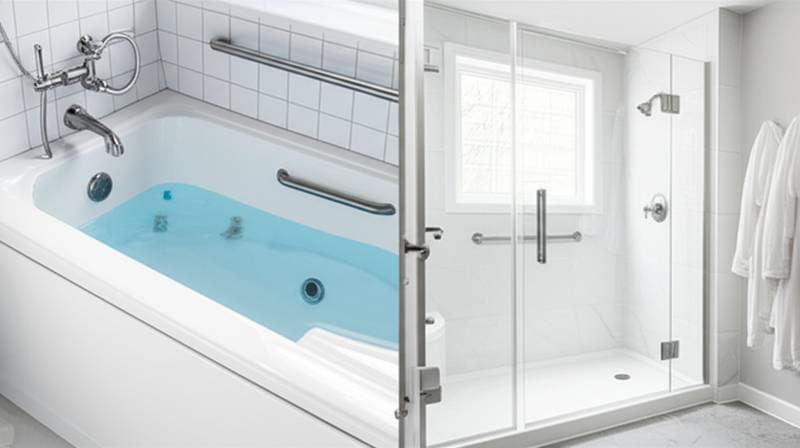
A walk-in tub features a low-threshold door and deep basin for secure entry and immersive soaking. Individuals select this for hydrotherapy advantages, especially those addressing mobility challenges or seeking therapeutic relief. In contrast, a curbless shower incorporates a flush floor transition, fostering seamless access and a contemporary aesthetic suitable for wheelchair use.
Each design advances safety through distinct mechanisms. Expenses hinge on bespoke elements, such as integrated jets or premium finishes, alongside necessary structural adaptations.
Concealed Expenses in Installation
Surface-level estimates overlook ancillary charges that substantially impact the overall budget for either choice.
Plumbing Modifications
Walk-in tubs necessitate specialized plumbing for rapid filling and draining, potentially requiring upgraded pipes if existing lines prove inadequate. This adjustment elevates costs in homes with antiquated systems, often adding 20 to 30 percent to the base price. Curbless showers demand precise drain repositioning and subfloor regrading to facilitate proper water runoff, a process that intensifies in structures predating modern accessibility standards.
Waterproofing and Surface Finishes
Curbless showers require comprehensive waterproof membranes across floors and walls to avert moisture intrusion. Contractors apply multiple layers of sealant, and opting for expansive porcelain tiles minimizes seams but increases installation fees due to specialized cutting. Walk-in tubs limit exposed tiling to surrounding areas, thereby curtailing material and labor expenditures in these domains.
Electrical Upgrades
Advanced walk-in tubs equipped with air jets or inline heaters demand a dedicated 240-volt circuit, incurring electrician fees that range from $500 to $1,500. Such work involves panel assessments to comply with safety codes. Curbless showers might integrate underfloor heating or ambient lighting, each contributing electrical outlays that parallel or exceed those of basic tub setups.
Ongoing Upkeep and Enduring Worth
Beyond upfront investments, evaluate maintenance routines and property appreciation to gauge lifetime costs.
Upkeep for Walk-In Tubs
Routine sanitation prevents bacterial growth in the tub's enclosed space; use mild cleaners weekly and inspect door gaskets quarterly for integrity. Jet systems benefit from monthly vinegar flushes to dissolve residues. Replacement components, like seals or pumps, carry premiums due to proprietary manufacturing, potentially totaling $300 to $800 per incident.
Upkeep for Curbless Showers
Effective maintenance relies on flawless initial setup, allowing simple sweeping and mopping without confined areas. Fewer grout joints with oversized tiles simplify care, though vigilant slope monitoring averts standing water. Engaging certified waterproofing experts during installation mitigates future interventions, preserving structural integrity over decades.
Influence on Property Resale and Visual Charm
Prospective purchasers prioritize adaptable, upscale bathrooms that signal thoughtful design.
Walk-in tubs attract demographics valuing therapeutic functionality, such as aging-in-place enthusiasts, yet may deter younger demographics perceiving limited adaptability. Curbless showers resonate universally, blending with diverse decors from minimalist to classic. Industry discussions highlight their premium perception, often boosting marketability by 5 to 10 percent in competitive listings.
Prioritize curbless designs for broad appeal if selling soon; opt for walk-in tubs when personal wellness drives the decision.
Tackling Installation: Self-Directed or Expert-Led?
Precision defines success in these renovations, where errors amplify expenses through corrective measures.
Scenarios for Self-Directed Efforts
Skilled individuals might manage accessory tasks, including fixture swaps or safety rail additions. Certain walk-in tub kits include user-friendly connectors, yet plumbing integration remains a domain for seasoned practitioners to avoid leaks.
Benefits of Professional Involvement
Entrust complex projects to certified specialists who guarantee adherence to building regulations and provide transferable warranties. Curbless configurations particularly demand their proficiency in achieving imperceptible slopes and robust barriers against water migration. For tubs, experts coordinate plumbing and electrical seamlessly, ensuring operational reliability from day one.
Strategies to Control Expenditures
Professional oversight need not inflate budgets when approached strategically.
- Solicit estimates from no fewer than three vetted contractors to benchmark competitive rates.
- Select resilient mid-tier options like acrylic composites over exotic marbles for comparable durability at reduced cost.
- Retain current fixture positions to minimize plumbing relocations and associated disruptions.
- Integrate the project within broader remodeling phases to consolidate labor and transport efficiencies.
- Inquire into incentives, such as utility rebates for energy-efficient features or manufacturer payment plans for accessibility improvements.
Safeguarding Your Renovation Investment
Sustained enjoyment of a walk-in tub or curbless shower stems from diligent habits and timely interventions. Perform bi-annual professional assessments to detect wear in seals or drainage paths. Walk-in tubs excel in delivering personalized hydrotherapy, justifying elevated initial costs for enhanced well-being. Curbless showers, with their versatile elegance and straightforward care, often yield superior financial returns through enduring appeal and minimal upkeep demands.
Both selections harmonize expense with functionality, empowering homeowners to customize bathrooms that support independence and sophistication for the long term.