The AC Checklist That Saves You from Summer Sweats
Summer heat arrives swiftly, and a malfunctioning air conditioner can turn your home into an uncomfortable space. Proper maintenance ensures reliable cooling, reduces energy consumption, and prolongs equipment lifespan. This checklist provides step-by-step guidance to prepare your system for peak season, helping you avoid disruptions and unexpected costs.
Inspect and Replace Air Filters
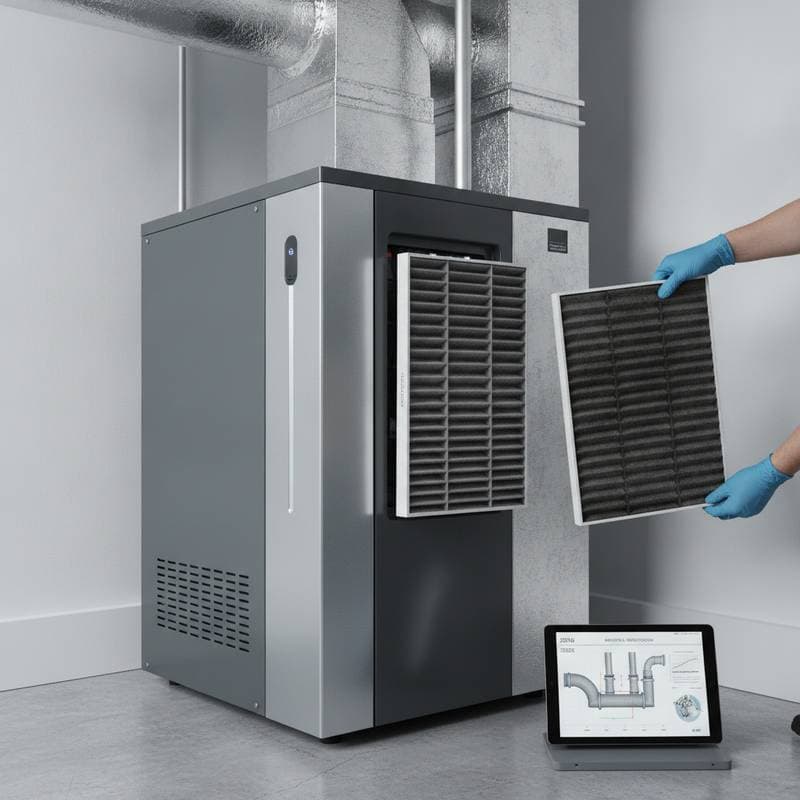
Air filters capture dust and allergens, but when clogged, they impede airflow and strain the system. Examine the filter monthly during cooling season; a clean one appears white or light-colored, while a dirty one shows visible gray dust or debris. Replace it immediately if soiled, selecting a filter with a MERV rating of 8 to 13 for balanced filtration and airflow. Standard fiberglass filters cost ten to fifteen dollars, whereas pleated options range from twenty to forty dollars and capture finer particles. Energy Star reports indicate that regular replacement can cut energy use by up to fifteen percent, leading to noticeable savings on utility bills.
Clean the Condenser Coils
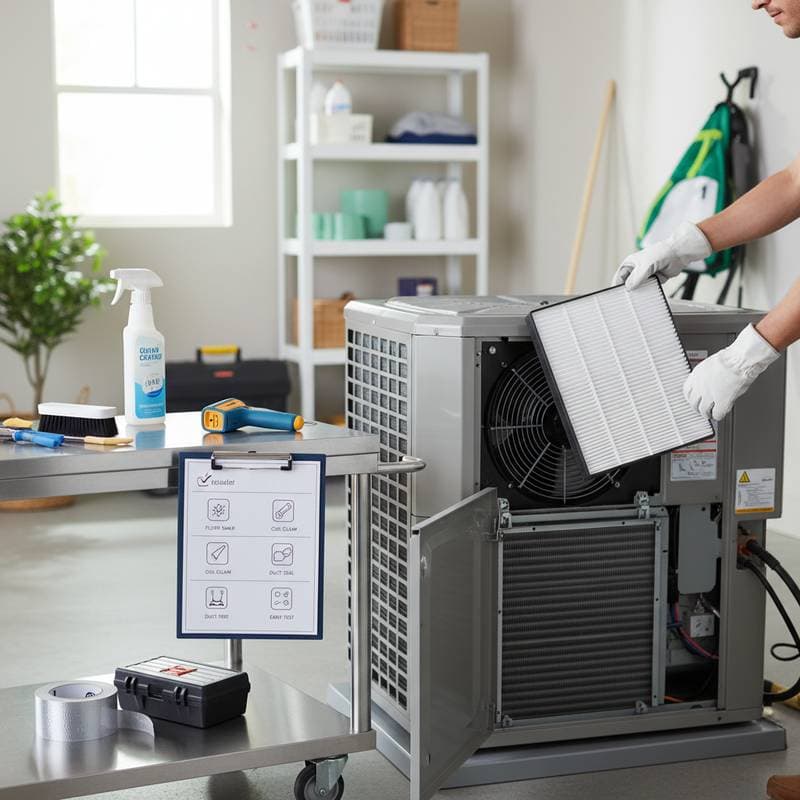
The outdoor condenser coils dissipate heat from your home, but accumulated dirt, pollen, and leaves reduce their effectiveness. Before starting, shut off power at the breaker to ensure safety. Gently brush away loose debris with a soft-bristle tool, then vacuum remaining particles using a hose attachment designed for delicate surfaces. Follow up by rinsing the coils with a garden hose on a low-pressure setting, directing water from the inside out to prevent fin damage. For oilier residues, apply a commercial coil cleaner according to product instructions, allowing it to sit before rinsing. Clean coils enhance heat transfer, improve overall efficiency, and maintain even temperatures throughout your living spaces.
Check the Thermostat Settings
An efficient thermostat optimizes cooling cycles to match your lifestyle, preventing unnecessary runtime. If you have a programmable model, adjust it to increase the temperature by four to six degrees when the home is unoccupied, then lower it fifteen minutes before your return. Smart thermostats, such as those compatible with voice assistants, adapt to patterns over time and allow remote adjustments via mobile applications. Upgrading from a basic model typically costs one hundred to two hundred dollars, including basic installation, and qualifies for energy rebates in many regions. Proper settings balance comfort with savings, potentially reducing cooling costs by ten to twenty percent.
Inspect the Condensate Drain
During operation, the AC removes humidity, producing condensate that must drain freely to avoid water damage. Blockages from algae, mold, or sediment can cause overflows, leading to dampness or structural issues. Locate the drain line, often accessible near the indoor unit, and use a wet-dry vacuum to suck out obstructions from the exit point for thirty seconds or until clear. Prevent recurrence by flushing the line with one cup of distilled white vinegar every three months, followed by a rinse of warm water. Regular attention keeps humidity levels stable and protects indoor air quality.
Examine Ductwork for Leaks
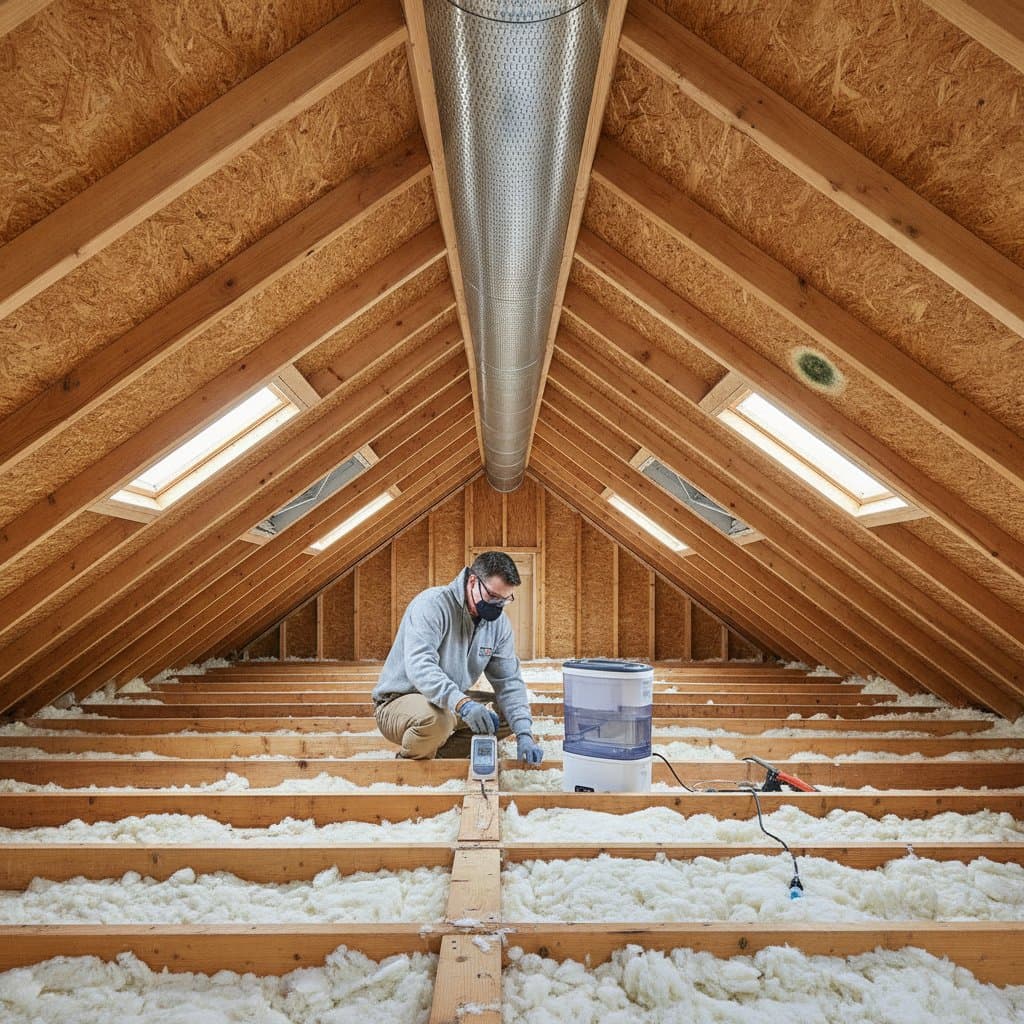
Ducts deliver conditioned air, but leaks can lose up to thirty percent of cooled air in unconditioned spaces like attics. Inspect accessible areas for gaps at joints, tears in flexible sections, or disconnected segments. Seal minor leaks with aluminum foil tape or water-based mastic, applying it evenly to ensure an airtight bond. For extensive systems or hard-to-reach ducts, hire a professional for a blower door test and sealing, which costs two hundred to four hundred dollars but recoups investment through lower energy demands. Well-sealed ducts distribute air uniformly, enhancing comfort in every room.
Tighten Electrical Connections
Electrical components power fans, compressors, and controls, but loose wires accelerate wear and pose fire risks. With power disconnected, open the access panels on both indoor and outdoor units to inspect terminals for tightness. Use insulated tools to secure connections without stripping insulation, and look for signs of corrosion or overheating like discolored wires. If electrical work feels beyond your expertise, arrange a technician visit for a comprehensive check, including refrigerant levels and capacitor testing, at seventy-five to one hundred fifty dollars. Secure connections promote safe, efficient operation and avert premature failures.
Clear the Area Around the Outdoor Unit
The condenser unit requires unobstructed airflow to function optimally, with debris hindering performance. Maintain a minimum two-foot clearance on all sides by trimming vegetation and removing leaves or mulch piles. Ensure the unit sits on a stable, level concrete pad to minimize vibration and stress on connections. After clearing, check the fan blades for balance and wipe down the exterior cabinet. This maintenance step boosts airflow, quiets operation, and extends component life.
Test the System Early
Early testing reveals issues before high temperatures strain the system and service providers become overwhelmed. Activate the AC in spring, running it for twenty to thirty minutes on a moderate day. Observe for steady cool air from vents, even distribution, and absence of rattles or grinding noises from the units. Measure supply air temperature two to three degrees cooler than return air using a simple thermometer. Address any irregularities promptly with a professional to ensure readiness for summer demands.
Schedule Ongoing AC Care for Lasting Efficiency
Consistent maintenance transforms your air conditioner from a seasonal necessity into a dependable asset. Follow this checklist quarterly, documenting changes to track improvements in performance and costs. Consider enrolling in a service plan for biannual professional inspections, which cover diagnostics and minor repairs at reduced rates. These proactive measures safeguard your comfort, minimize repair expenses, and contribute to a healthier home environment year-round.