Essential AC Maintenance Checklist to Prevent Summer Breakdowns
Summer heat demands reliable air conditioning, yet unexpected failures disrupt comfort and inflate repair costs. Homeowners can avert these issues through straightforward preventive measures. This checklist outlines practical steps to maintain cooling efficiency and extend system longevity throughout the season.
Conduct a Thorough Visual Inspection
Examine the entire air conditioning system before performing any hands-on tasks. Early detection of minor problems often averts major malfunctions.
Inspect for these indicators:
- Accumulated dirt or debris surrounding the outdoor condenser unit
- Signs of rust, corrosion, or oil residue on refrigerant lines
- Loose electrical wires or detached hoses
- Puddles of water near the indoor unit base
Clean visible areas and secure any loose components. For issues involving wiring or refrigerants, engage a certified HVAC technician promptly. This initial assessment, performed at season's start, safeguards against escalating damage.
Clean or Replace the Air Filter Regularly
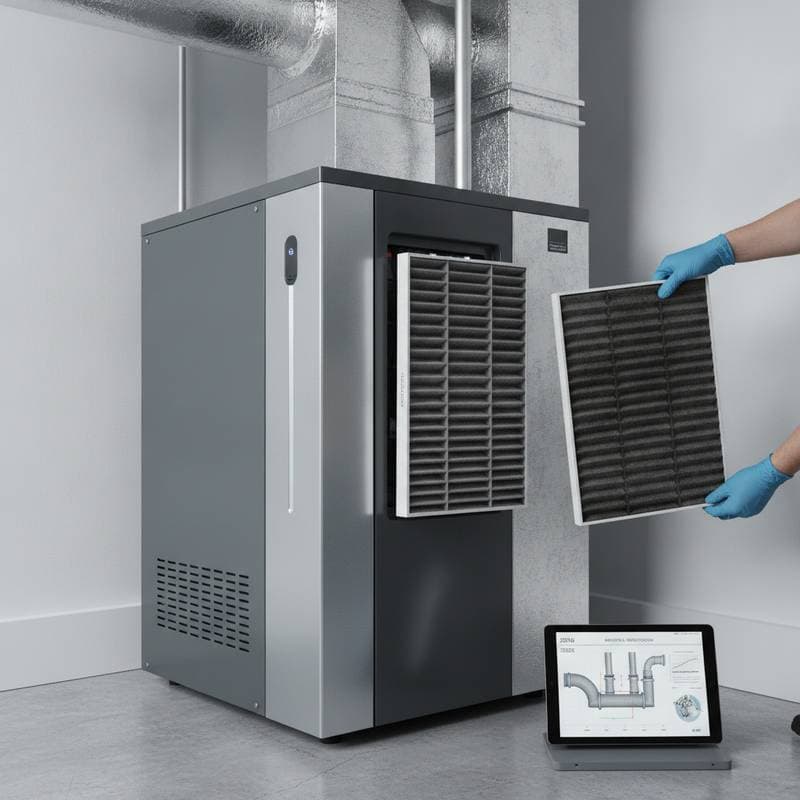
A dirty air filter impedes airflow, compelling the system to strain and heighten overheating risks. The U.S. Department of Energy indicates that a fresh filter can lower energy consumption by as much as 15 percent.
Inspect filters monthly during peak usage periods. In households with pets or elevated dust, check biweekly. Select filters matching the manufacturer's specifications for size and efficiency rating. Beyond equipment protection, a clean filter enhances indoor air quality significantly.
Ensure Clear Space Around the Condenser
The outdoor condenser requires unobstructed airflow to dissipate heat effectively from the coils. Obstructions like overgrown vegetation or stored items can elevate operating temperatures and accelerate component wear.
Proceed as follows:
- Disconnect power to the unit prior to any cleaning.
- Clear leaves, branches, and debris from the top and sides.
- Trim surrounding shrubs or grass to maintain a minimum two-foot clearance.
- Gently rinse coils using a standard garden hose, refraining from high-pressure sprays.
Such maintenance promotes optimal heat rejection, minimizing stress on internal mechanisms.
Verify and Optimize Thermostat Settings
An inaccurately set or poorly positioned thermostat leads to excessive runtime and wasted energy. Confirm the device reads 'cool' mode and aligns with desired temperatures.
Consider upgrading from manual to programmable or smart thermostats for automated adjustments. Set higher temperatures during absences and lower ones upon return. Users frequently observe substantial energy reductions in the initial year of implementation.
Inspect and Clean the Evaporator Coil
Located indoors, the evaporator coil extracts heat from room air. Dust accumulation and moisture residue gradually diminish its performance.
Remove the access panel to expose the coil, then apply a soft brush or specialized no-rinse cleaner to dislodge buildup. Professional intervention becomes necessary for heavily soiled or inaccessible coils. Regular cleaning sustains superior cooling output and mitigates internal moisture problems.
Maintain the Condensate Drain Line
As the system dehumidifies indoor air, collected water exits via the condensate drain line. Blockages from algae or debris provoke backups, risking water damage or operational halts.
Identify the drain line access point near the indoor unit. Introduce a cup of white vinegar or a mild bleach mixture monthly to inhibit algae growth. Employ a wet-dry vacuum at the exterior outlet to extract obstructions. Unimpeded drainage preserves system integrity and prevents interruptions.
Secure Electrical Connections
Frayed or loose connections induce voltage fluctuations that harm motors and compressors. Shut off power at the breaker before evaluation.
Scan for scorched wires or corrosion, then tighten accessible terminals. Immediate professional assistance is essential upon detecting discoloration or insulation odors. Proactive checks early in the season forestall disruptive and expensive electrical failures.
Evaluate System Performance
After completing maintenance, reconnect power and operate the unit. Verify consistent cool airflow from all vents and monitor for atypical sounds like rattling or humming.
Allow 15 minutes of runtime for assessment. Persistent warmth or elevated humidity signals potential refrigerant or airflow deficiencies, necessitating expert diagnosis. Early testing facilitates timely interventions ahead of intense heat waves.
Arrange Annual Professional Servicing
Homeowner efforts complement but do not replace expert evaluations. Technicians employ precision instruments to assess refrigerant levels, duct integrity, and electrical functions.
Many users experience reduced failures and energy expenses following yearly tune-ups. Request examinations of belts, bearings, and motors for wear indicators. Proper upkeep extends equipment lifespan by years compared to inconsistent care.
Monitor Ongoing Performance Indicators
Post-checklist vigilance detects emerging issues swiftly. Key alerts encompass:
- Abnormal vibrations or sounds from the outdoor unit
- Inconsistent temperatures across rooms
- Short cycling patterns
- Unexpected rises in utility bills
Address symptoms promptly to avert comprehensive breakdowns. Maintain a log of filter replacements, cleaning schedules, and observations to aid future diagnostics.
Achieve Long-Term System Reliability
Diligent adherence to this routine yields financial savings, prolonged durability, and unwavering comfort amid peak summer demands. Individual tasks require minimal time, yet their cumulative impact substantially lowers breakdown probabilities.
For those seeking comprehensive support, HVAC providers offer maintenance contracts featuring regular checks, expedited service, and repair incentives. Implement these practices from spring onward to shield your system from overload and sustain an ideal indoor environment. Efficient operation translates to reduced costs, purer air, and uninterrupted cooling.