Essential Maintenance Tasks to Prevent Summer AC Breakdowns
Summer heat demands a dependable air conditioner to maintain comfort and indoor air quality. Proper preparation of the cooling system avoids unexpected failures and escalating energy costs. Homeowners who perform routine checks before peak temperatures arrive often sidestep expensive repairs. This guide details practical maintenance steps to ensure the AC operates efficiently during the hottest months.
Conduct a Thorough Initial Inspection
Begin by visually examining the outdoor condenser unit before activating the air conditioner. Remove leaves, twigs, dirt, or grass clippings that accumulate around the base, as these obstructions hinder airflow and lead to overheating. Maintain a clearance of at least two feet on all sides to promote optimal air circulation.
Examine the condenser coil fins for bends or blockages, which reduce efficiency and strain the compressor. Gently straighten damaged fins using a fin comb or soft brush. Look for signs of rust or corrosion, which signal potential moisture issues requiring professional evaluation.
Inside the home, verify that vents and registers remain unobstructed by furniture, rugs, or drapes. Blocked pathways force the system to operate longer, consuming more energy and accelerating component wear.
Clean or Replace Air Filters Regularly
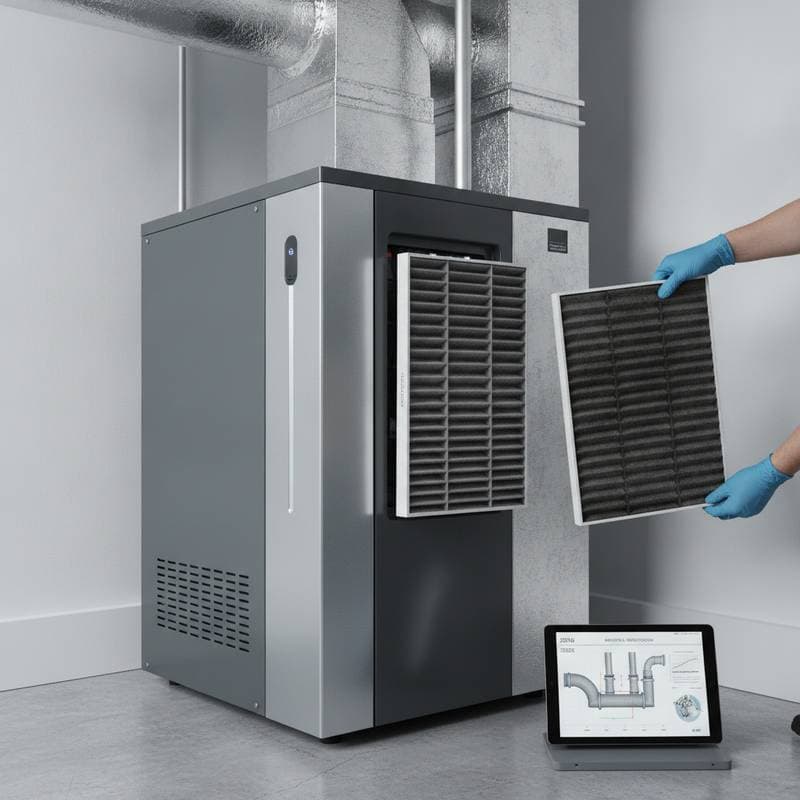
Clogged air filters rank among the primary reasons for diminished AC performance. Restricted airflow from dirty filters can cause the evaporator coil to freeze and reduce cooling capacity. During the cooling season, replace disposable filters or wash reusable ones every one to three months.
Households with pets, dust, or allergy sufferers should inspect filters monthly. Select filters with a MERV rating of 8 to 11 for balanced particle capture without excessive airflow restriction. Consult the unit's manual to confirm compatibility with higher-rated options.
Verify Thermostat Functionality and Settings
An accurate thermostat ensures the AC delivers steady cooling without unnecessary operation. Set the thermostat to a moderate temperature and observe the system's response time. Persistent long run times or frequent short cycling indicate the need for calibration or replacement.
Programmable or smart thermostats simplify management by enabling schedules and remote monitoring via apps. Users frequently report energy savings of 10 to 15 percent after installing these devices, based on discussions in online home improvement communities.
Clean Condenser and Evaporator Coils
Dirt accumulation on coils impairs the heat transfer process, compelling the system to labor excessively. For the outdoor condenser coil, first disconnect the power supply, then remove the top grille. Rinse the coils from the inside outward using a garden hose at low pressure to dislodge debris without bending fins.
Access the indoor evaporator coil by removing the panel near the blower assembly. Apply a soft brush or commercial no-rinse cleaner to eliminate dust and residue. Significant buildup or mold growth warrants professional intervention to avoid health risks and ensure thorough cleaning.
Clear and Maintain Condensate Drain Lines
As the AC dehumidifies indoor air, it generates condensate that exits through a PVC drain line. Algae, mold, or debris can obstruct this path, resulting in water leaks and potential structural damage. Flush the line with a solution of one cup white vinegar mixed with warm water every few months to inhibit growth.
If water accumulates in the drip pan, employ a wet-dry vacuum to extract the blockage. Regular maintenance prevents overflows and preserves the system's humidity control.
Test Airflow and Cooling Performance
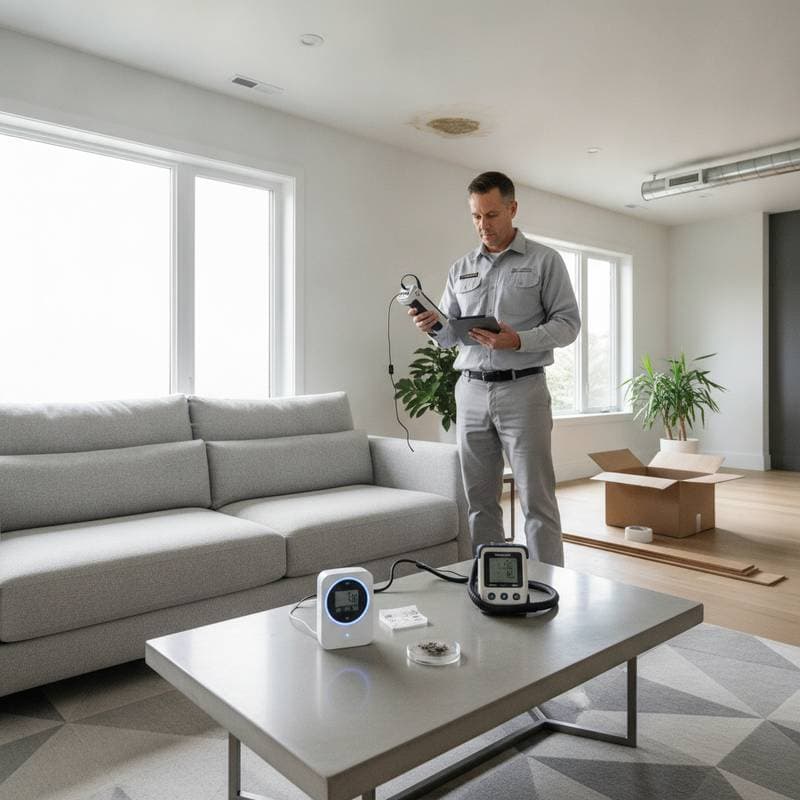
With maintenance complete, operate the AC for a minimum of 15 minutes to assess functionality. Confirm that chilled air emerges uniformly from all vents and monitor for abnormal sounds like rattling or grinding, which suggest mechanical issues.
Weak airflow or inconsistent temperatures may stem from duct leaks or blower malfunctions. HVAC experts estimate that 20 to 30 percent of cooled air escapes through unsealed ducts in average homes. Professional duct testing and sealing can enhance distribution and efficiency.
Assess Refrigerant and Electrical Systems
Insufficient refrigerant hampers cooling and risks compressor failure. Homeowners should watch for indicators like frost on refrigerant lines or unusual hissing sounds, but only certified technicians may inspect or recharge levels.
During checks, inspect electrical connections for looseness or corrosion after powering off the unit. Clean the contactor and capacitor to prevent failures under load. Prompt attention to these components averts breakdowns during intense heat.
Arrange Annual Professional Service
Homeowner efforts provide a strong foundation, yet annual professional inspections uncover issues beyond basic reach. Technicians measure refrigerant pressures, evaluate electrical integrity, and optimize performance metrics. Many providers offer service contracts with benefits like expedited repairs and seasonal discounts.
Implement Habits for Greater Efficiency
Beyond mechanical care, daily practices amplify savings. Close curtains or blinds during midday sun to minimize heat gain through windows. Seal cracks around doors and frames with weatherstripping to retain cooled air.
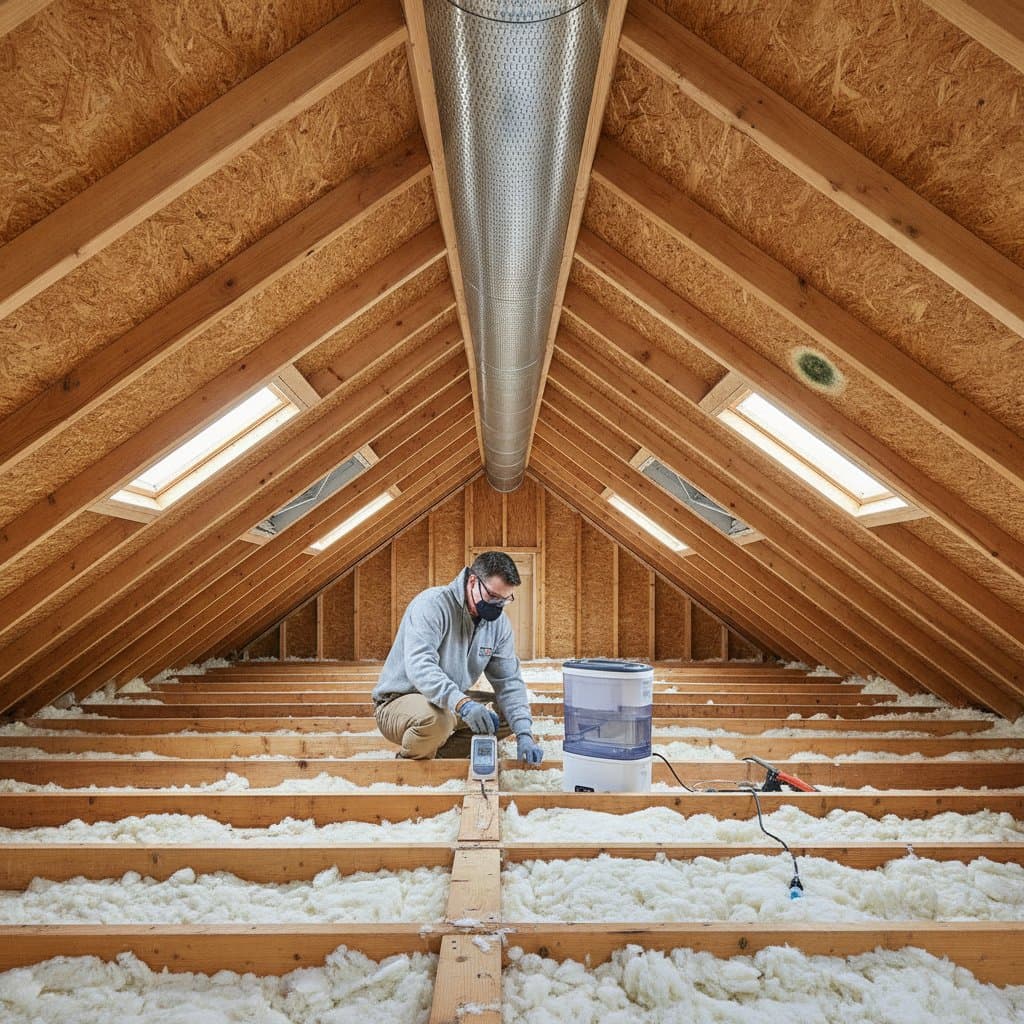
Evaluate attic insulation depth; aim for R-30 to R-49 values depending on climate zone to reduce heat infiltration. Ceiling fans set to rotate counterclockwise enhance perceived comfort, allowing higher thermostat settings without sacrifice.
Sustain Long-Term System Health
Consistent maintenance extends the AC's operational life, preserves air purity, and curbs utility expenses. A balanced system endures less strain, minimizing the need for urgent interventions. Proactive measures transform summer cooling from a potential ordeal into a seamless experience, safeguarding both comfort and finances year after year.