Essential Solar Panel Maintenance Strategies for 2025
Homeowners invest in solar panels with expectations of prompt and sustained reductions in electricity expenses. Performance often declines after several seasons, however. The cause seldom lies with the system components. Maintenance practices account for most issues. Effective solar care elevates energy output by up to 25 percent. Consistent effort and targeted approaches ensure the solar array sustains high efficiency over decades.
Factors Influencing Solar Panel Efficiency
Solar panels require steady sunlight exposure and a clear surface to achieve optimal performance. Accumulations of dirt, pollen, bird droppings, or dust obstruct light from photovoltaic cells. Even subtle buildup on panels that appear clean from below can diminish output by 10 to 15 percent.
Elevated temperatures also impact efficiency. Excessive heat on panel surfaces reduces voltage and overall energy generation. Installations lacking adequate airflow experience overheating, particularly in hot regions. Routine checks and optimal positioning mitigate these reductions.
Guidelines for Cleaning and Inspection
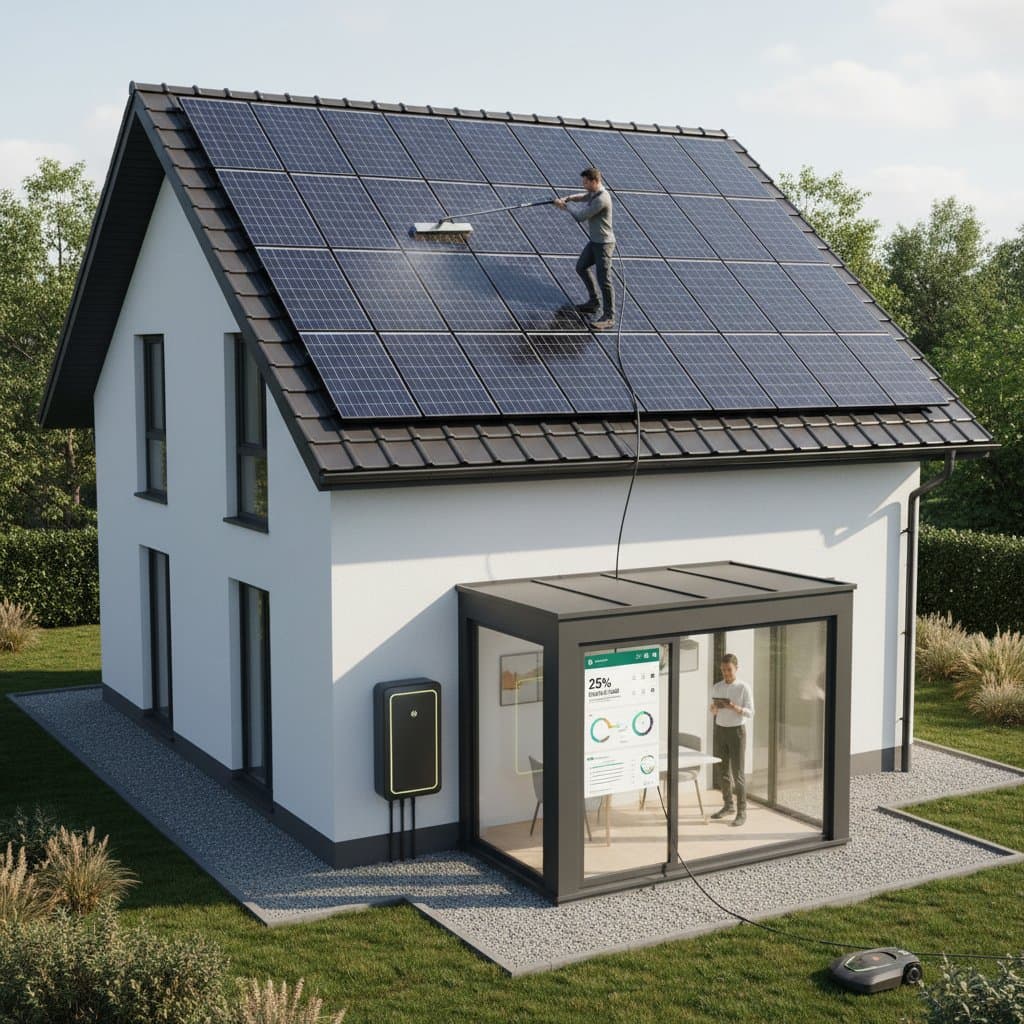
Cleaning solar panels requires care to avoid harm. Employ a soft sponge or microfiber cloth along with mild detergent and lukewarm water. Steer clear of high-pressure washers or abrasive cleaners, as they risk scratching or degrading the glass coating. Schedule cleaning for early morning hours when panels remain cool, minimizing thermal stress risks.
Conduct inspections every three months for typical residential setups. Examine for fractures, connector corrosion, or surface discoloration. Address loose wiring or compromised mounting hardware without delay. For inaccessible roof locations, engage a certified solar specialist. Professionals deliver thorough assessments that prioritize safety and structural soundness.
Implementing Performance Monitoring
Contemporary solar installations frequently incorporate real-time tracking features. These tools record daily production levels and notify users of abrupt declines. Such insights enable early detection of problems, averting costly fixes. Users report that vigilant monitoring reveals shading effects or inverter malfunctions promptly, preserving substantial energy value.
Upgrade older systems with aftermarket monitoring solutions if necessary. Devices from manufacturers such as SolarEdge and Enphase provide intuitive mobile applications linked to inverters. These platforms visualize production patterns, isolate underperforming panels, and calculate monthly financial gains from efficiency.
Seasonal Care Routines
Seasonal variations present unique obstacles to solar performance. Spring pollen and sap residue demand attention, while summer warmth heightens overheating potential. Autumn debris accumulates near bases, and winter snow may cover surfaces. Tailor routines to each period for year-round reliability:
- Spring: Flush panels with water and prune overhanging branches to eliminate shade.
- Summer: Verify airflow spaces beneath panels to enhance cooling.
- Fall: Remove fallen leaves and check mounts for rust or instability.
- Winter: Gently sweep snow using specialized soft brushes or rakes. Refrain from applying hot water, which induces cracking from rapid temperature shifts.
Adhering to this seasonal protocol preserves efficiency across varying weather conditions.
Deciding Between Self-Maintenance and Professional Services
Confident homeowners handle basic tasks safely, yet certain activities warrant expert intervention. Perform cleaning and superficial checks on accessible panels. For elevated or intricate electrical concerns, consult licensed technicians to ensure compliance and efficiency.
Expert services encompass electrical diagnostics, inverter adjustments, and comprehensive reports. Fees for inspections typically fall between 100 and 300 dollars. These investments often yield returns through restored output equivalent to hundreds of dollars in yearly savings.
Budgeting for Maintenance Expenses
Solar upkeep remains affordable with proactive planning. Allocate one to two percent of the initial installation cost annually for routine needs like cleaning and part replacements. Inverters and batteries degrade faster than panels, so anticipate their renewal to prevent unexpected outlays.
Consider maintenance agreements that cover yearly cleanings and evaluations. Such contracts frequently extend warranties or assure performance thresholds. Evaluate offerings from various providers to secure tailored value based on system scale and regional factors.
Optimizing Solar Battery Longevity
Systems with batteries demand attention beyond panel care. Ensure proper ventilation, stable temperatures, and periodic firmware updates. Lithium-ion units benefit from maintaining 20 to 80 percent charge levels, avoiding full depletion or constant maximum capacity.
Review battery metrics monthly via integrated displays. Monitor for discharge anomalies or capacity variances. Professionals advise biennial inspections to verify operational integrity and safety standards.
Prioritizing Safety in Maintenance
Solar work involves electrical and structural hazards. Deactivate the system prior to any contact with components. Select insulated implements and footwear with non-slip soles for roof access. Never step on panel surfaces, as micro-fractures impair function irreversibly.
After severe weather events like storms, evaluate mounting integrity. Secure any loosened fasteners and inspect framing stability. Delegate wiring or connector repairs to electricians experienced in photovoltaic systems.
Enhancing Long-Term System Performance
Strategic enhancements complement routine care. Microinverters or optimizers allow individual panel operation, reducing impacts from partial shading or degradation. Apply reflective coatings to roofs for cooler surfaces and stable voltage. Larger installations benefit from automated cleaning mechanisms.
Periodically reassess panel angles and directions. Evolving surroundings, such as new constructions or tree growth, alter light paths. Minor adjustments reclaim optimal exposure and elevate output.
Securing Enduring Solar Benefits
Diligent maintenance extends solar system lifespan with negligible efficiency erosion. Clean surfaces, active monitoring, and scheduled reviews establish a robust framework for savings. Early resolution of minor faults prevents escalation and safeguards investment returns.
Integrate solar care into standard household upkeep for tangible gains. Enhanced production from pristine panels, prolonged storage in optimized batteries, and secure operations follow naturally. Proactive measures, whether personal or professional, sustain low energy costs over time.
Advancements in solar technology underscore a core principle: maintenance drives success. Seasonal investments of effort yield reliable power generation for years ahead. Proactive ownership ensures panels deliver peak efficiency, fostering clean energy reliance and substantial financial advantages.