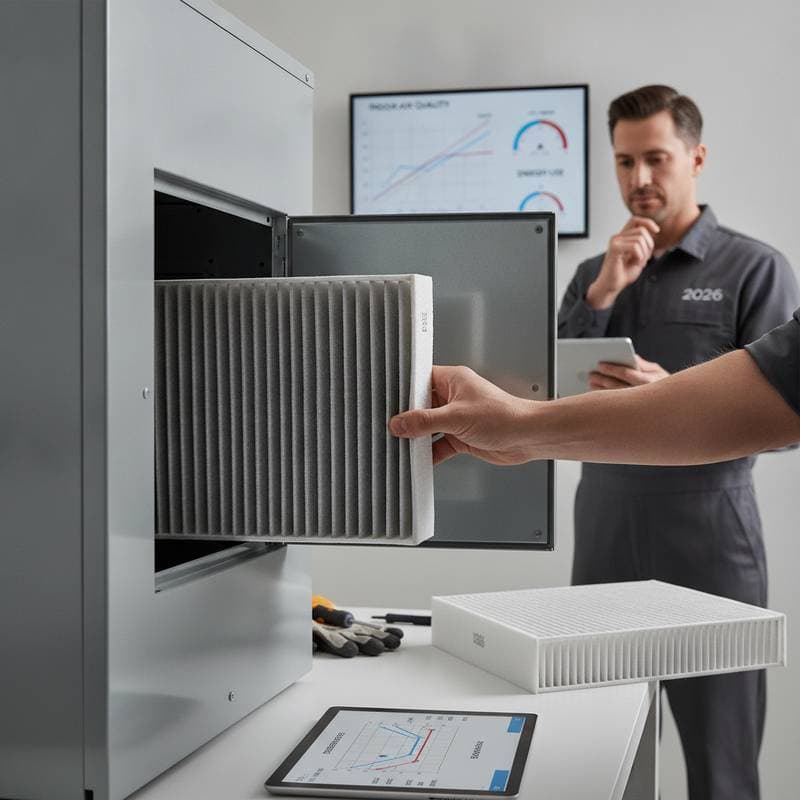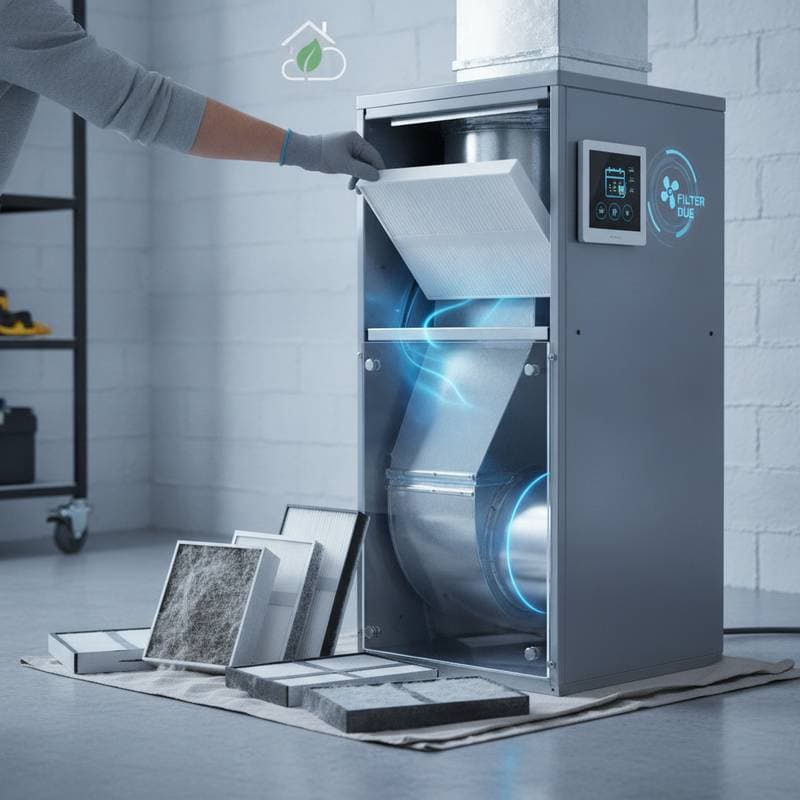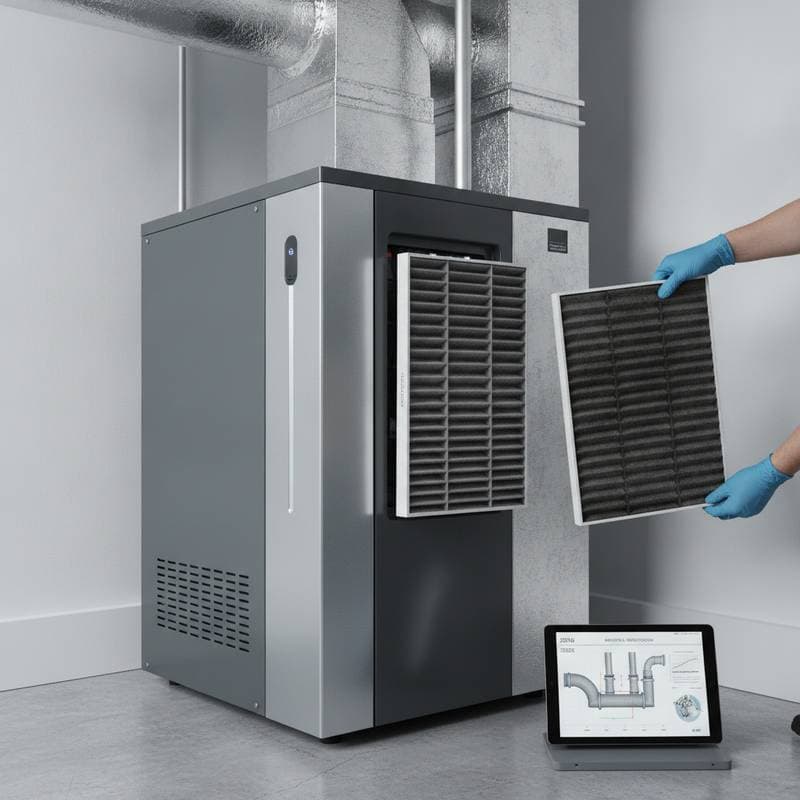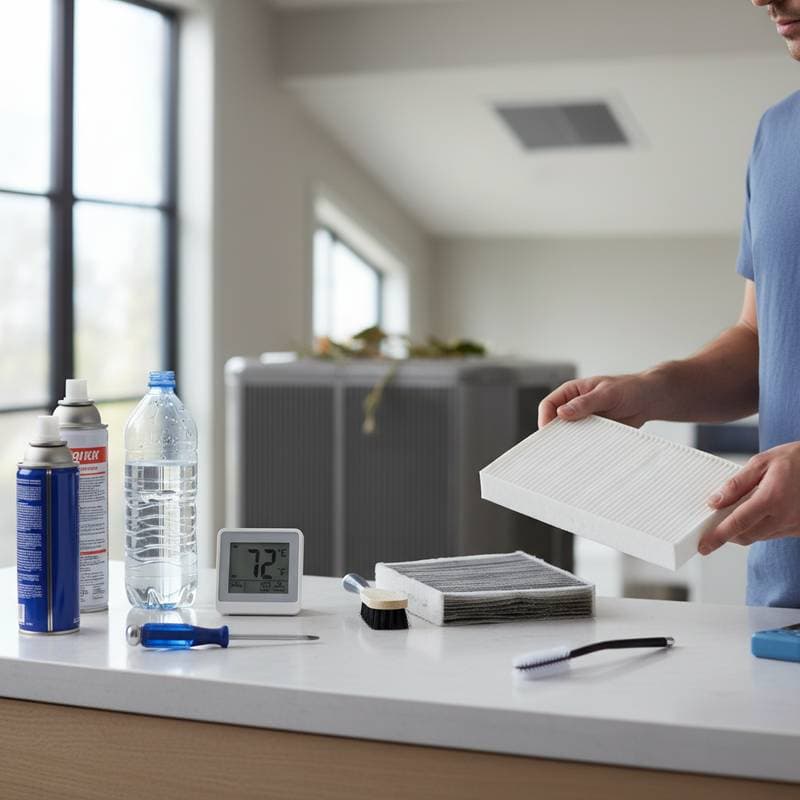
Standard filters require changes every one to three months, based on usage and household factors such as pets or allergies. High-efficiency filters may last longer but demand precise fitting to avoid airflow restrictions.
Practical advice:
Stock spare filters for the season. This practice supports timely replacements, especially during continuous summer operation.
Step 2: Clear Debris from the Outdoor Unit
The outdoor condenser unit expels heat but accumulates leaves, dirt, and grass clippings. Blockages force the system to overwork, raising energy bills and risking component failure.
Cleaning steps:
- Turn off power to the unit at the breaker.
- Remove debris with a soft brush or garden hose on low pressure; avoid high-force water that could bend fins.
- Trim nearby vegetation to maintain at least two feet of clearance around the unit.
Perform this check monthly during summer. Professional assistance may be necessary if the unit shows signs of heavy corrosion or damage.
Step 3: Verify Thermostat Settings
The thermostat controls cooling cycles and energy use. Incorrect configurations lead to inefficient operation or inadequate cooling.
Review process:
- Confirm the mode is set to cool.
- Adjust the temperature to a comfortable level, typically 72 to 78 degrees Fahrenheit, to balance efficiency and comfort.
- For programmable models, ensure schedules align with daily routines.
Upgrading to a smart thermostat optimizes performance. Such devices adjust automatically, potentially reducing cooling expenses by up to ten percent.
Step 4: Inspect the Condensate Drain Line
The drain line removes moisture from the evaporator coil. Clogs cause water backups, leading to leaks, mold growth, or system shutdowns.
Inspection and maintenance:
- Locate the drain line, often a PVC pipe exiting the indoor unit.
- Check for standing water or algae buildup; flush with a vinegar-water solution if needed.
- Ensure the drain pan beneath the coil remains dry and clean.
Clear the line every three months or after heavy rain. Persistent issues require professional evaluation to prevent water damage.
Step 5: Examine Power Supply and Connections
Electrical issues disrupt power flow and cause intermittent failures. Visual checks reveal problems without risking personal safety.
What to inspect:
- Search for frayed wires, damaged insulation, or loose connections at the unit.
- Note any corrosion on terminals or repeated breaker trips.
- Verify the disconnect switch near the outdoor unit functions properly.
Contact a licensed technician for any abnormalities. They can secure connections, measure voltage, and prevent hazards like short circuits.
Step 6: Assess Ducts and Vents
Ducts and vents distribute cooled air evenly. Leaks, blockages, or closed registers create uneven cooling and reduce efficiency.
**Maintenance actions:**n1. Inspect visible ducts for gaps, dents, or insulation wear; seal small leaks with mastic tape.
2. Ensure all supply and return vents remain open and free of furniture or rugs.
3. Feel for consistent airflow from each vent; weak flow indicates restrictions.
Annual duct cleaning by professionals benefits older systems. This step improves overall distribution and lowers energy use.
Step 7: Clean the AC Coils
Coils transfer heat inside and outside the home. Dirt accumulation impairs this process, causing the system to cycle longer and fail prematurely.
Basic cleaning method:
- Disconnect power at the breaker and thermostat.
- Access the evaporator coil indoors and condenser coil outdoors; vacuum loose dirt gently.
- Spray with a specialized coil cleaner, allowing it to penetrate and rinse away residue.
Limit DIY efforts to light cleaning. Technicians handle thorough cleanings during tune-ups, often including fin straightening.
Step 8: Monitor Refrigerant Levels
Refrigerant circulates to absorb and release heat. Low levels from leaks reduce cooling capacity and damage the compressor.
Signs of trouble:
- Extended run times without sufficient cooling.
- Frost on lines or coils.
- Unusual noises like hissing from the units.
Homeowners identify symptoms but leave recharging to certified experts. Early detection avoids repairs costing thousands.
Preparing for Seasonal Demands
Pre-summer preparation:
- Complete all filter and coil cleanings.
- Test full system operation on a mild day.
- Schedule a professional inspection if the unit exceeds five years in age.
Mid-season monitoring:
- Check filters and drains monthly.
- Monitor for performance changes, such as unusual sounds or odors.
- Adjust settings based on weather forecasts.
Post-season care:
- Clean the outdoor unit thoroughly.
- Store accessories properly and plan off-season servicing.
Consistent routines preserve system reliability and comfort.
Strategies to Maximize Efficiency
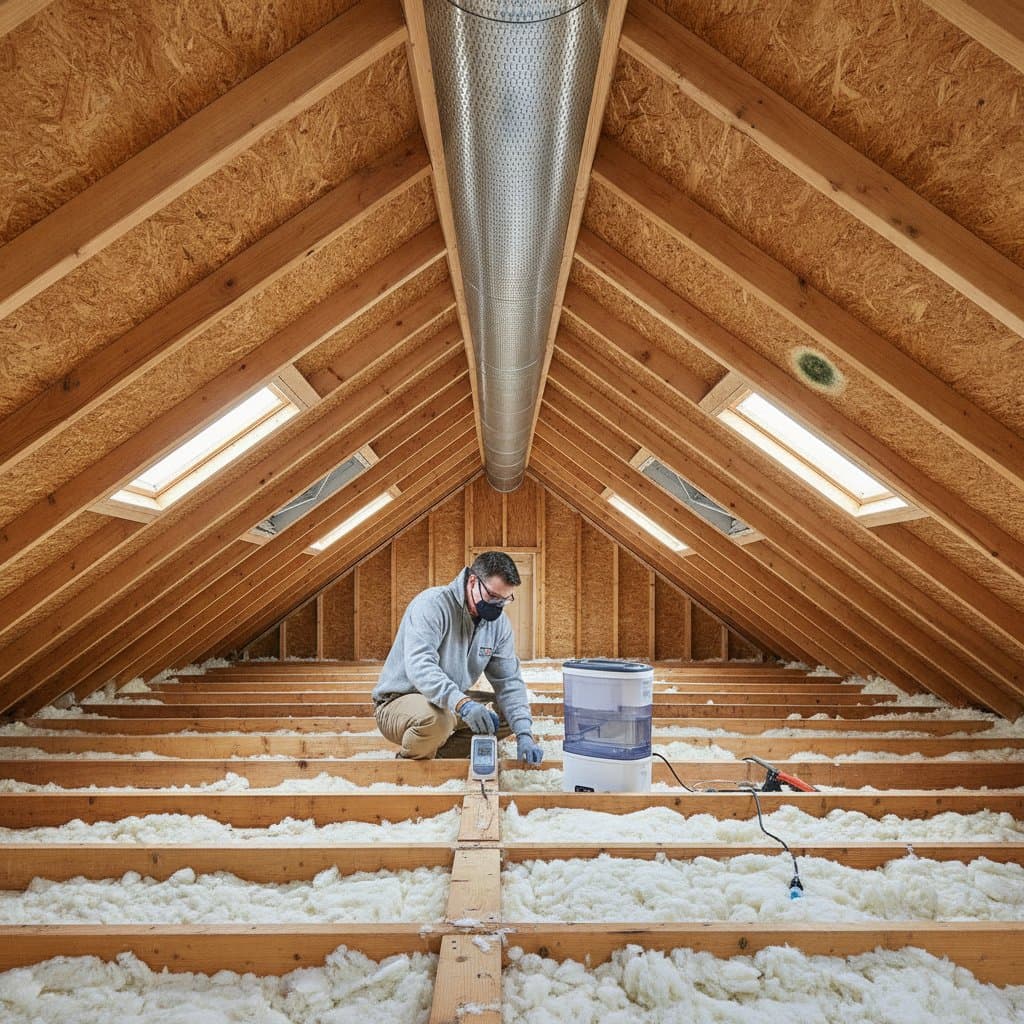
Homeowners save costs by combining DIY tasks with targeted professional help. Install ceiling fans to circulate air and reduce AC runtime. Seal windows and add insulation to minimize heat gain.
Track monthly energy bills for anomalies, which often point to maintenance needs. If the system approaches 10 to 15 years old, consider energy-efficient replacements for long-term savings.
Keys to Long-Term AC Reliability
Maintain a record of all service activities to track patterns and support warranty claims. Address uneven cooling by verifying vent openness before complex diagnostics. Adhere to model-specific guidelines for cleaners and intervals.
Test indoor humidity levels regularly, as excess moisture strains the system. These practices ensure the AC delivers consistent performance year after year.