Understanding Mold Remediation Costs in 2025
Mold develops silently yet proliferates rapidly, and its presence in a residence demands prompt attention. Cleanup efforts often prove expensive, with many homeowners surprised by the estimates they receive. Expenses hinge on mold variety, infestation location, damage scope, and remediation techniques employed. Knowledge of these costs enables better financial planning and prevents excessive outlays.
The Process of Mold Remediation
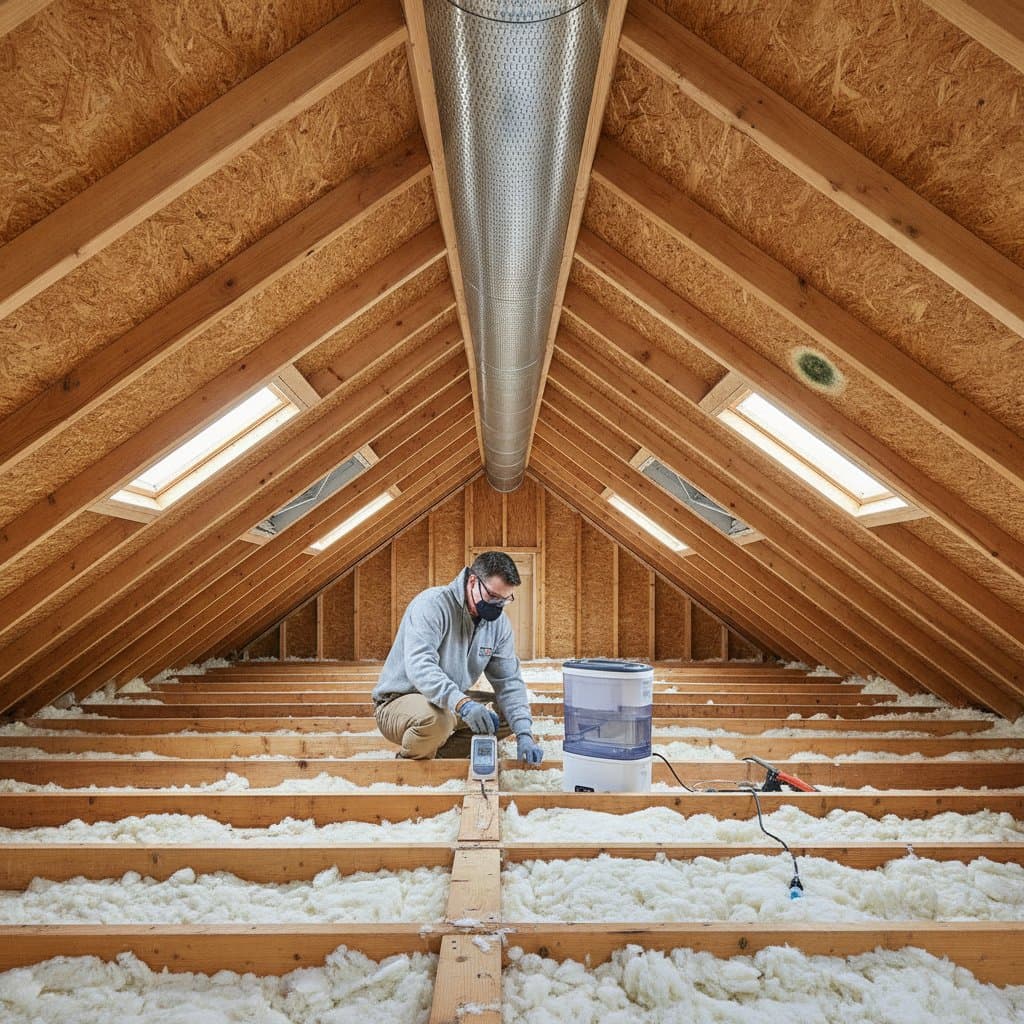
Mold remediation extends beyond surface cleaning of visible growths. Professionals follow a systematic approach that encompasses inspection, containment, elimination, and safeguards against recurrence. Upon arrival, the team conducts a thorough assessment using tools such as moisture meters and air samplers to detect both apparent and concealed growths in areas like behind drywall, beneath flooring, or within HVAC units.
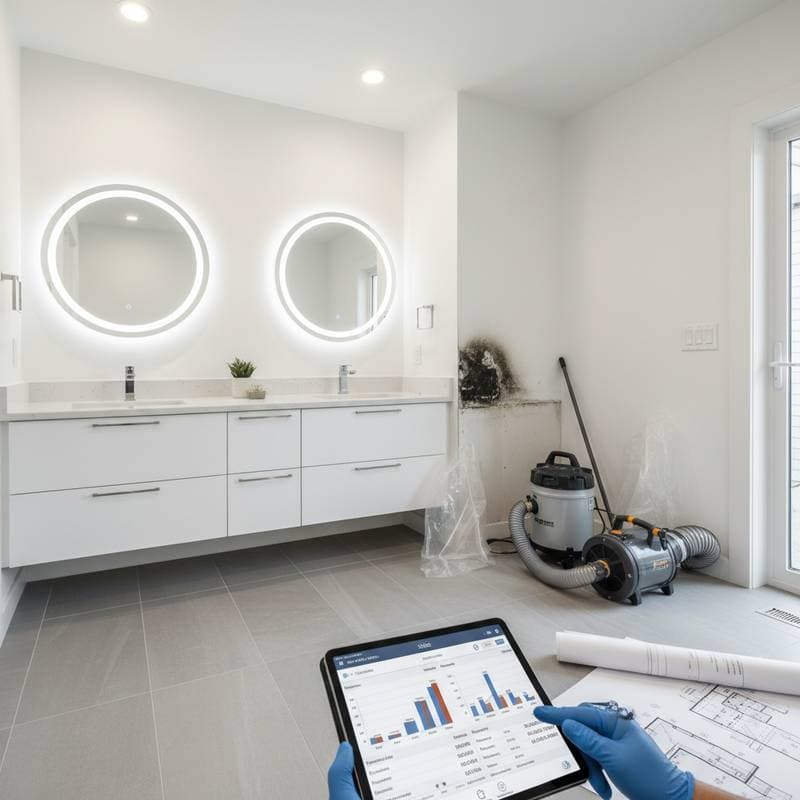
Next, technicians isolate the site with plastic barriers to halt spore dissemination. They deploy air scrubbers and negative pressure equipment to sustain purified air circulation throughout removal. Damaged items including drywall, insulation, and carpeting receive secure bagging and disposal. Surfaces undergo treatment with antimicrobial agents, followed by air quality verification to ensure habitability.
Expenses by Affected Home Area
Remediation pricing fluctuates based on the infestation site. Below are typical ranges that homeowners encounter:
- Bathroom mold treatment: $500 to $1,500. High humidity and inadequate airflow make bathrooms susceptible. Expenses remain modest for growth confined to grout or caulk, but rise with involvement of drywall or subflooring.
- Basement or crawl space treatment: $2,000 to $6,000. Elevated moisture and restricted circulation foster extensive growth. Areas with insulation or wooden supports demand additional drying and sealing measures.
- Attic treatment: $1,500 to $4,000. Leaks from roofs or ventilation deficiencies trigger infestations, and limited access elevates labor demands.
- HVAC system treatment: $2,000 to $10,000. Growth within ducts disperses spores home-wide, necessitating advanced vacuums and sanitizers for cleanup.
- Full-home treatment: $10,000 to $30,000 or higher. Widespread cases across rooms require comprehensive isolation, dehumidification, and potential rebuilding.
Pricing Influenced by Mold Variety
Cleanup complexity varies with mold type, affecting both methods and costs.
- Surface-level mold: Prevalent in bathrooms and kitchens, this form allows straightforward removal at $500 to $2,000.
- Concealed mold: Located behind walls or under floors, remediation demands demolition and repair, costing $2,000 to $6,000.
- Black mold (Stachybotrys chartarum): Noted for toxic emissions, its handling averages $3,000 to $10,000, due to rigorous isolation and equipment requirements.
One homeowner on Reddit reported a black mold remediation in a 1,600-square-foot residence costing nearly $8,500 following a plumbing failure. This aligns with national figures indicating toxic cases surpass $5,000, driven by stringent safety measures and verification processes.
How Experts Determine Remediation Pricing
Firms calculate quotes based on affected area size, contamination level, and material types. Initial inspections range from $300 to $600, often credited toward total costs upon service engagement.
Area measurement proves central, with charges of $10 to $25 per square foot. A 200-square-foot basement section with dense growth might total $4,000 to $5,000 for cleansing and restoration. Pricing adjusts further for porous substrates like wood versus nonporous ones like tile.
Comparing DIY Efforts and Professional Services
Certain homeowners address minor issues independently, though experts recommend professional intervention for safety and efficacy. DIY suits surface growth under 10 square feet, involving detergent-water scrubbing and disinfectant application after moisture source correction.
Professionals prove essential in these scenarios:
- Growth exceeds 10 square feet.
- Infestation reappears post-cleanup.
- HVAC components or insulation show involvement.
- Residents experience symptoms like coughing or migraines indoors.
DIY supplies cost less than $100, yet incomplete efforts risk regrowth and escalated future expenses. Experts provide isolation, complete dehumidification, and recurrence barriers for lasting protection.
Navigating Insurance and Personal Expenses
Standard policies cover mold from covered events like pipe bursts or roof failures, but exclude neglect-related causes such as chronic humidity. Coverage may span $1,000 to $10,000 based on limits. Residents in moist climates benefit from adding mold riders to policies.
Without insurance, full payment falls to the homeowner. Some firms extend installment options or financing for substantial undertakings.
Strategies to Prevent Mold Recurrence
Prevention outpaces remediation in cost-effectiveness through moisture management. Consider these measures:
- Address leaks promptly. Minor drips beneath fixtures can spawn hidden growth.
- Enhance airflow. Install exhaust systems in wet areas and clear attic openings.
- Regulate humidity levels. Maintain 30 to 50 percent indoors; employ dehumidifiers in damp zones.
- Perform routine cleaning. Organic residues fuel growth; regularly surface-wipe and launder textiles.
- Post-storm assessments. Undetected water entry behind barriers or below floors invites problems.
Annual preventive efforts typically total under $300, far below remediation figures.
Insights from Experienced Homeowners
Those who have navigated remediation emphasize obtaining several detailed bids from certified providers, such as IICRC-accredited firms. These adhere to proven protocols for safety and verification.
Steer clear of assurances of absolute eradication, as spores persist environmentally. Reputable services prioritize sanitation, drying, and proactive controls over improbable guarantees.
Safeguarding Home Value and Well-Being
Remediation, though daunting, preserves asset worth and resident health. Ongoing checks and humidity oversight minimize repeat risks. Retain all records including reports, tests, and invoices.
A mold-free environment enhances safety and market appeal. Prospective buyers value documentation of prior treatments, bolstering sale confidence.
Grasping remediation costs and procedures equips homeowners to budget effectively, select reliable experts, and sustain a secure, enduring living space.