Essential AC Checks to Avoid Summer Breakdowns
Summer heat places immense demands on home air conditioning systems. Homeowners often discover issues only when the unit fails to cool effectively or ceases operation entirely. Regular preventive maintenance and seasonal inspections help avert such problems, reduce energy expenses by up to 15 percent, and prolong system durability. This guide outlines key inspection areas for homeowners, covering tasks suitable for DIY efforts alongside those requiring expert intervention, to prepare your AC for peak performance.
Step 1: Inspect the Power Supply and Thermostat
A functional air conditioner relies on a stable power source. Start by examining electrical connections at the outdoor condenser unit and the indoor air handler. Verify that circuit breakers remain in the on position and inspect wires for signs of looseness or fraying.
Next, evaluate the thermostat's operation. Cycle through heating and cooling settings to ensure immediate response. If the display appears blank or reacts slowly, install fresh batteries. For smart thermostats, perform software updates and recalibration prior to the season's onset. Precise temperature control enhances both comfort levels and energy conservation.
Step 2: Examine and Replace Air Filters
Dirty air filters restrict airflow, forcing the system to work harder and consume more energy. Locate the filter, typically housed in the return air duct or near the indoor unit, and inspect its condition.
Hold the filter up to a light source; if little light passes through, replacement becomes necessary. Opt for filters with a MERV rating of 8 to 13 for balanced filtration and airflow. Change filters every one to three months during heavy use, or more frequently in dusty environments. Cleanable filters require gentle vacuuming or washing according to manufacturer guidelines. Proper filter maintenance alone can improve efficiency and lower utility bills.
Step 3: Clear the Outdoor Condenser Unit
The outdoor condenser unit demands unobstructed airflow for optimal heat dissipation. Debris such as leaves, grass, and dirt accumulates around the fins, impeding performance and raising operating temperatures.
Proceed with these steps:
-
Shut off power via the disconnect box near the unit.
-
Clear large debris from the surrounding area.
-
Gently brush or vacuum the fins using a soft-bristle tool.
-
Use a fin comb to straighten any bent fins without applying excessive force.
-
Maintain at least two feet of clearance by trimming nearby vegetation.
High-pressure water sprays risk damaging fins or embedding dirt further; instead, rely on low-pressure rinsing if needed.
Step 4: Inspect and Clean Evaporator and Condenser Coils
Coils in both the indoor evaporator and outdoor condenser facilitate heat exchange. Dust and grime buildup on these surfaces diminishes cooling capacity and increases energy demands.
Visually check accessible coils for dirt accumulation. For the indoor evaporator coil, often located above the furnace or air handler, remove the access panel after powering down the system. Use a soft brush to dislodge surface dirt, followed by a no-rinse coil cleaner spray if available. Outdoor condenser coils receive attention during the clearing process in Step 3. Severe buildup or inaccessible areas necessitate professional deep cleaning to restore efficiency.
Step 5: Assess Refrigerant Levels
Insufficient refrigerant impairs cooling while indicating potential leaks that threaten compressor integrity. Homeowners should identify warning signs without directly managing refrigerant.
Observe for frost formation on refrigerant lines, unusual hissing noises from the unit, or air from vents that feels insufficiently cool. Certified HVAC professionals alone possess the legal authority to measure and replenish refrigerant levels. Promptly contact an expert upon detecting these indicators, as operating with low refrigerant risks compressor overheating and premature failure.
Step 6: Evaluate Ducts and Vents
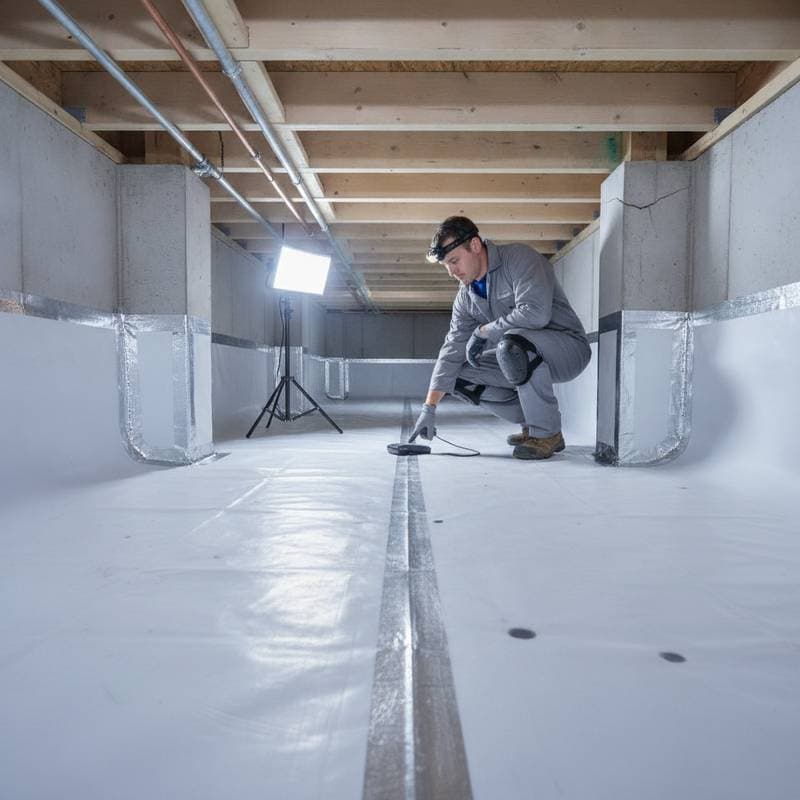
Leaky or obstructed ducts and vents compromise system efficiency by allowing conditioned air to escape or fail to circulate properly. Inspect visible ductwork in attics, basements, or crawl spaces for gaps, tears, or disconnected sections.
Seal minor leaks using mastic sealant or foil tape, avoiding cloth-backed duct tape which deteriorates over time. Ensure all supply and return vents remain open and free of dust or blockages; vacuum registers as needed. For comprehensive duct testing and sealing, engage a professional to use specialized equipment that detects hidden issues. Well-maintained ducts can prevent up to 20 percent of energy loss in some systems.
Step 7: Lubricate Moving Parts and Inspect Belts
Smooth operation of fans, motors, and belts ensures consistent air circulation. Contemporary systems often feature sealed bearings exempt from routine lubrication, yet older units benefit from periodic attention.
Listen for unusual squeals or grinding during operation, which signal dry components or deteriorating belts. Power down the system before accessing internal areas. Apply manufacturer-recommended lubricant to accessible bearings via designated ports. Inspect belts for cracks, fraying, or excessive slack; replace them proactively to avoid motor strain. Early intervention on these elements averts costlier repairs down the line.
Indicators for Professional Service
Homeowners handle basic cleaning and visual checks effectively, but certain diagnostics demand professional expertise and equipment. Standard professional services encompass:
-
Measurement of refrigerant pressures and operating temperatures
-
Thermostat and sensor calibration
-
Evaluation of electrical components for corrosion or degradation
-
Thorough cleaning of internal coils and blower mechanisms
-
Assessment of capacitor function and electrical current draw
Schedule an annual professional tune-up to sustain peak efficiency. Many service providers offer maintenance contracts that bundle seasonal inspections with expedited emergency response. One homeowner shared in an online forum how a modest $100 spring service averted a $1,000-plus compressor replacement, underscoring the value of timely professional care.
Optimal Timing for AC Inspections
Conduct comprehensive AC evaluations prior to the cooling season's start. This timing allows for part procurement and ensures readiness on the earliest warm days.
In regions with elevated pollen or dust levels, perform mid-season filter replacements to sustain performance. Following extended runtime, a gentle rinse of the outdoor unit preserves airflow. At season's end, deactivate power to the condenser and apply a breathable cover to shield against debris accumulation. Steer clear of plastic enclosures that retain moisture and promote corrosion.
Safeguard Your System for Long-Term Savings
Beyond temperature regulation, a dependable AC unit preserves household furnishings, safeguards electronics, and upholds indoor air quality. Consistent maintenance routines curtail operational expenses and extend equipment longevity.
Maintain a straightforward record of filter replacements, service appointments, and any repairs. Such documentation aids in pinpointing patterns of wear and bolsters warranty assertions for premature component failures. Proactive measures eliminate the anxiety of unexpected outages. Through diligent seasonal inspections, homeowners secure reliable cooling precisely when temperatures soar highest.