5 Essential HVAC Tasks to Prevent Winter Breakdowns in 2025
Winter temperatures demand a dependable heating system. A properly maintained HVAC setup delivers consistent warmth, avoids expensive repairs, and minimizes energy loss. Homeowners who delay maintenance until the first freeze often face system failures. Completing key tasks in advance ensures reliable operation and eliminates the need for urgent service.
The following five tasks form a comprehensive plan for winter readiness. Each step addresses common issues that lead to breakdowns, promoting efficiency and longevity.
1. Schedule a Professional Inspection
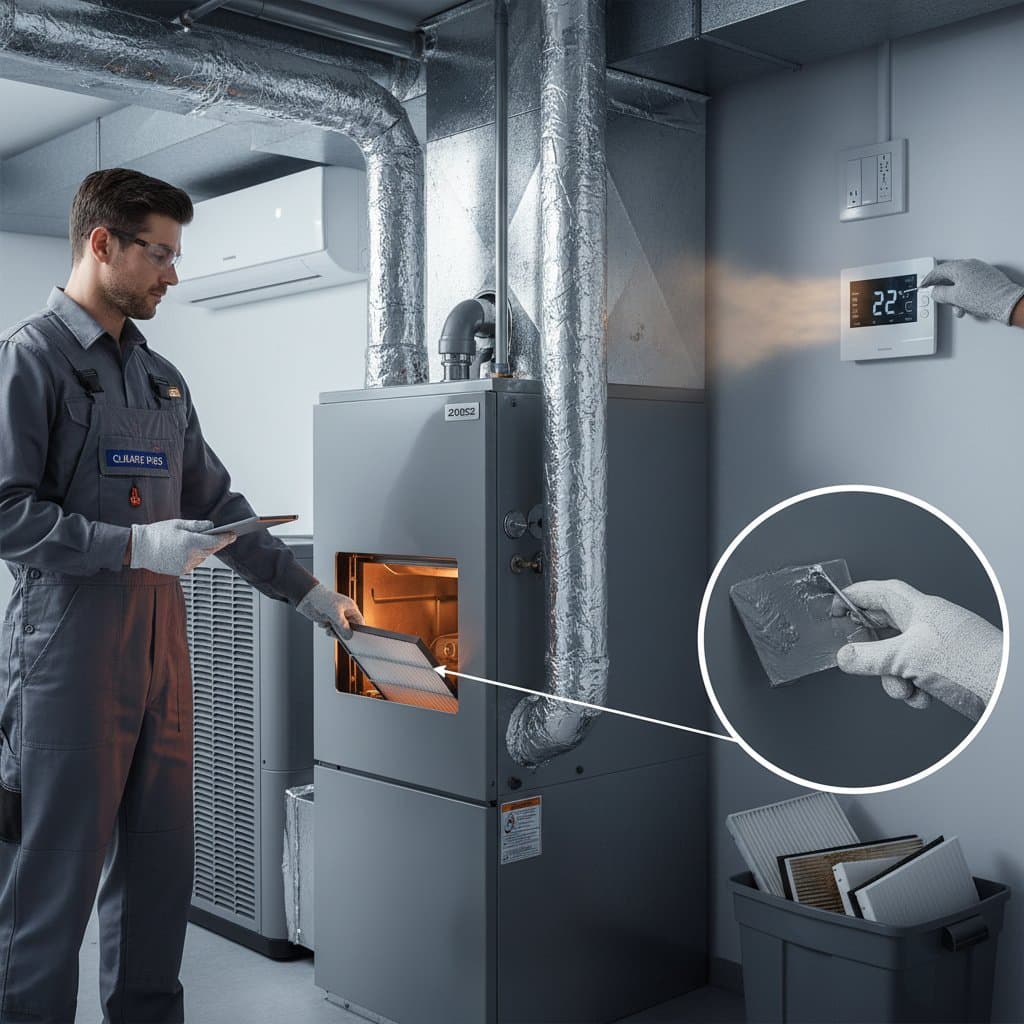
A thorough inspection by a qualified technician identifies potential problems before they worsen. Technicians examine the furnace, heat exchanger, and electrical components for wear or damage. They also test safety controls and measure system performance to confirm optimal operation.
Benefits of Early Detection
Early identification prevents issues such as cracked heat exchangers, which pose safety risks and require immediate replacement. Technicians clean burners and lubricate moving parts, reducing friction and extending equipment life. Schedule this inspection in late fall, ideally before the heating season begins, to allow time for any necessary repairs.
What to Expect
During the visit, the technician will run the system through a full cycle, checking for unusual noises or vibrations. They measure airflow and temperature differentials to verify efficiency. Homeowners receive a detailed report with recommendations, empowering informed decisions about maintenance or upgrades.
Professional inspections provide peace of mind and often qualify for manufacturer warranties. They serve as the foundation for all other maintenance efforts.
2. Replace or Clean Filters Regularly
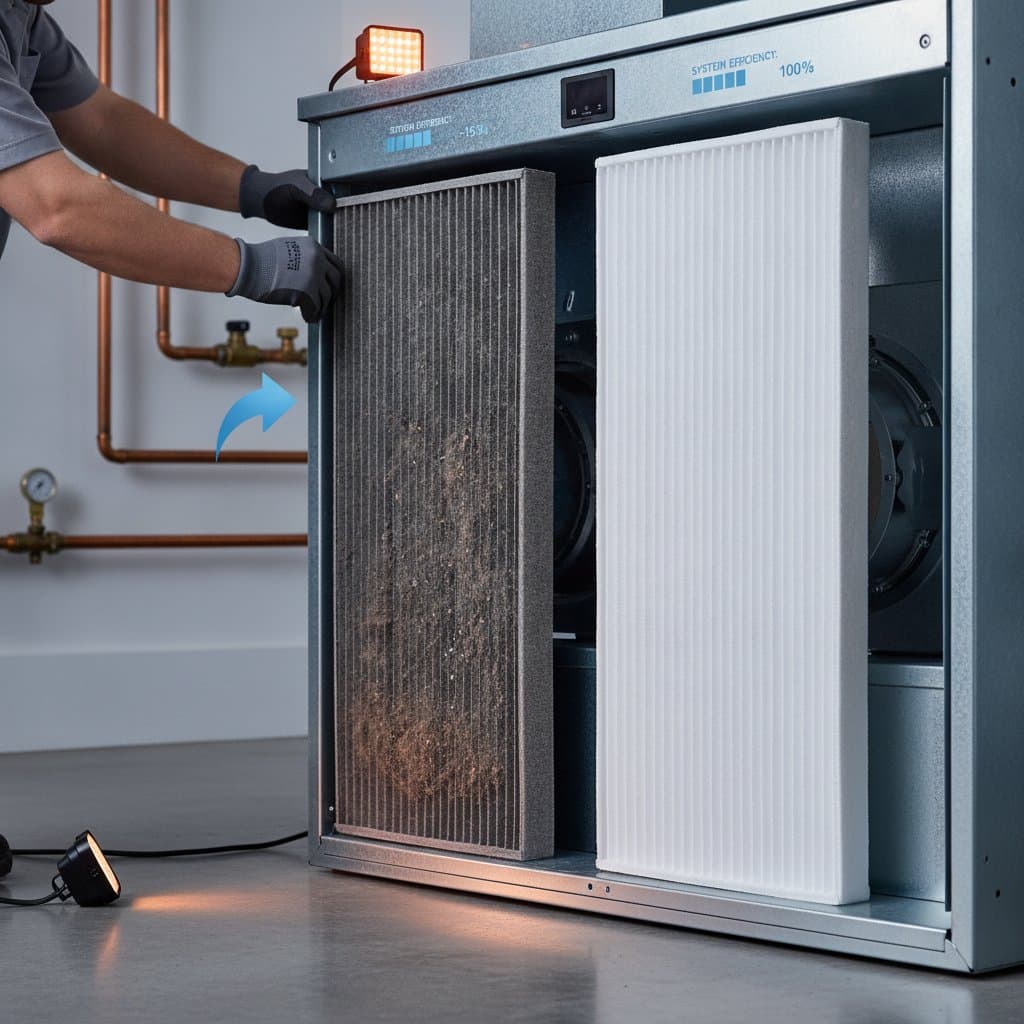
Clogged air filters rank among the primary reasons for reduced HVAC performance. Dust and debris accumulation restricts airflow, compelling the system to strain. This increased workload raises energy costs, accelerates wear, and causes inconsistent heating.
How Often to Change Filters
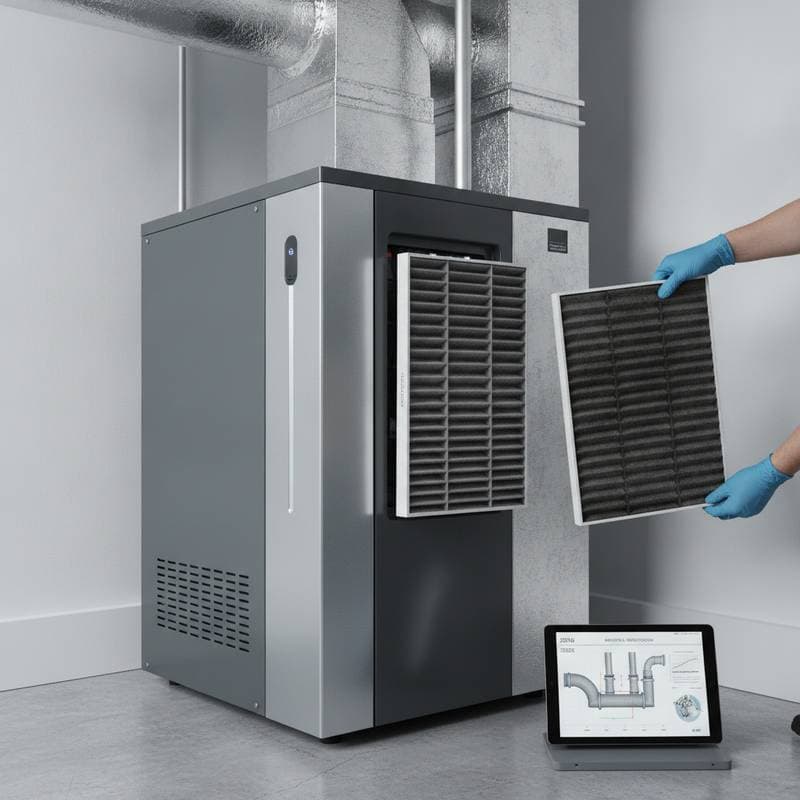
Experts advise inspecting disposable filters monthly during heating months and replacing them every two to three months. Residences with pets, tobacco use, or elevated dust require more frequent replacements. For washable filters, clean and dry them completely prior to reinstallation to prevent mold development.
Many homeowners discover severely clogged filters that cause furnaces to overheat and shut down. Restricted airflow confines heat within the unit, activating protective sensors. Regular replacement offers a straightforward, low-cost solution to this frequent oversight.
Choosing the Right Filter
Filters carry MERV ratings, which indicate particle capture efficiency. Higher ratings trap finer particles, though excessively high values may impede airflow in standard systems. Residential units typically benefit from MERV 8 to 11 filters. Consult an HVAC professional to select the appropriate type for your equipment.
Clean filters enhance indoor air quality, limit dust on coils and ducts, and enable quieter, more efficient operation.
3. Seal Ducts to Prevent Leaks
Leaky ducts waste up to 30 percent of heated air, forcing the system to cycle more frequently. Seals degrade over time due to age, pests, or vibrations, creating gaps that allow warm air to escape into attics or crawl spaces.
Inspecting for Leaks
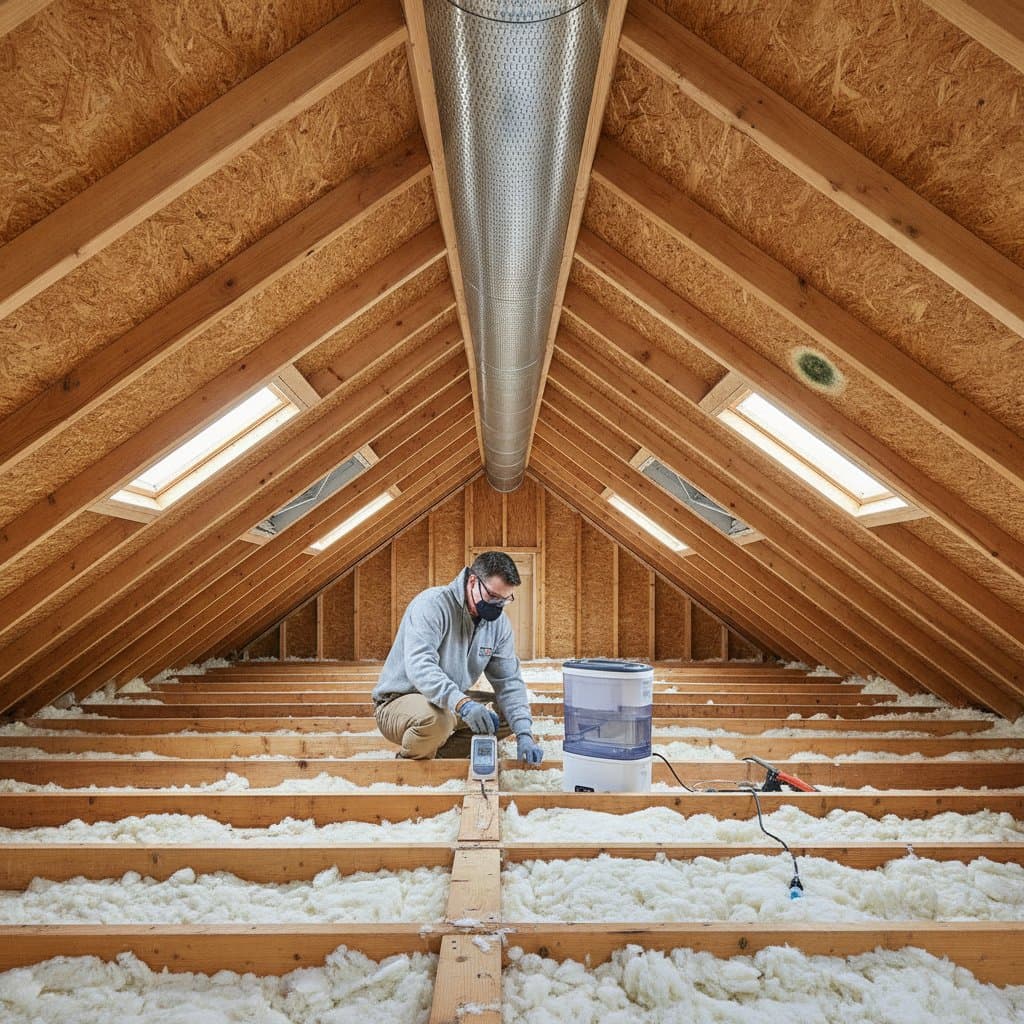
Examine visible ducts in basements, attics, and crawl spaces for separations, holes, or disconnected joints. Use a flashlight to spot dust trails or temperature differences along the runs. Pressurize the system with a fan during inspection to reveal escaping air through small openings.
Sealing Techniques
Apply mastic sealant or foil tape to joints and seams, avoiding cloth-backed duct tape, which deteriorates quickly. For larger gaps, install aeroseal technology through professional services, which fills leaks from inside the ducts. After sealing, test the system to confirm improved airflow and balanced temperatures across rooms.
Sealed ducts boost efficiency, even out heating, and reduce strain on the furnace. This task requires attention to detail but yields significant energy savings.
4. Test Your Thermostat and Controls
The thermostat functions as the central hub for HVAC operations. Inaccurate readings or faulty communication disrupt even well-maintained systems, leading to improper heating cycles.
Calibration and Function Testing
Raise the thermostat setting several degrees above the current room temperature to verify furnace activation. Delays or failures may stem from loose connections or depleted batteries. Compare the display to a separate thermometer; discrepancies exceeding two degrees signal calibration needs.
Smart thermostats adjust heating according to occupancy and outdoor conditions. Upgrading to a Wi-Fi model often reduces costs by 10 to 15 percent. These units alert users to maintenance requirements or irregularities, averting problems proactively.
Placement Considerations
Position thermostats on interior walls, distant from windows, heat sources, or drafts. Incorrect locations cause misreadings, resulting in uneven temperatures or excessive cycling. Relocate units near doors or vents if necessary to achieve precise control.
Pre-winter testing guarantees accurate, responsive performance throughout the season.
5. Clean and Clear Vents, Registers, and Outdoor Units
Effective air circulation sustains HVAC functionality. Obstructions in vents or outdoor components hinder warm air distribution, compelling the system to labor excessively.
Indoor Airflow Maintenance
Inspect all supply and return vents throughout the home. Shift furniture, rugs, or drapes that impede flow. Vacuum grilles to eliminate dust and pet hair. Dark marks near vents suggest duct leaks or filter neglect.
Dust accumulation within vent covers can reduce airflow by over 25 percent. Routine cleaning requires minimal time yet enhances overall comfort.
Outdoor Unit Care
For heat pump systems, clear the outdoor unit of leaves, snow, and debris. Maintain at least two feet of clearance from vegetation to facilitate airflow. Disconnect power before servicing to prevent accidents. Straighten bent coil fins and remove dirt using a soft brush or manufacturer-recommended cleaner.
Remove snow or ice buildup with a broom or plastic tool, avoiding sharp implements that harm fins or lines. Blocked outdoor units risk overheating or automatic shutdowns.
Strategies for Long-Term Reliability
Effective HVAC maintenance demands regular attention and expert input. Combine personal efforts with professional support for optimal results. The following approaches aid in sustaining system health.
Maintain a Service Record
Document filter changes, inspections, and repairs with dates. This record highlights trends, such as rapid filter clogging or seasonal service needs. Digital tools from HVAC providers simplify tracking and reminders.
Verify Carbon Monoxide Detectors
Homes with gas furnaces require functional carbon monoxide detectors. Test units monthly and replace batteries annually during heating periods. Faulty furnaces may emit hazardous gases without obvious signs, making this check vital for safety.
Track Energy Consumption
Use smart thermostats or utility monitors to observe usage patterns. Sudden increases indicate restrictions, leaks, or component failures. Prompt action preserves energy and curbs repair expenses.
Evaluate Service Agreements
Annual plans from contractors typically cover two inspections, expedited service, and repair discounts. These options deliver convenience and efficiency gains that offset costs.
Assess Replacement Needs
Aged systems, over ten years old with recurring issues, lose efficiency. High-efficiency replacements feature variable-speed motors and adaptive controls for demand-based operation, ensuring consistent comfort with reduced energy use.
Sustaining Comfort and Efficiency
HVAC systems constitute major home investments. Proper upkeep safeguards value and guarantees dependable heating each winter.
Familiarity grows through routine checks for noises, temperature variations, or air quality shifts. These observations detect issues early, preventing escalation.
Consistent maintenance yields lower bills, smoother operation, and reduced emergencies. Perform basic tasks personally or partner with professionals. Initiate care early for enduring benefits and reliable warmth.