Stay Cool This Summer: Prepare Your AC Before the Heat Arrives
When temperatures rise, the air conditioner serves as the primary system for maintaining home comfort. Many homeowners discover system issues only during the initial heatwave. Preparation in advance prevents breakdowns, enhances energy efficiency, and controls cooling expenses. A properly maintained air conditioning unit sustains comfort and prolongs equipment durability. This guide details preparation methods, essential inspections, professional service timing, and strategies for sustained performance throughout the season.
The Importance of Early AC Preparation
Air conditioners operate under maximum strain during high outdoor temperatures. Systems with accumulated dirt, insufficient refrigerant, or deteriorated components fail to function optimally. Data from Energy.gov indicates that an overlooked unit may forfeit up to 15 percent of its efficiency. Such inefficiency leads to elevated energy bills and inconsistent cooling. Proactive maintenance identifies minor problems before they escalate into major repairs. For instance, a blocked filter or soiled coil compels the compressor to operate extended periods, which diminishes its longevity and increases electricity usage. Early action allows scheduling of service before peak demand overwhelms technicians.
Step-by-Step AC Maintenance Checklist
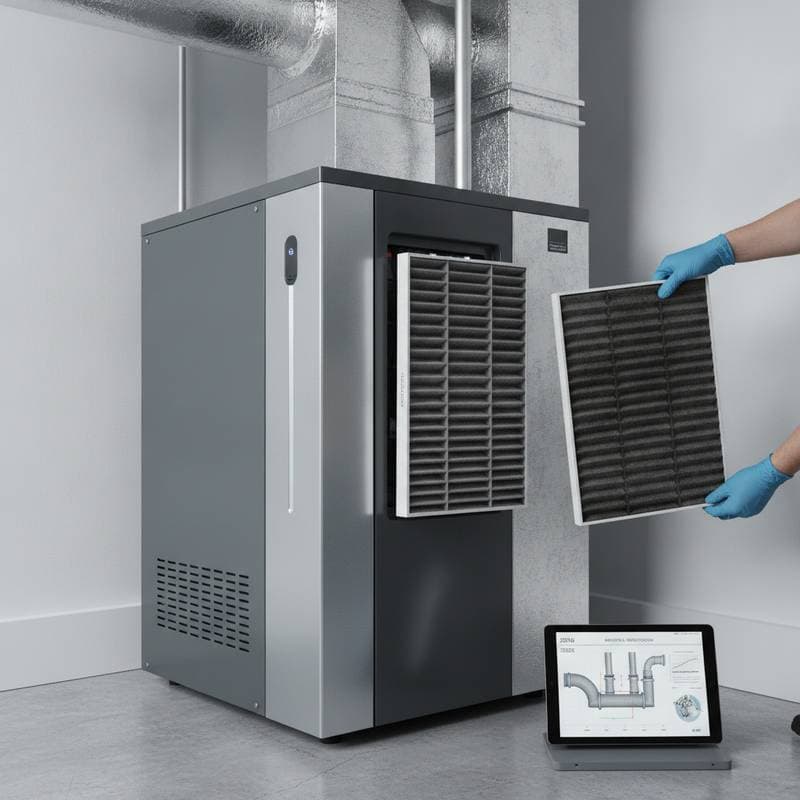
1. Replace or Clean the Air Filter
A soiled filter impedes airflow and forces the system to labor excessively. Exchange disposable filters or cleanse reusable versions every one to three months, adjusted for household usage and local air quality. Homes with pets or residents prone to allergies require more frequent inspections. Filters typically cost between 10 and 30 dollars and install in minutes. Select the size and type specified by the manufacturer for optimal results.
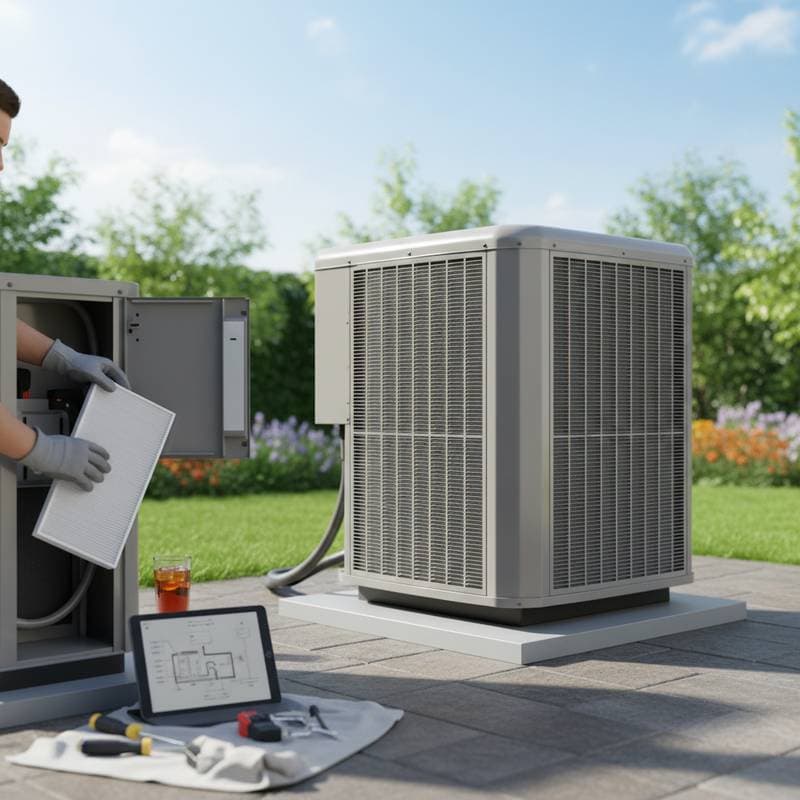
2. Clear Debris Around the Outdoor Unit
Accumulated leaves, grass clippings, and soil obstruct airflow to the condenser coil. Maintain a clearance of at least two feet surrounding the outdoor unit. Trim nearby vegetation and remove debris from the top and sides. Rinse the coil fins using a low-pressure garden hose stream. High-pressure water risks bending the fragile metal fins.
3. Inspect the Condensate Drain Line
This line transports condensation from the indoor unit outdoors. Algae or mold buildup can obstruct it over time, resulting in leaks or structural damage. Examine the line for obstructions and flush it with a solution of warm water and mild detergent. For persistent blockages, employ a wet-dry vacuum from the exterior endpoint. Persistent moisture near the furnace or air handler underscores the urgency of this task.
4. Examine the Thermostat
The thermostat dictates the system's operational efficiency. Manual models limit control; upgrading to programmable or smart versions enables automated adjustments that reduce cooling expenses by up to 10 percent. Verify functionality by lowering the setting a few degrees and confirming the system activates. Non-response may necessitate battery replacement or wiring inspection.
5. Check and Clean Vents
Obstructed vents diminish airflow and hinder uniform cooling. Inspect each room to confirm vents remain open and free of barriers. Vacuum accumulated dust from grilles and registers. Weak airflow might indicate duct blockages or debris accumulation, warranting professional intervention.
6. Inspect the Ductwork
Leaking ducts squander up to 30 percent of cooled air. Scan accessible areas in attics, crawl spaces, or basements for gaps, loose joints, or compromised insulation. Seal minor leaks using foil-backed tape or mastic sealant to enhance performance. Comprehensive evaluations by professionals benefit larger installations.
7. Test Electrical Connections and Components
Loose or corroded electrical elements precipitate failures. Prior to energizing the system, review the disconnect box adjacent to the outdoor unit for wear, corrosion, or damaged wiring. Deactivate power before any contact with components. Evidence of scorching or audible humming requires immediate technician assistance. Electrical hazards demand expert handling.
Timing for Professional Maintenance
DIY efforts complement but do not substitute for annual professional service during the cooling season. Trained technicians assess refrigerant charges, measure system pressures, adjust thermostats, and evaluate motors and belts. They also sanitize internal coils and confirm proper cycling. Service fees generally fall between 100 and 200 dollars, varying by location and unit specifications. This investment pales against compressor replacement costs exceeding 1,000 dollars. Book appointments early to evade delays during high-demand periods.
Troubleshooting Common AC Problems
Weak Airflow
Uneven or diminished airflow first prompts filter and vent checks. If clear, suspect blower motor or duct issues. A humming indoor unit often signifies a defective capacitor, which professionals replace efficiently.
Warm Air from Vents
This symptom typically arises from refrigerant shortages or compressor malfunctions. Confirm the thermostat mode as cool. If the outdoor unit operates without cooling effect, deactivate the system and summon a technician to avert additional harm.
Unusual Noises
Grinding, screeching, or rattling noises suggest loose parts or motor faults. Power down the unit and check fan blades for obstructions. Persistent sounds necessitate expert repair.
Water Leaks
Moisture around the indoor unit commonly stems from clogged drains or frozen evaporator coils. Deactivate and allow thawing before reactivation. Ongoing leaks may require drain cleaning or component replacement.
Budgeting for AC Preparation
Expenses for AC readiness vary with unit size, type, and required interventions. Basic self-maintenance incurs less than 50 dollars for filters and supplies. Professional inspections cost 100 to 250 dollars. Refrigerant replenishment adds 200 to 500 dollars based on refrigerant variety. Component swaps, such as capacitors or fan motors, range from 150 to 400 dollars.
Sustaining AC Performance Season-Long
Post-preparation, adopt habits that promote reliability. Close blinds or curtains during peak sunlight to minimize heat influx. Employ ceiling fans to distribute air, permitting modest thermostat increases without comfort loss. Maintain filter schedules and track utility bills for anomalies indicating issues.
Strategies to Avoid Future Breakdowns
Establish a routine maintenance calendar to preempt next season's surprises. Set monthly reminders for filter reviews, debris removal, and system tests during active periods. At season's end, re-clean the outdoor unit and apply a permeable cover against elements. Units over ten years old or prone to repairs merit replacement consideration. Modern efficient models reduce cooling costs by up to 20 percent and operate with less noise.
Essential Tips for Optimal Results
Maintain records of service dates and professional interactions. Monitor subtle shifts in operation, such as amplified sounds or extended run times. Smart thermostats facilitate runtime logging and early inefficiency detection. Inquire with technicians about enhancements like variable-speed drives or zoning configurations. Elevated indoor humidity signals potential drain clogs or inadequate unit sizing.
Preparation ensures reliable cooling amid intense heat. Consistent inspections, thorough cleaning, and expert evaluations deliver efficient, dependable performance. Proactive measures safeguard against disruptions, prolong equipment life, and stabilize energy expenditures.