Prepare Your Air Conditioner for Summer Demands
As temperatures rise, the air conditioning system emerges as a critical component of home comfort. A strategic maintenance session before the peak heat arrives distinguishes reliable cooling from unexpected failures. Homeowners who delay service until discomfort strikes often face higher costs and inconvenience, whereas proactive care delivers consistent performance, reduced expenses, and sustained reliability.
Reasons to Schedule AC Maintenance Early
Air conditioning units gradually lose effectiveness due to accumulated dust, pollen, and humidity within their components. Minor problems, such as a loosened belt or insufficient refrigerant, escalate into major repairs without attention. Preventive maintenance identifies these issues during milder weather, when service providers maintain lighter schedules and lower rates.
Such service safeguards the equipment and promotes healthier indoor air quality. It also preserves warranty conditions, which typically mandate documented upkeep. Technicians use this opportunity to detect deteriorating parts and suboptimal airflow, ensuring the system operates at full capacity when demand intensifies.
Key Elements of a Professional AC Tune-Up
Professional maintenance extends beyond basic filter changes to encompass a thorough evaluation and cleaning. This comprehensive approach guarantees safe, efficient operation. Homeowners benefit from understanding the following standard procedures:
-
Thermostat Calibration
Technicians assess the thermostat for precision and seamless system integration. For smart models, they verify software configurations to support efficient programming and device harmony. -
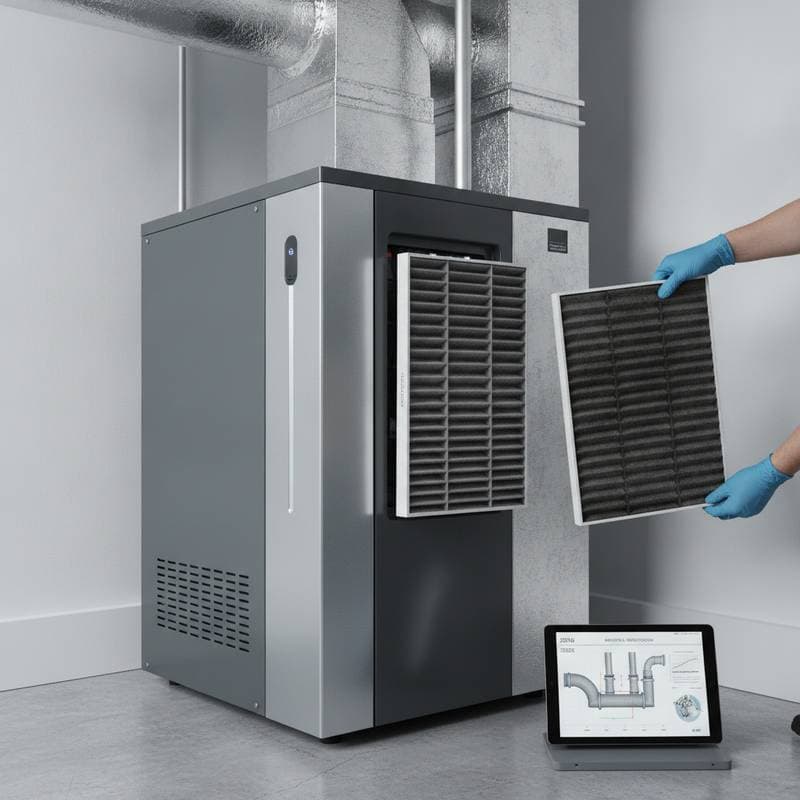
Filter Maintenance
Clogged filters impede airflow, compelling the unit to consume more energy. Technicians replace or clean filters, recommending intervals of one to three months to sustain air purity and efficiency. -
Coil Cleaning Procedures
Evaporator and condenser coils accumulate grime that hinders heat transfer. Thorough cleaning restores optimal function, directly contributing to lower electricity consumption. -
Refrigerant Evaluation
Insufficient refrigerant leads to inadequate cooling or system freezing. Professionals measure pressures and inspect for leaks to maintain proper charge levels. -
Electrical System Review
Faulty wiring or oxidation in connections risks operational failures. Technicians secure components and validate electrical integrity for dependable performance. -
Drainage System Clearance
Blocked condensate lines foster water buildup, inviting mold and structural harm. Cleaning ensures proper drainage and preserves air quality. -
Fan and Motor Servicing
Lubrication minimizes wear on rotating elements. This maintenance reduces operational noise and extends component longevity. -
Operational Testing
Following adjustments, technicians conduct full-system trials to verify uniform cooling and proper cycling.
Homeowner Preparation Steps
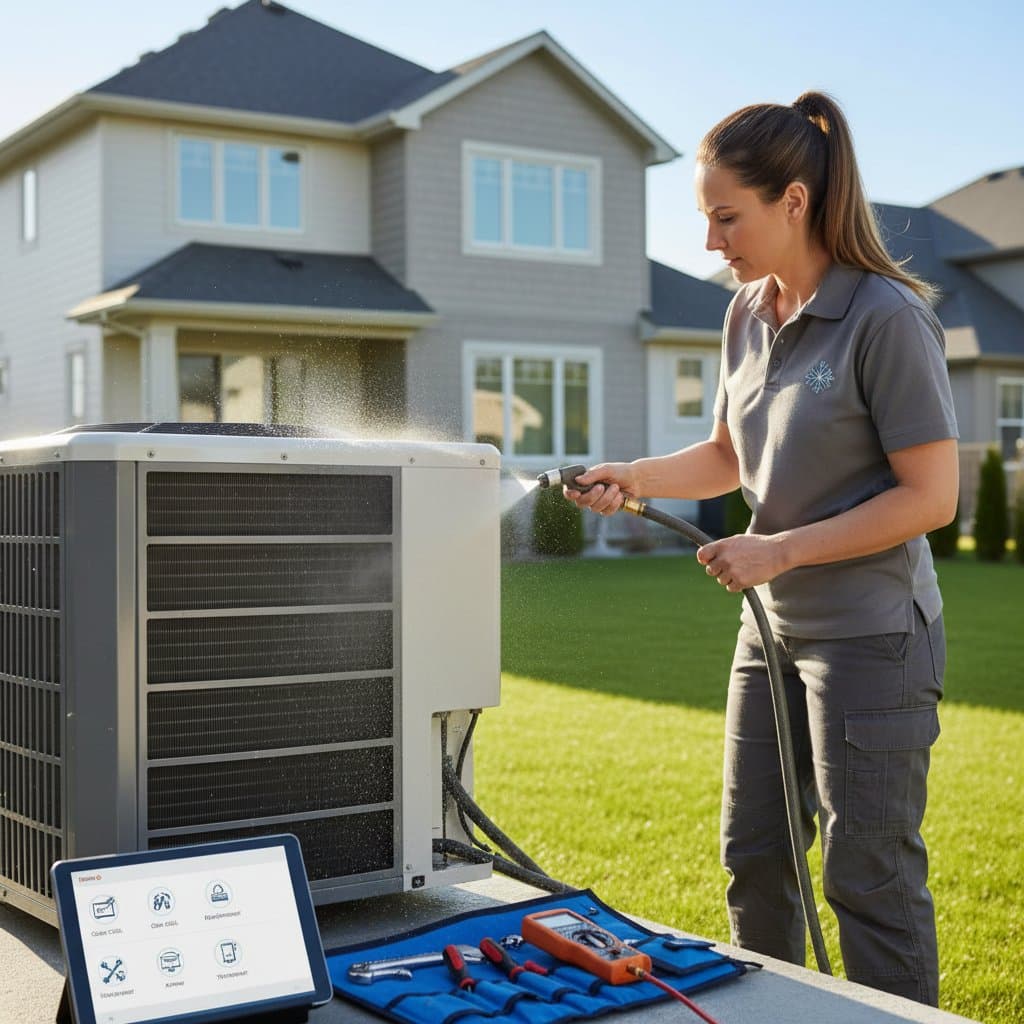
Individuals can contribute to the process by performing preliminary tasks. Remove leaves, branches, and plants from the vicinity of the outdoor unit, maintaining a clearance of at least two feet. Gently hose down the external coils to dislodge loose dirt, and vacuum interior vents to enhance circulation. These actions streamline the professional service and amplify its outcomes.
Financial and Efficiency Advantages
Regular tune-ups yield tangible savings beyond mere comfort. The U.S. Department of Energy estimates potential reductions in cooling expenses by up to 15 percent through optimized components. Efficient coils and unrestricted filters enable the system to achieve desired temperatures with minimal power draw, alleviating stress on the machinery.
Numerous service providers propose yearly contracts covering seasonal inspections. These agreements prove more economical than isolated emergency interventions and secure expedited appointments during high-demand periods. Proactive investment thus preserves resources and reliability.
Indicators Requiring Prompt Service
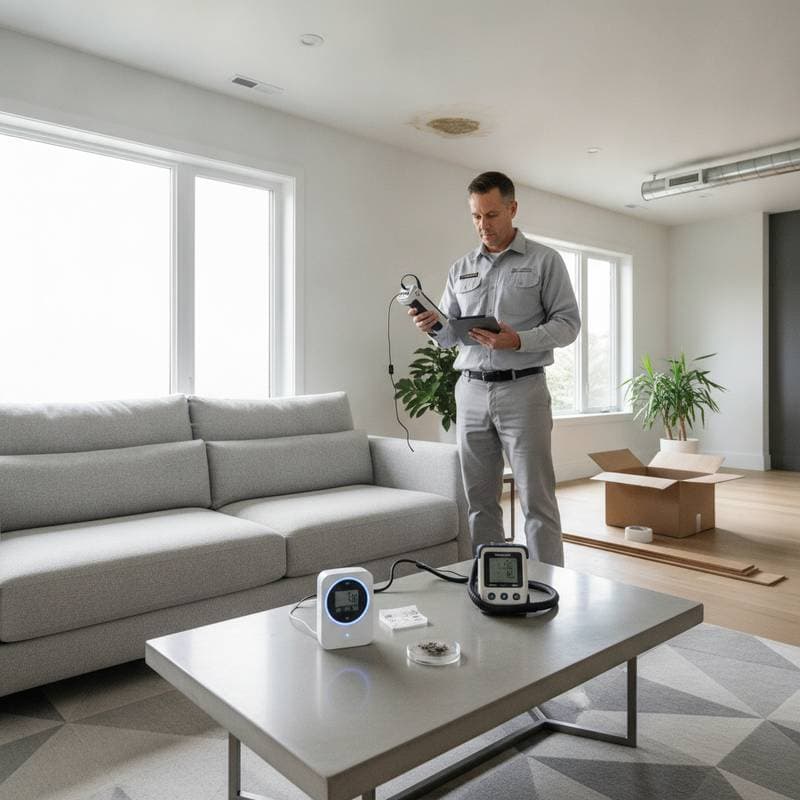
Despite diligent care, certain symptoms signal the need for urgent intervention. Monitor for reduced airflow from registers, which might indicate ductwork issues or fan malfunctions. Listen for abnormal noises, such as grinding or banging, that suggest mechanical looseness.
Observe if vents deliver warm air despite thermostat adjustments, or if moisture appears near the indoor components, pointing to drainage or refrigerant concerns. Unexpected increases in utility statements, absent usage changes, also warrant attention. Address these promptly to avert escalation and expense.
Selecting a Competent Service Provider
The choice of technician influences the quality of maintenance received. Prioritize firms holding valid licenses, comprehensive insurance, and positive feedback from clients. Technicians certified by leading manufacturers undergo continuous education in advanced diagnostics.
Inquire about their protocol for full-system assessments rather than superficial checks. Reliable professionals detail procedures, present findings clearly, and suggest solutions without undue influence. This openness fosters enduring partnerships.
Sustaining Long-Term Performance
Post-service, uphold system health through routine habits. Adhere to filter replacement schedules, ensure vents remain free of obstructions, and plan subsequent evaluations ahead of future seasons. For units exceeding ten years or demanding repeated fixes, consult experts on upgrading to contemporary, energy-saving models.
These advanced systems deliver superior cooling with reduced consumption, yielding ongoing financial benefits. Early preparation through professional tune-ups secures enduring comfort and operational excellence, transforming seasonal challenges into seamless experiences.