
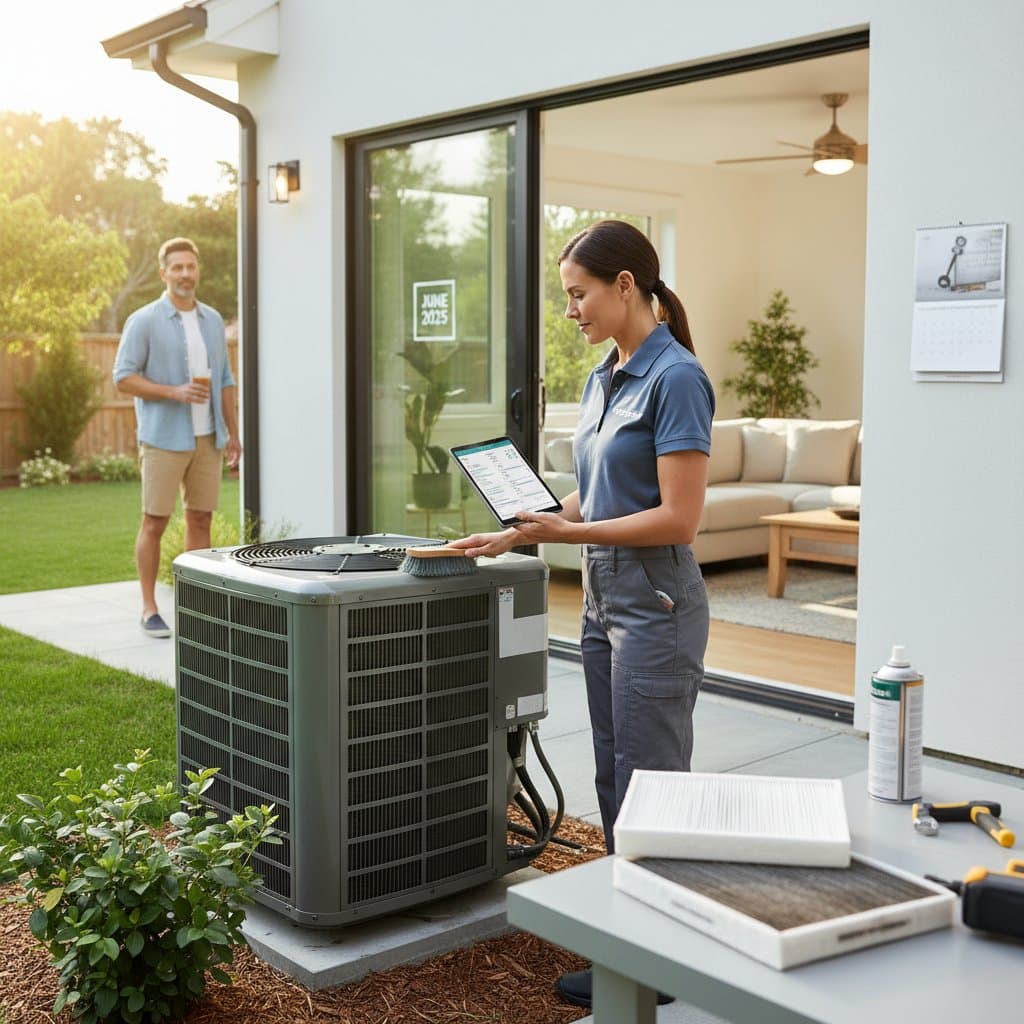
Essential Pre-Season AC Tune-Ups: Prevent Summer Breakdowns
Homeowners face significant discomfort when an air conditioner fails amid peak summer heat. A pre-season tune-up serves as a proactive measure to maintain system efficiency, prolong operational life, and avert costly repairs during high-demand periods. Individuals may perform basic tasks independently, or they can arrange professional service to guarantee comprehensive preparation that sustains home comfort and controls energy expenses.
Why Pre-Season Maintenance Matters
Air conditioning units remain dormant for extended periods, accumulating dust, moisture, and debris in the process. Upon reactivation following this inactivity, such accumulations impose stress on internal components, impede airflow, and diminish overall cooling capacity. Professionals in the HVAC field, as discussed in online homeowner communities, frequently attribute system failures to the absence of pre-use inspections and cleanings. Conducting a tune-up addresses these potential issues well before temperatures rise sharply.
Regular upkeep also safeguards substantial investments in equipment. Components such as compressors, fans, and coils carry high replacement costs. An overlooked minor problem, including a loose electrical connection or insufficient refrigerant, may escalate into a severe malfunction. Identifying concerns early preserves both time and financial resources.
The Homeowner’s AC Tune-Up Checklist
Effective tune-ups address multiple critical elements. Certain activities suit homeowner capabilities, whereas others necessitate expertise from certified technicians. Follow this sequence to achieve thorough results.
1. Replace or clean air filters.
Clogged filters hinder airflow, compelling the system to operate under greater strain. This condition elevates energy consumption and accelerates wear on the unit. Homeowners should replace disposable filters monthly during peak use or clean reusable variants with mild soap and water every three months, prioritizing action before the onset of warm weather.
2. Clear debris from the outdoor unit.
Accumulated leaves, branches, and soil obstruct the condenser’s airflow. Maintain a clear radius of at least two feet surrounding the unit to facilitate proper ventilation. Use a fin comb to realign any bent fins carefully, then rinse the coils using a low-pressure garden hose to remove surface grime without damaging delicate structures.
3. Inspect thermostat function.
Activate the cooling setting on the thermostat and allow the system to operate for a minimum of five minutes. Warm output air or excessive cycling indicates potential calibration needs. Homeowners may adjust settings manually or evaluate the merits of installing a programmable smart thermostat, which offers automated adjustments for optimal energy management and consistent temperatures.
4. Check electrical connections.
Frayed or corroded wiring poses risks of electrical shorts and performance degradation. Always disconnect power at the breaker before examining accessible connections. Evidence of wear, such as exposed conductors or discoloration from heat, demands immediate professional intervention to prevent hazards.
5. Examine refrigerant lines.
Exposed lines lose energy through uninsulated sections, reducing system effectiveness. Apply foam insulation sleeves to bare areas for thermal protection. Observations of frost formation or unusual hissing sounds suggest refrigerant leaks, which only licensed technicians can diagnose and repair safely.
6. Clean the evaporator coil and drain line.
Dust buildup on the evaporator coil within the air handler impairs heat absorption and efficiency. Employ a soft-bristled brush followed by a manufacturer-approved coil cleaner to restore surface cleanliness. To clear the drain line, introduce a solution of one part vinegar to ten parts water, then flush thoroughly to eliminate blockages that could lead to water damage or microbial proliferation.
7. Test system performance.
Following all cleaning and component updates, operate the AC unit for no less than fifteen minutes. Verify robust airflow from vents and uniform cooling throughout living spaces. Persistent odd sounds, such as rattling or grinding, or diminished air output point to underlying mechanical concerns requiring expert evaluation.
When to Call a Professional
Certain procedures require advanced equipment and technical knowledge beyond typical homeowner skills. Certified technicians conduct in-depth assessments that encompass:
- Precise measurement and adjustment of refrigerant pressures to ensure optimal levels.
- Evaluation of capacitor functionality through voltage testing and amperage checks.
- Inspection of motor bearings with subsequent lubrication using specified oils.
- Analysis of ductwork for balanced airflow distribution.
- Calculation of temperature differentials across supply and return vents to confirm operational standards.
Insights from industry specialists indicate that such professional services enhance efficiency and may reduce cooling expenses by as much as 15 percent. Technicians maintain detailed service documentation, which supports warranty claims and bolsters property value during sales.
Timing Your Tune-Up
Optimal scheduling occurs in early spring, prior to the escalation of cooling demands. This timing minimizes delays from overwhelmed service providers and allows ample opportunity for corrective actions. Proactive homeowners often benefit from introductory pricing or promotional offers, rendering the practice economically advantageous.
For residences in climates with extended hot seasons, an additional inspection midway through summer proves valuable. This follow-up verifies sustained performance under continuous operation, addressing any wear that emerges from prolonged activity.
Cost and Value Considerations
Professional tune-up fees typically range from $75 to $200, far below the $1,000 or more associated with emergency interventions. Enhanced efficiency yields ongoing savings, with estimates suggesting up to 20 percent reductions in energy usage for properly serviced units. These factors establish preventive care as a prudent financial decision.
Property managers overseeing multiple units or rental properties find routine maintenance indispensable. It mitigates disruptions from tenant issues, curbs urgent service requests, and forestalls premature replacements. A centralized log of maintenance activities facilitates efficient planning and fiscal oversight.
Long-Term Benefits
Ongoing AC care delivers advantages extending beyond immediate relief. Systems endure longer with consistent attention, indoor environments gain from superior air filtration that minimizes allergens, and energy expenditures remain predictable. Reduced dust circulation aids individuals sensitive to respiratory irritants, while effective dehumidification curbs moisture that fosters mold in ventilation systems.
Homeowners report heightened confidence from knowing their equipment stands prepared for intense demands. Infrequent failures translate to uninterrupted routines, even as outdoor conditions intensify. This dependability emerges as a primary reward over years of diligent upkeep.
Steps to Secure Summer Comfort
Pre-season AC tune-ups represent a strategic investment in reliable performance. Homeowners achieve optimal outcomes by combining self-managed routines with periodic expert oversight. Initiate the process now, establish a seasonal calendar, and monitor system indicators regularly. These habits ensure a cool, efficient home environment free from unexpected interruptions.




