Essential Maintenance to Maintain Peak AC Performance All Summer
Summer heat places significant demands on air conditioning systems. A properly maintained unit delivers consistent cooling while minimizing energy consumption and repair expenses. Homeowners often overlook the impact of routine neglect, which can reduce efficiency by up to 15% per season. Regular care through targeted tasks ensures reliability and extends the lifespan of the equipment.
Implementing a structured maintenance plan addresses common vulnerabilities. This approach not only preserves original performance levels but also prevents unexpected failures during peak usage periods. Professional guidance complements these efforts for comprehensive protection.
The Core Maintenance Checklist
A systematic routine forms the basis for optimal air conditioning operation. Perform these steps at regular intervals to safeguard efficiency and functionality.
-
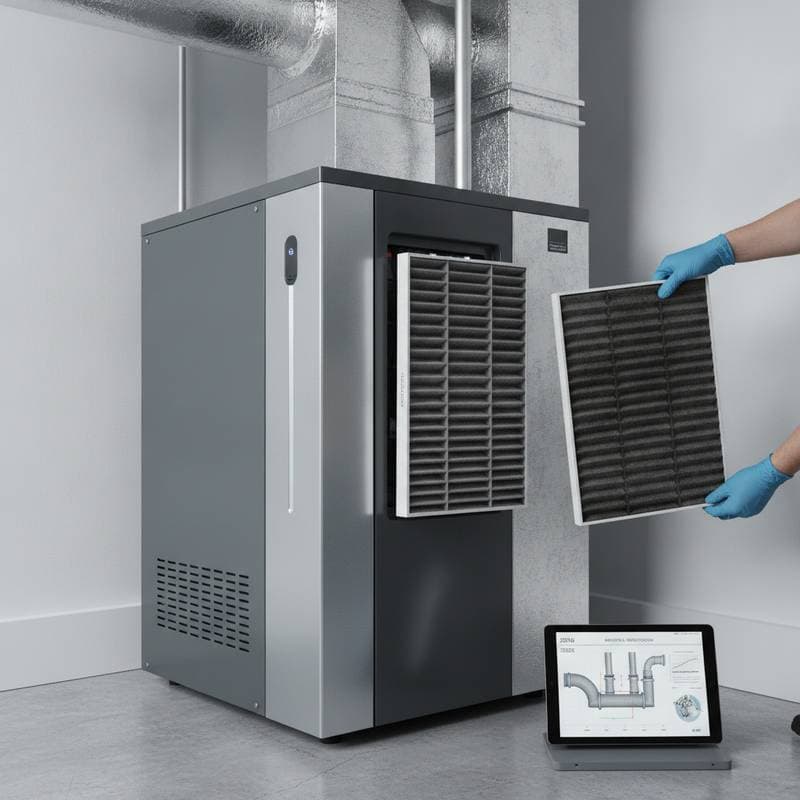
Replace or clean air filters regularly. Clogged filters impede airflow and strain the compressor, resulting in reduced cooling and increased energy use. Opt for high-efficiency filters rated MERV 8 or higher, and inspect them monthly during cooling season; replace disposable types every 30 to 60 days or clean reusable ones with mild soap and water.
-
Inspect and clean the condenser coils. The outdoor unit collects dirt, debris, and vegetation that insulates the coils and hampers heat dissipation. Shut off power at the breaker, clear surrounding vegetation to maintain 2 feet of clearance, and use a garden hose with low pressure or a commercial coil cleaner followed by rinsing to remove buildup.
-
Check the evaporator coils. Located within the indoor air handler, these components absorb indoor heat but accumulate dust and mold over time, diminishing heat transfer. Schedule annual professional cleaning to avoid risks associated with accessing electrical components; technicians use specialized tools to restore coil integrity without damage.
-
Clear the condensate drain line. Blockages lead to water overflow, potential structural damage, and microbial growth. Flush the line quarterly with a mixture of one part white vinegar to ten parts water, using a wet-dry vacuum to extract stubborn clogs if necessary.
-
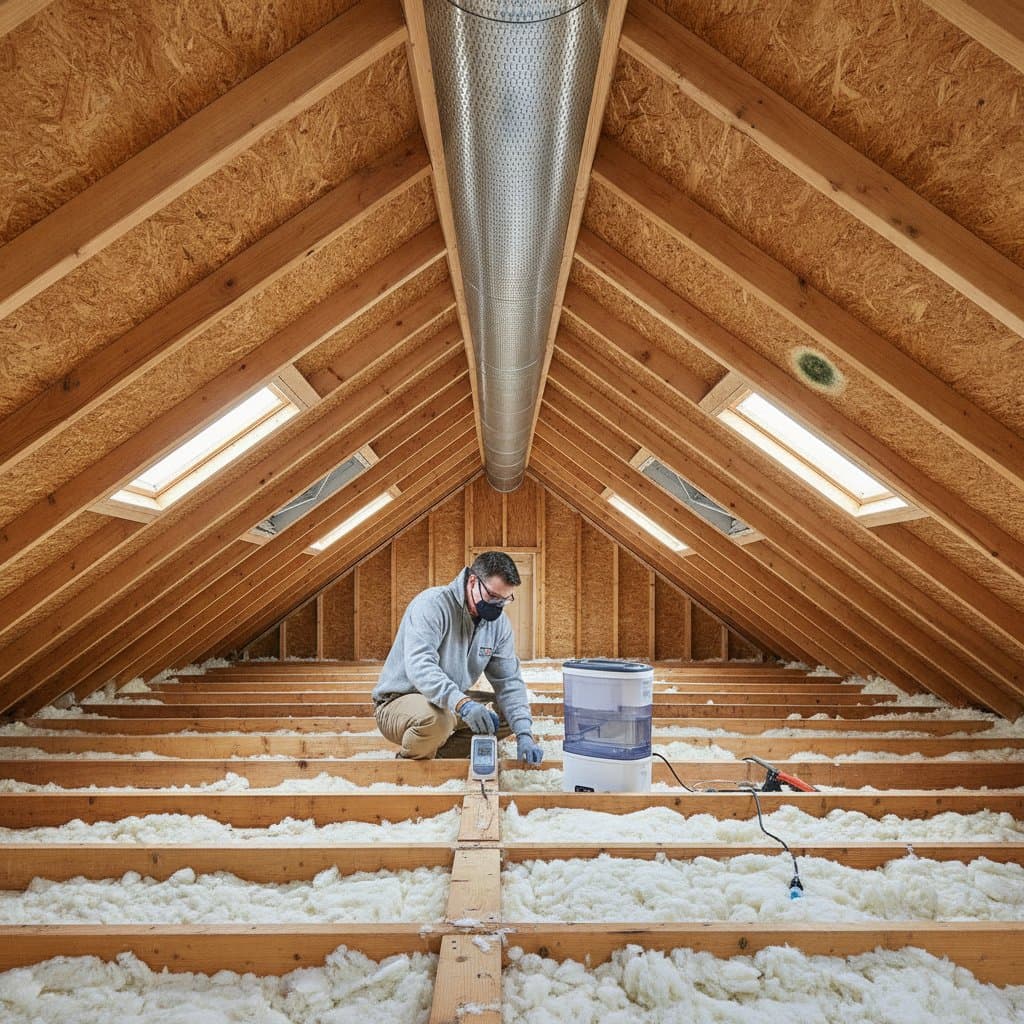
Inspect ductwork for leaks. Leaks in ducts can release up to 30% of conditioned air into unconditioned spaces, wasting energy. Seal joints with UL-listed mastic or aluminum foil tape, focusing on connections at the air handler and registers; consider a professional duct blaster test for hidden issues in inaccessible areas.
-
Verify thermostat accuracy. Inaccurate readings cause overcooling or undercooling, leading to unnecessary runtime. Place a calibrated digital thermometer near the thermostat and adjust if the difference exceeds 2 degrees Fahrenheit; for programmable models, set a schedule that aligns with occupancy patterns to optimize cycles.
-
Ensure proper insulation around refrigerant lines. Exposed lines allow condensation and heat gain, reducing refrigerant effectiveness. Inspect for cracks or missing foam insulation and replace with UV-resistant sleeves rated for outdoor use; secure with zip ties to prevent vibration-induced wear.
Completing these tasks routinely mitigates efficiency losses and supports consistent performance. Track completion dates in a maintenance log to establish habits that yield long-term benefits.
Factors Influencing AC Maintenance Costs
The expense of upkeep varies based on several practical considerations. Understanding these elements aids in budgeting and selecting appropriate services.
System age plays a pivotal role, as units over 10 years old often require extensive diagnostics and costly part replacements like capacitors or contactors. Condition assessments during initial visits reveal underlying wear, influencing the scope of work.
Unit size and capacity affect labor time; for instance, a 5-ton central system demands more thorough cleaning than a single-room window unit. Multi-zone setups with multiple handlers multiply the effort needed for balanced evaluation.
Accessibility challenges, such as rooftop installations or confined crawl spaces, necessitate additional equipment like ladders or lifts, adding 20 to 50% to service fees. Plan access routes in advance to streamline technician visits.
Maintenance frequency impacts cumulative costs; annual plans averaging 150 to 250 dollars per visit reduce emergency callouts that can exceed 500 dollars. Proactive scheduling minimizes escalation of minor issues into major repairs.
The service provider's credentials influence pricing, with certified HVAC contractors charging premium rates for advanced tools and warranties. Prioritize those affiliated with organizations like NATE for assured quality and compliance with local codes.
Selecting qualified professionals ensures thorough execution, reducing the likelihood of recurring problems and associated expenses.
Valuable Add-On Services for Enhanced Performance
Service providers frequently recommend supplementary options that address specific needs. These investments yield measurable improvements in efficiency and comfort.
Refrigerant top-offs restore levels depleted by minor leaks, typically costing 150 to 350 dollars based on the refrigerant type, such as R-410A, and the quantity required. Technicians perform leak detection to prevent future losses.
Duct cleaning eliminates accumulated contaminants that circulate through the home, priced at 300 to 600 dollars for standard residences. This process uses HEPA vacuums and agitation tools to extract years of debris, benefiting allergy sufferers.
Smart thermostat installation integrates with home automation, with labor fees of 100 to 250 dollars plus device costs. Features like geofencing and learning algorithms adjust settings automatically, potentially saving 10 to 20% on energy bills.
Priority service agreements provide expedited response during high-demand periods, often at a 25 to 50% surcharge over standard rates. These plans include perks like discounted parts and 24/7 availability for peace of mind.
Evaluate these services against your household's usage patterns to maximize return on investment. Consult with technicians to tailor selections to your system's specifications.
Optimal Timing for Seasonal AC Maintenance
Timing maintenance appointments strategically avoids peak-season disruptions. Perform tune-ups in spring, ideally March or April, when technicians have lighter schedules and rates remain competitive.
Early interventions detect issues like frayed fan belts or capacitor weaknesses before summer strain amplifies them. This preparation ensures smooth operation when temperatures rise.
For warranted systems, maintain service records to comply with manufacturer requirements, preserving coverage for parts and labor. Many policies mandate annual professional inspections.
Integrate maintenance into broader home preparation routines, such as gutter cleaning or yard work, to foster comprehensive seasonal care.
Proactive Strategies to Sustain AC Efficiency Year-Round
Adopting a proactive stance transforms air conditioning from a reactive expense into a reliable asset. Consistent application of these practices not only counters the 15% seasonal efficiency drop but also enhances overall home value.
Monitor system performance through simple indicators, like unusual noises or uneven cooling, and address them promptly. Combine DIY efforts with expert oversight for balanced results.
Ultimately, informed maintenance empowers homeowners to enjoy cooler, more cost-effective summers without compromise.