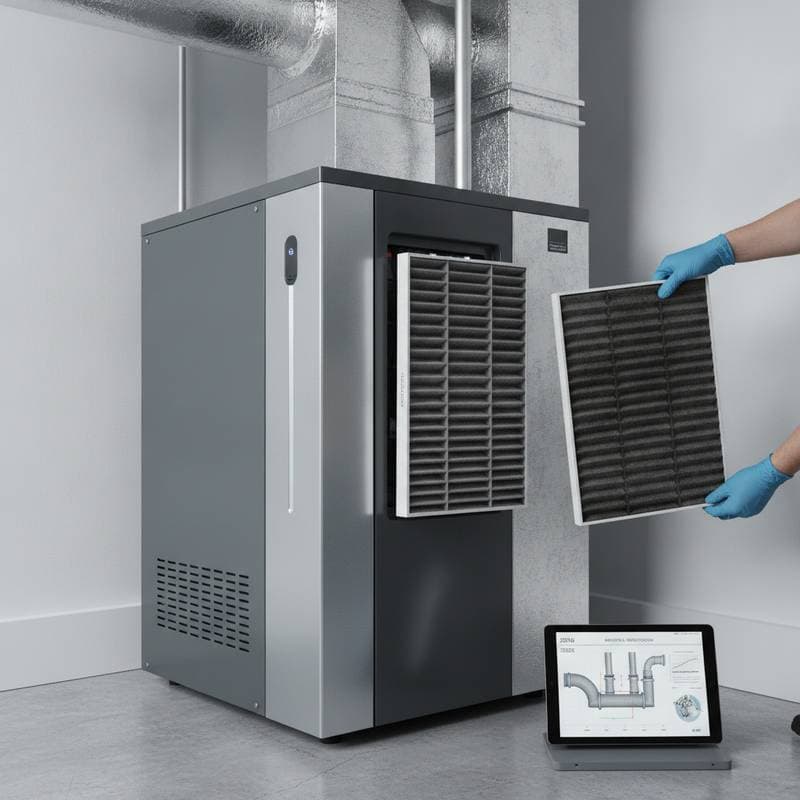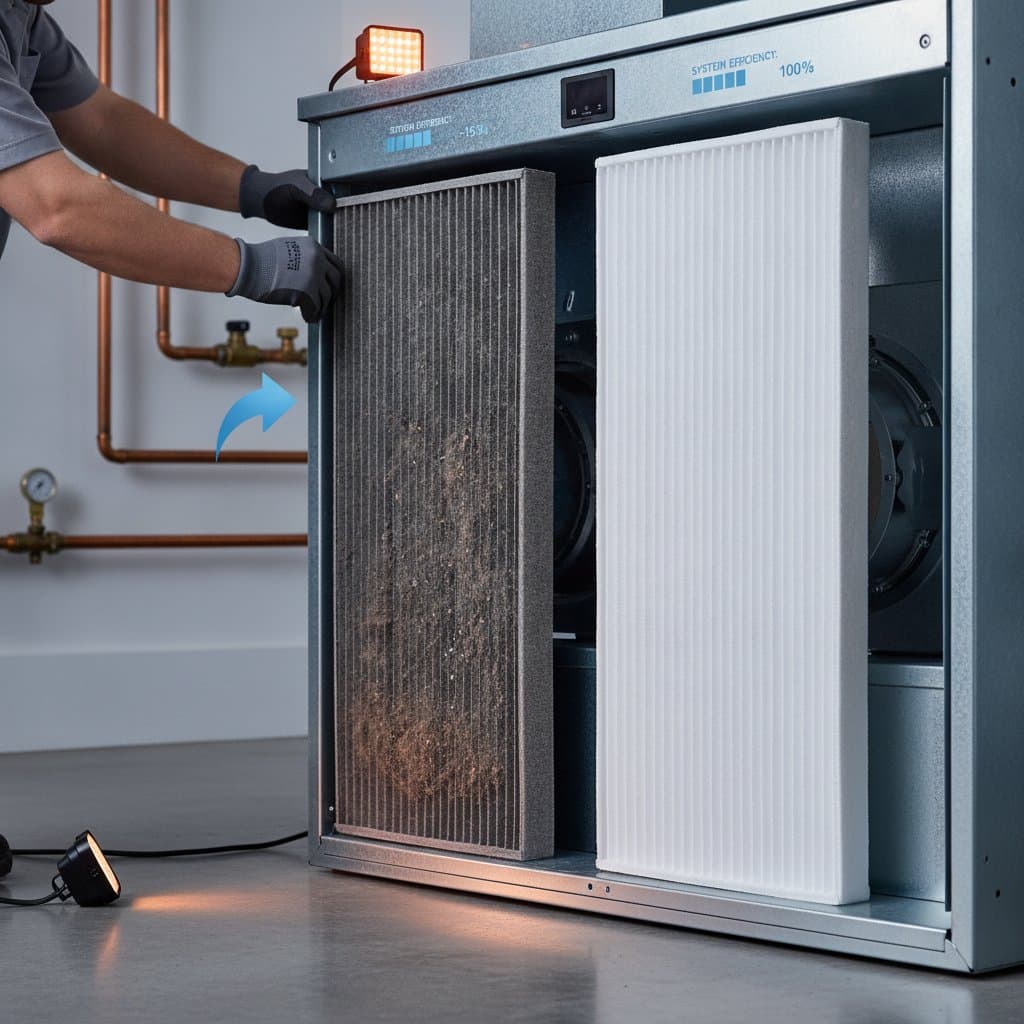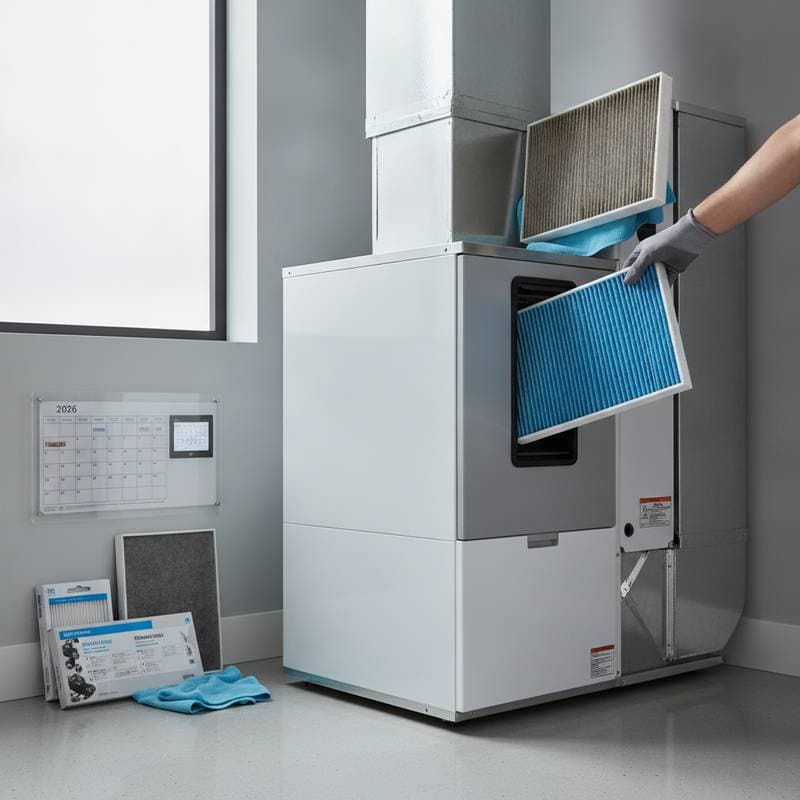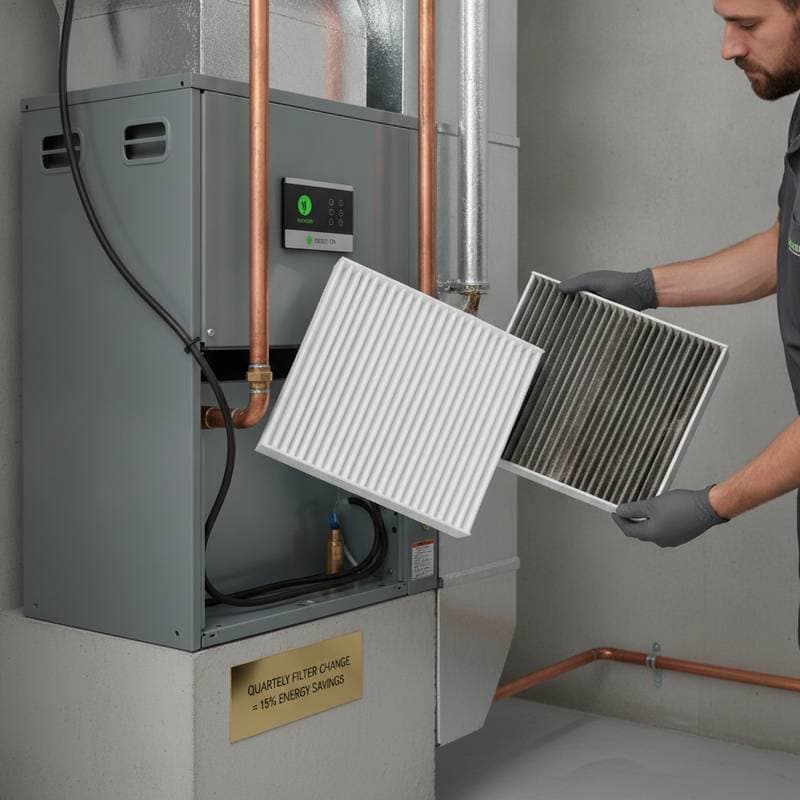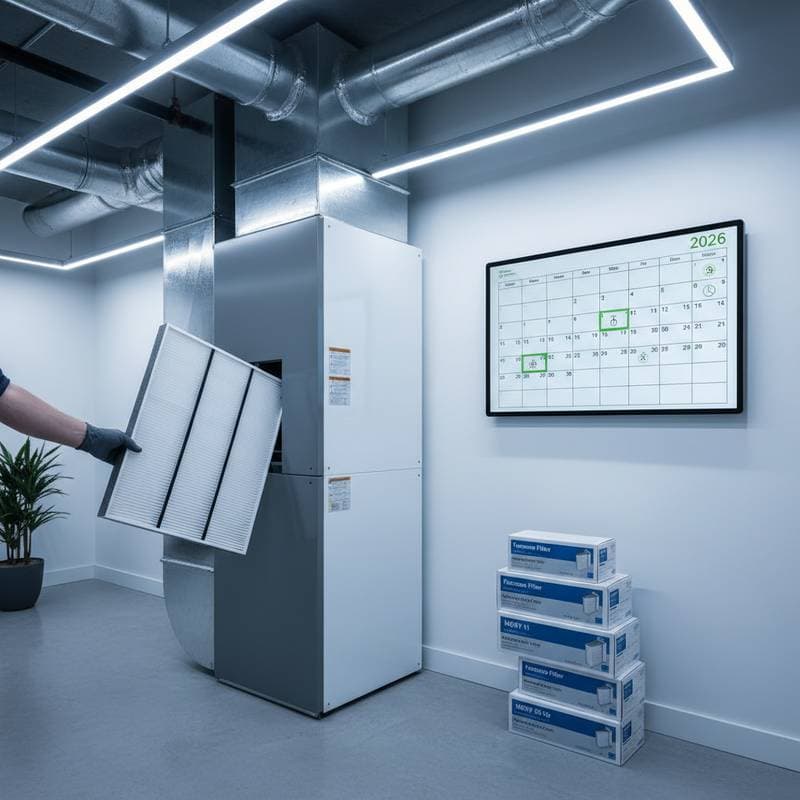
- Basic fiberglass filters: Replace every 30 days to handle standard dust loads effectively.
- Pleated filters: Replace every 60 to 90 days, as they offer improved filtration without rapid clogging.
- High-efficiency filters, including HEPA: Replace every 90 to 120 days for sustained capture of fine particles.
- Homes with pets or allergy sufferers: Replace every 30 to 60 days to minimize allergen buildup.
- Vacation homes or low-usage systems: Replace every 120 days, adjusting if occupancy increases.
These benchmarks provide a starting point. Track actual usage through the calendar to adjust for household patterns, such as frequent cooking or outdoor activities that accelerate dirt accumulation.
Develop a Seasonal Filter Replacement Plan
HVAC performance fluctuates with seasonal demands. Tailoring the filter calendar to these variations maintains uniform air quality and operational smoothness.
Spring
Pollen concentrations rise sharply in regions abundant with trees and grasses. Increase replacement frequency to block allergens from entering living spaces. For allergy-prone individuals, select pleated filters with a MERV rating of 8 or above, which trap up to 85 percent of particles sized 3 to 10 microns.
Summer
Air conditioning units operate extended hours, accelerating air passage through filters. Dust and pet hair gather swiftly under high usage. Inspect filters monthly; replace if discoloration or visible debris appears. Clean filters can lower cooling expenses by as much as 15 percent, per Energy Star findings, by facilitating unrestricted airflow.
Fall
Outdoor debris from leaves enters homes less as windows close. Install a new filter prior to initial furnace activation. This step eliminates burnt dust odors and eases the heating system's startup, preventing premature wear on components.
Winter
Dry air promotes static electricity and dust adhesion. Humidifier use may hasten filter saturation with moisture. Monitor regularly for signs like inconsistent heating or musty odors, replacing as needed to sustain even warmth distribution.
This seasonal framework aligns maintenance with environmental shifts, promoting consistent air purity and energy conservation.
Leverage Tools for Effective Filter Management
Modern technology simplifies upkeep routines. Smart thermostats and automation platforms integrate filter life indicators, sending notifications based on actual runtime rather than calendar dates alone. Explore apps from brands like Nest or Ecobee that log usage data for predictive alerts.
Digital solutions extend to calendars and spreadsheets. In Google Sheets, establish columns for filter type, installation date, observed condition, and projected replacement. Review entries quarterly to identify trends, such as faster clogging during high-pollen periods, and refine the schedule accordingly.
Subscription services provide additional convenience. Platforms like FilterEasy or Second Nature ship compatible filters directly, timed to your calendar. Users report reduced oversight and assured fit, eliminating trips to stores during peak seasons.
Integrate Professional Expertise
Homeowners manage routine filter swaps, yet annual professional inspections remain essential. Technicians evaluate refrigerant charges, coil cleanliness, and overall performance during visits. Filters alone cannot offset neglected coils or restricted ducts.
Experts tailor filter recommendations to system specifications. Electrostatic or reusable filters suit certain setups, allowing cleaning over disposal. Adhere to brand-specific options to preserve warranty terms.
The Air Conditioning Contractors of America notes that regular maintenance paired with prompt filter changes boosts efficiency by up to 25 percent. Such practices yield reduced utility costs and extended equipment longevity, often exceeding 15 years.
Strategies for Expense Management and Planning
Filter costs span from budget options under five dollars to advanced models over twenty. Inexpensive varieties demand frequent swaps, inflating long-term outlays. Opt for mid-tier pleated filters that balance durability and performance, typically lasting 60 days in moderate conditions.
Purchase in bulk from reliable suppliers to lower unit prices by 20 to 30 percent. Store extras in a cool, dry area shielded from light to avoid deformation. Label containers by replacement month for seamless access.
Incorporate filters into the yearly home budget, allocating 50 to 100 dollars based on household size. This foresight offsets medical costs from poor air quality and enhances living comfort through reliable climate control.
Establish Enduring Maintenance Practices
An HVAC filter calendar transcends mere reminders; it represents dedication to home vitality. Begin modestly: purchase initial filters, log the first due date, and adhere for a trial period of three months. Monitor improvements in airflow and energy use to build momentum.
Select the tracking method that suits your lifestyle, whether app notifications, wall charts, or automated deliveries. Prioritize regularity over perfection. Through these steps, clean air circulates freely, systems operate at peak efficiency, and seasonal transitions proceed without disruption.