Factors Influencing Greywater System Costs
Several elements determine the expense of installing a greywater system. Understanding these factors helps homeowners budget effectively for this sustainable upgrade.
-
Home Layout - Homes with accessible plumbing lines incur lower retrofit costs. Multi-story homes typically demand additional piping and pumps to manage water flow across levels.
-
System Complexity - Basic systems limited to laundry water require fewer components. Whole-home setups involve multiple filters, storage tanks, and distribution lines.
-
Soil and Yard Design - Clay soils necessitate specialized irrigation parts to ensure proper drainage. Sandy soils allow for straightforward drip irrigation lines.
-
Local Codes and Permits - Certain regions mandate inspections or professional installation, which increases overall expenses.
-
Water Treatment Level - Systems designed for indoor reuse demand advanced filters and regular maintenance to meet health standards.
Professional installers start with a site evaluation to provide accurate cost estimates and projected savings.
Potential Water Savings
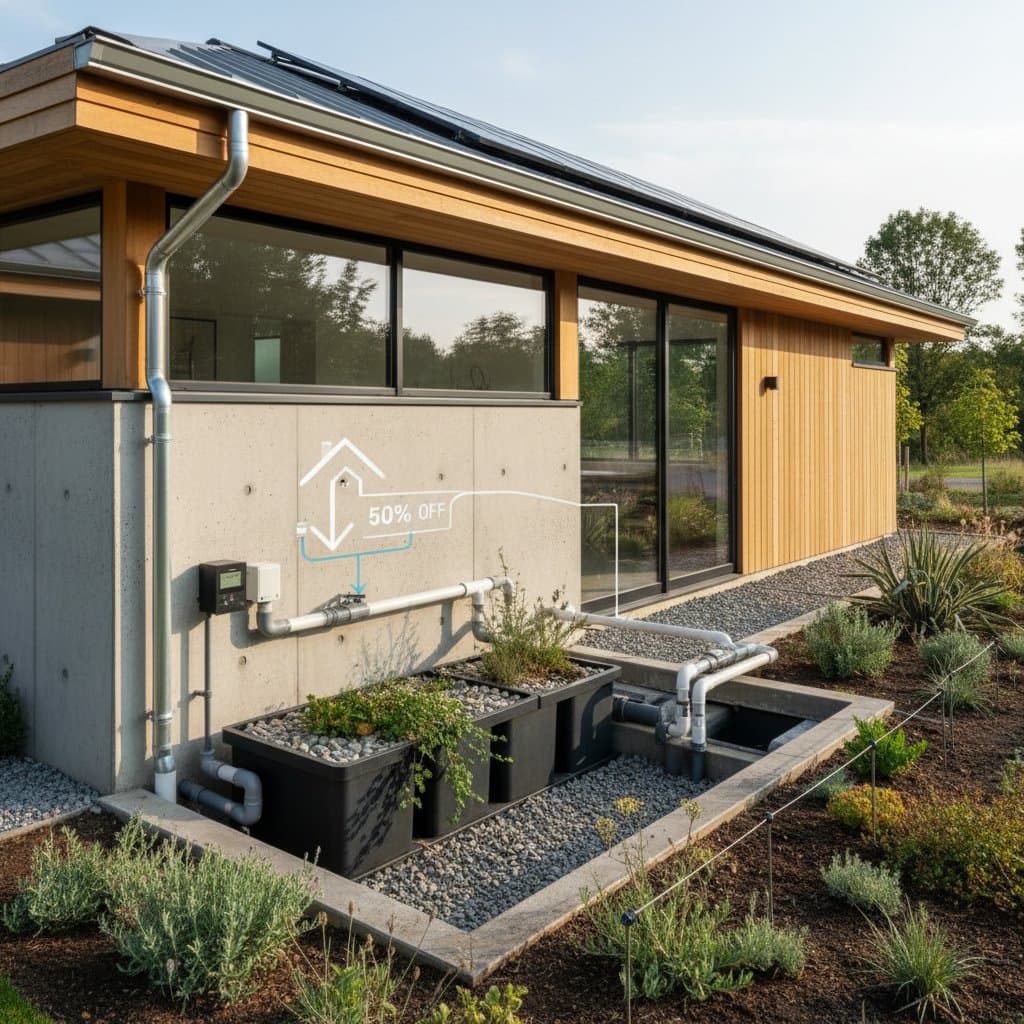
A properly engineered greywater system reduces household freshwater consumption by 30 to 50 percent. For an average family using 300 gallons daily, this translates to savings of 9,000 gallons monthly. Such reductions often recoup installation costs within three to five years through lower utility bills.
Greywater diversion for garden irrigation during dry periods can eliminate most outdoor water needs. Homeowners frequently report a one-third decrease in total water bills after implementing filtered greywater solutions.
Benefits Beyond Savings
Environmental Protection
Reusing greywater decreases reliance on municipal water supplies and minimizes wastewater discharge. This approach alleviates strain on outdated infrastructure and preserves natural aquifers.
Landscape Health
Greywater supplies essential nutrients that enhance plant vitality. Applied correctly, it maintains consistent soil moisture and lessens dependence on synthetic fertilizers.
Property Value
Sustainable upgrades appeal to environmentally conscious buyers. A functional greywater system boosts marketability, particularly in drought-prone areas or regions with elevated water rates.
Resilience
During periods of municipal water restrictions, greywater systems enable continued garden maintenance. This self-sufficiency safeguards landscape investments and promotes enduring eco-friendly habits.
Common Concerns
Many homeowners express concerns about odors, bacterial growth, or plumbing complications. Thoughtful system design mitigates these issues. Filters and aerobic treatment units maintain water quality, while dedicated piping prevents contamination.
Building codes typically require backflow prevention devices to isolate greywater from potable lines. Adhering to expert recommendations resolves the majority of potential hazards.
DIY vs Professional Installation
Individuals with plumbing knowledge can manage basic setups, such as laundry-to-landscape systems. These rely on gravity-fed flow and simple diverters, offering affordable options completable over a weekend.
Professionals excel in intricate configurations that link various fixtures or enable indoor reuse. They guarantee regulatory compliance and optimal filtration. Although initial costs are higher, professional installations provide superior durability and efficiency.
When to Hire a Professional
- Homes with multiple bathrooms requiring unified systems
- Properties with restricted plumbing access
- Projects involving permits or official inspections
- Setups featuring automated tanks and pumps
Skilled installers also optimize irrigation zones for balanced water delivery.
Safety Tips for Greywater Use
-
Exclude water from toilets or kitchen sinks. These sources carry contaminants or oils that damage vegetation.
-
Limit storage to 24 hours. Prolonged stagnation fosters odors and microbial growth.
-
Select biodegradable soaps and detergents. Abrasive chemicals harm soil biology and plant health.
-
Position filters for easy access. Routine cleaning prevents clogs and ensures performance.
-
Label pipes distinctly. Clear markings prevent accidental connections to drinking water lines.
Diligent maintenance keeps greywater suitable for reuse and extends system longevity.
Real-World Example
In an arid climate, one family redirected laundry and shower water to a filtered irrigation network. The project, encompassing materials and labor, totaled $3,500. This setup sustained fruit trees and a vegetable garden throughout the year. Over two years, their monthly water bill halved, granting freedom from drought-related restrictions.
Examples like this demonstrate the robust financial and practical returns of moderately priced greywater systems.
Frequently Asked Questions
How long does installation take?
Basic systems require one to two days. Comprehensive designs with tanks and pumps may span a week.
Can greywater damage plants?
Harsh chemicals pose the primary risk. Opting for gentle, eco-compatible cleaners avoids harm.
Does it require a permit?
Regulations differ by location. Systems tied to indoor plumbing often need approval; consult local authorities prior to proceeding.
What happens during cold weather?
Insulate lines or drain them ahead of freezes. Certain systems incorporate automatic drain features.
Is it worth the investment?
Affirmative, particularly where water rates are steep. Cumulative savings accumulate, alongside contributions to sustainability.
Steps to Implement Your Greywater System
Begin by assessing your home's plumbing and yard suitability. Consult local codes to identify permit needs. Choose a system scale matching your water usage and budget. Engage a professional for evaluation if complexity arises. Monitor performance post-installation to maximize savings and efficiency. This process transforms routine water use into a resource for sustainability and cost reduction.