Understanding Greywater Systems for Home Use
Homeowners face increasing pressure from rising water bills and restrictions on outdoor use. Greywater systems address these challenges by capturing and redirecting lightly contaminated water from household sources such as sinks, showers, and washing machines. This water, distinct from blackwater like toilet waste, becomes a valuable resource for irrigating landscapes or flushing toilets.
Such systems promote sustainability by reducing freshwater demand and minimizing wastewater sent to treatment facilities. In regions prone to drought, they ensure lawns and gardens remain vibrant without straining municipal supplies. Planning a greywater installation requires consideration of local regulations, system scale, and integration with existing plumbing.
This comprehensive guide outlines the essentials of greywater systems, including types, costs, permit processes, savings strategies, and maintenance routines. Readers gain practical insights to evaluate options and implement changes that yield both environmental and financial returns.
Types of Greywater Systems Available
Greywater systems vary in complexity and function to suit different household needs. Basic setups focus on simple diversion, while advanced models incorporate treatment for broader applications. Selecting the appropriate type depends on water volume, intended use, and budget constraints.
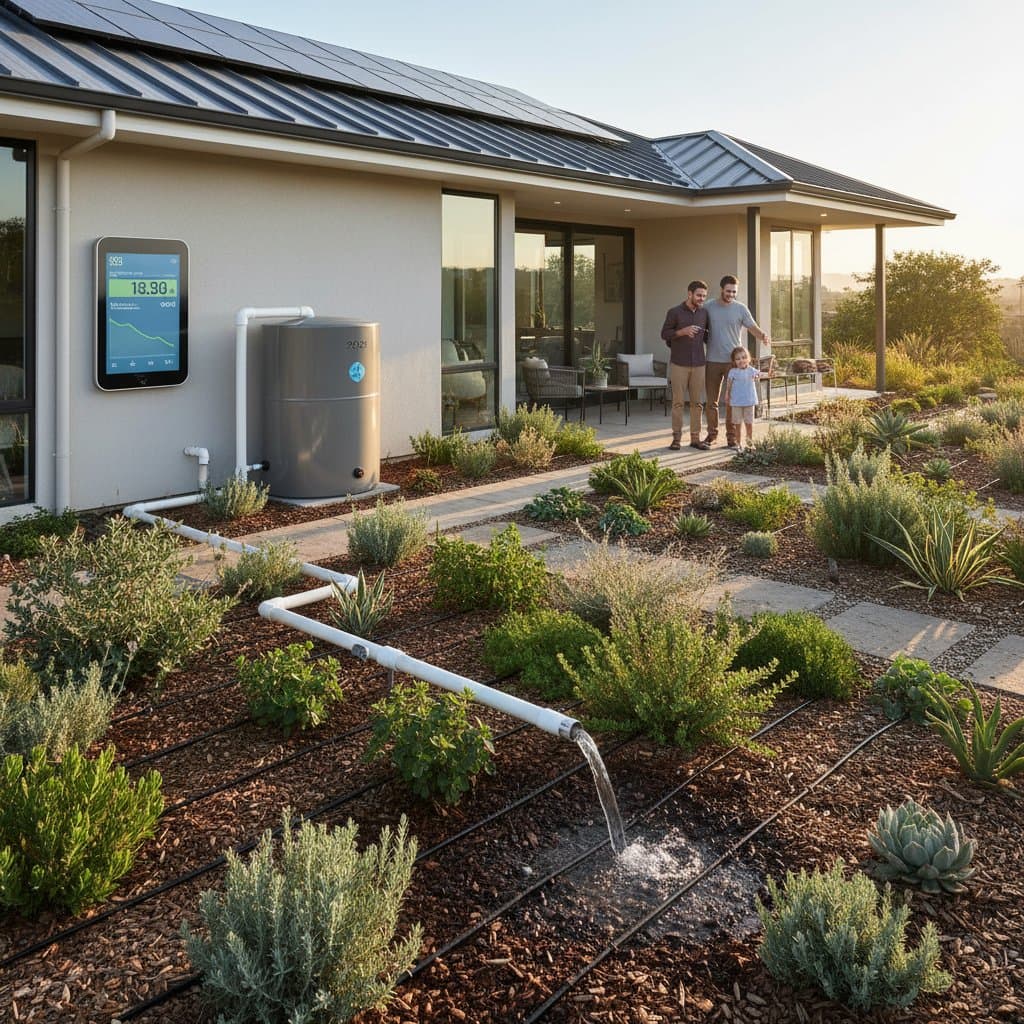
Laundry-to-landscape systems represent the simplest option. These gravity-based designs route washing machine outflow directly to garden beds through perforated pipes. They suit small yards and require minimal alteration to home infrastructure.
Diversion systems offer more flexibility with valves that switch greywater flow between sewer lines and irrigation. Professionals typically install these, ensuring compliance with plumbing codes. They handle water from multiple sources like bathroom sinks and showers.
Full treatment systems process greywater through filtration, pumps, and sometimes UV disinfection. These enable indoor reuse, such as toilet flushing, and support larger properties. Though more expensive, they maximize conservation in water-scarce areas.
Navigating Permits and Regulations
Installing a greywater system involves adherence to local building and health codes. Permits ensure safe operation and protect public water resources from contamination risks. Requirements differ by jurisdiction, so early research prevents delays or fines.
Most areas classify greywater systems as plumbing alterations, necessitating applications through municipal departments. Submit detailed plans showing system layout, materials, and water quality safeguards. Inspections verify proper separation from potable water lines and soil percolation rates for subsurface irrigation.
Some regions mandate professional certification for installers and ongoing water testing. For example, systems using untreated greywater for landscaping often require setbacks from edible plants and wells. Consult county environmental offices or online code summaries to identify specific rules.
Obtaining permits typically takes two to four weeks, depending on backlog. Budget for application fees, which range from fifty to two hundred dollars. Approved systems may qualify for incentives, further offsetting initial investments.
Breaking Down Installation Costs
Greywater system expenses hinge on scale, features, and installation method. Basic units start affordably, while comprehensive setups demand greater upfront spending. Understanding these tiers aids in budgeting and prioritizing essential components.
DIY laundry systems cost between two hundred and five hundred dollars. Materials include hoses, mulch basins, and connectors available at hardware stores. Homeowners with basic skills complete these in a weekend, focusing on sloped terrain for natural drainage.
Professional diversion systems range from one thousand to three thousand dollars. This covers labor for pipe routing, valve installation, and leak testing. Factors like trenching depth and distance to irrigation zones influence the final price.
Advanced treatment systems exceed five thousand dollars, often reaching ten thousand for custom designs. Pumps, tanks, and biofilters add to the total, alongside electrical wiring for automated controls. Larger homes or those with multiple bathrooms justify these investments through higher water reuse volumes.
Additional costs include soil testing for drainage suitability and potential landscaping adjustments. Homeowners save by phasing installations, starting with laundry diversion before expanding.
*A chart could compare average costs by system type and home size, with alt text "Greywater system cost comparison chart."
Strategies to Minimize Installation Expenses
Effective cost management begins during the planning phase. Assess household water usage patterns to right-size the system, avoiding unnecessary capacity. Integrate greywater with existing features like rain gardens to share infrastructure.
Opt for gravity-fed designs over pumped systems where site topography allows. This eliminates energy costs and simplifies repairs. Select modular components that allow future upgrades without full replacement.
Target rebates and incentives from water districts or energy programs. Many cover twenty to fifty percent of costs for certified installations. Document compliance with efficiency standards to claim these benefits post-completion.
Collaborate with licensed plumbers experienced in greywater. Their expertise prevents errors that lead to rework expenses. Schedule work during off-peak seasons when labor rates may dip.
Essential Maintenance Practices
Regular upkeep sustains greywater system performance and longevity. Neglect can cause clogs, odors, or regulatory issues, undermining savings. Establish routines tailored to system type and usage frequency.
Filter cleaning forms the core of maintenance. Rinse or replace screens monthly to prevent debris buildup. For treatment units, follow manufacturer guidelines for media backwashing or chemical dosing.
Inspect components quarterly for wear. Examine seals, valves, and pipes for cracks or corrosion. Test irrigation emitters to ensure even distribution and adjust as plants grow.
Monitor water quality seasonally. Avoid introducing bleach or oils into sources, as these damage soil microbes. Divert greywater during heavy rains to prevent nutrient overload in gardens.
Document all activities in a log for permit renewals or troubleshooting. Simple tools like a pressure gauge and pH strips empower homeowners to handle most tasks independently.
*A printable maintenance checklist or calendar can help track these tasks. A small laminated tag near the main valve is useful for quick reminders."
Calculating Potential Savings and Benefits
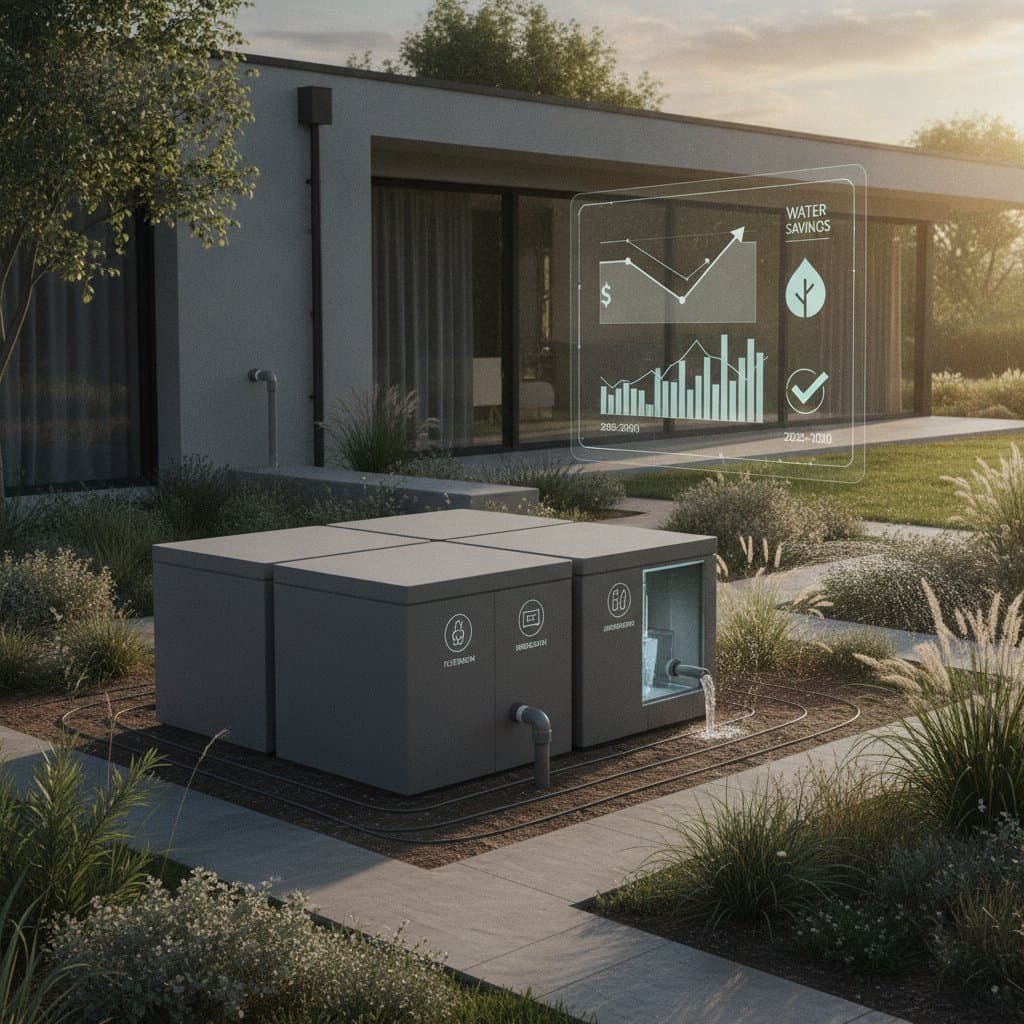
Greywater systems deliver measurable returns through reduced utility bills and resource conservation. Average households use thousands of gallons annually for irrigation, much of which greywater replaces. Savings accumulate over time, often recouping installation costs within five years.
Consider a family of four generating fifty gallons of greywater daily from laundry and showers. Redirecting this to landscaping cuts freshwater purchases by up to thirty percent. At current rates of three to five dollars per hundred cubic feet, annual savings reach two hundred dollars or more.
Environmental gains include lower energy use at treatment plants and preserved aquifers. Healthier soils from nutrient-rich water reduce fertilizer needs. In communities facing water shortages, these systems contribute to broader resilience.
Track personal savings with a usage meter on the irrigation line. Adjust habits, like consolidating laundry loads, to optimize output. Over years, the system enhances property value through demonstrated sustainability.
Planning Your Greywater Upgrade
Transitioning to a greywater system starts with site evaluation. Map plumbing access points and irrigation areas to identify feasible connections. Consult professionals for complex layouts or uncertain soil conditions.
Gather required documents for permits and select materials suited to local climate. Prioritize systems with warranties covering defects and performance. Begin small if budget limits full implementation.
Engage family in the process to ensure buy-in for maintenance. Celebrate milestones, like the first successful irrigation cycle, to reinforce commitment. This upgrade not only trims bills but fosters a deeper connection to home resource management.
Each gallon reused represents progress toward efficiency. Homeowners who invest thoughtfully enjoy sustained benefits for their landscapes and wallets.