Essential Fall HVAC Preparation to Prevent Winter Breakdowns
Cold weather demands a dependable heating system to maintain home comfort. Homeowners often delay furnace activation until the first frost, only to encounter startup difficulties or inadequate airflow. Fall preparation fortifies the HVAC system against such issues, minimizes energy consumption, and prolongs equipment durability. Timely interventions identify minor problems early, avoiding substantial repair expenses.
This guide outlines a structured approach to winterize your heating system, blending accessible DIY measures with expert recommendations.
Comprehensive Fall HVAC Maintenance Checklist
1. Replace or Clean Air Filters
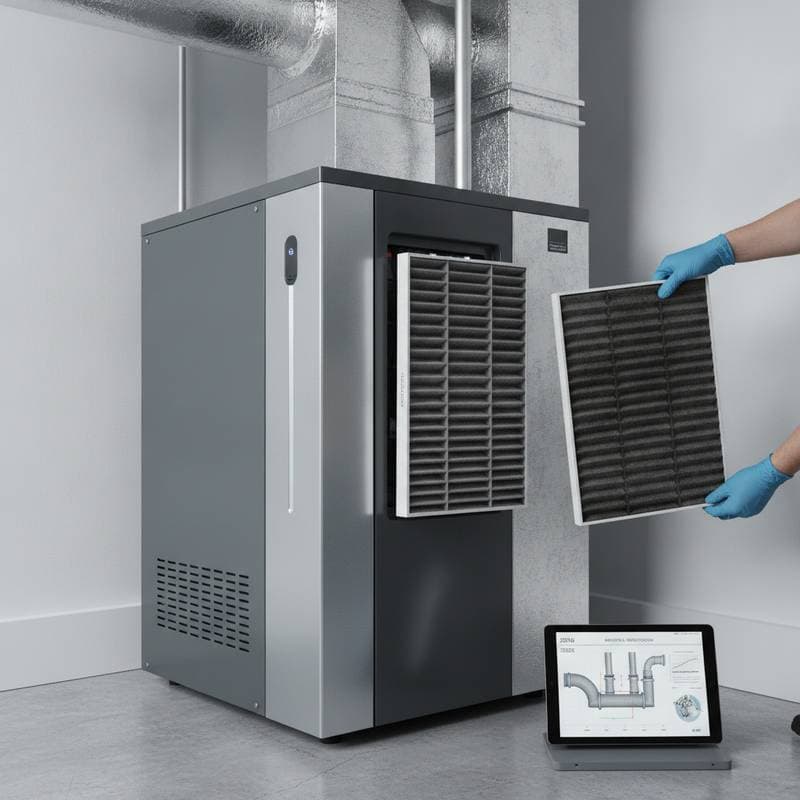
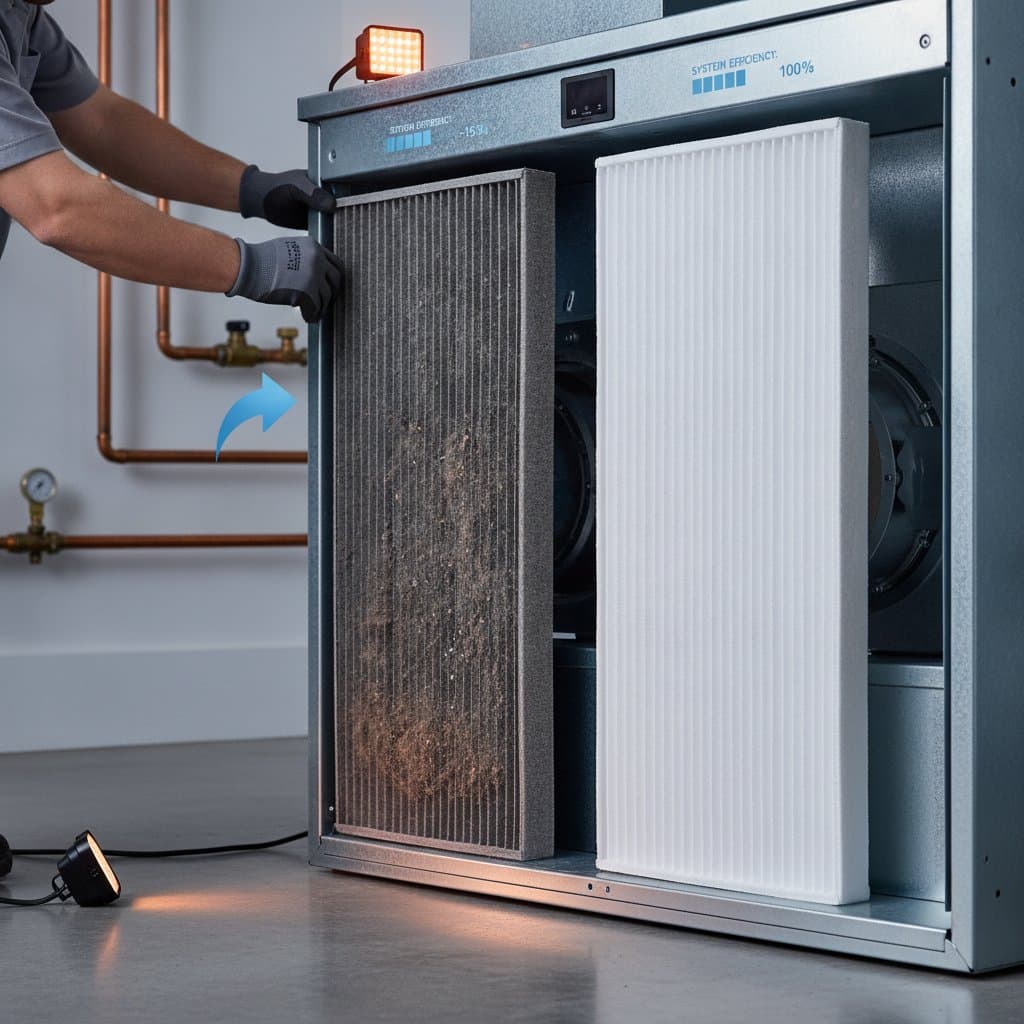
Air filters capture dust, pollen, and particulates that travel through ductwork. Accumulated debris impedes airflow, compelling the system to operate under strain. Homeowners should replace disposable filters or wash reusable ones every one to three months. In preparation for heating season, install a new filter to establish optimal conditions from the outset.
Fresh filters enhance indoor air quality and shield components such as the blower motor from particulate damage. Residents with pets or in high-dust areas benefit from more frequent changes, ideally monthly during peak usage.
2. Inspect and Clean Vents and Registers
Obstructions in vents compromise overall system performance. Conduct a room-by-room inspection to confirm all vents remain fully open and free from furniture, rugs, or accumulated debris. Use a vacuum to remove dust, pet hair, or lint from registers.
These actions promote even airflow distribution and support the furnace in achieving uniform temperatures across the home. Regular attention to vents prevents localized hot or cold spots that strain the equipment.
3. Evaluate the Thermostat Function
A malfunctioning thermostat leads to inconsistent heating or excessive system cycling. Raise the setting by several degrees above the ambient room temperature to test responsiveness. If the system fails to activate promptly, consider recalibration or a full replacement.
Energy Star-certified smart thermostats offer advanced features, including schedule learning and automatic adjustments, which optimize energy use. Proper thermostat operation ensures precise temperature control and reduces unnecessary runtime.
4. Assess the Furnace or Heat Pump
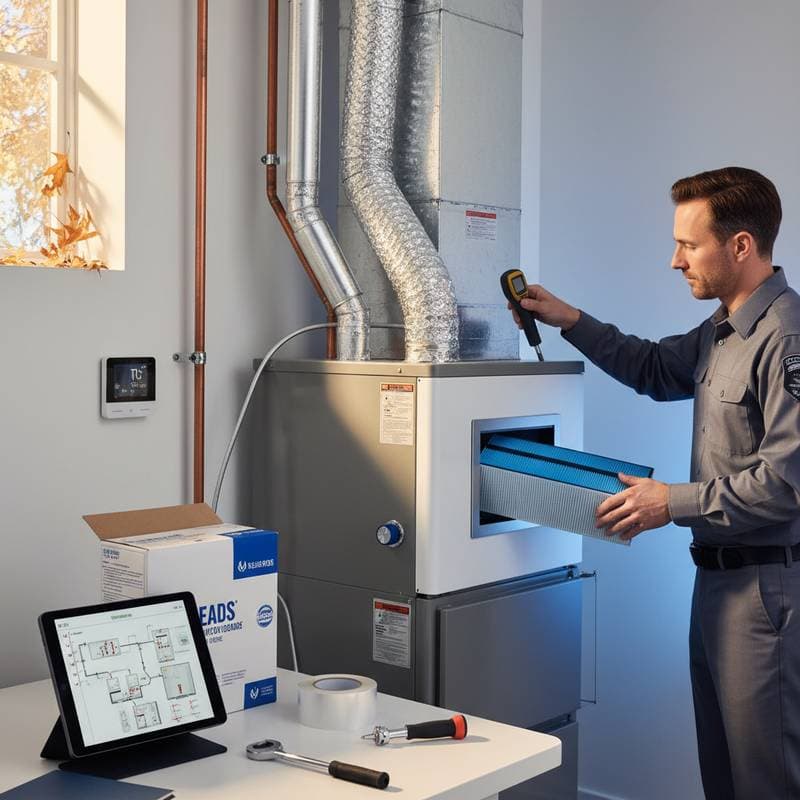
Prior to initial seasonal use, examine the heating unit for signs of wear. Check for rust, accumulated grime, or damaged wiring on the exterior. Upon startup, monitor for abnormal sounds; grinding or rattling indicates potential issues requiring immediate shutdown and professional evaluation.
Qualified HVAC technicians perform essential tasks such as burner cleaning, part lubrication, and detection of gas leaks or carbon monoxide hazards. Annual inspections by certified professionals mitigate risks and ensure compliance with safety standards.
5. Clear the Outdoor Unit Area
Heat pump systems rely on unobstructed outdoor condensers for efficient operation. Remove leaves, twigs, and other debris encircling the unit, preserving a minimum two-foot clearance. Trim encroaching vegetation to avoid airflow restrictions.
This maintenance prevents motor overheating and maintains heat transfer effectiveness. Neglect in this area can lead to reduced heating capacity during peak demand periods.
6. Detect and Seal Ductwork Leaks
Duct leaks diminish heating efficiency by permitting warm air to dissipate into unconditioned spaces. Inspect visible duct sections in attics, basements, or crawl spaces for separations or gaps. Apply aluminum foil tape or mastic sealant to address minor breaches.
For comprehensive assessment, professionals conduct pressure tests to identify hidden leaks and apply advanced sealing techniques. Research from the Lawrence Berkeley National Laboratory indicates that unsealed ducts can decrease heating efficiency by up to 30 percent, underscoring the value of this step.
7. Verify Carbon Monoxide and Smoke Detectors
Gas furnaces necessitate functional carbon monoxide detectors for resident safety. Replace batteries annually and perform monthly tests on all units. Carbon monoxide poses a silent threat, undetectable without proper alarms.
Incorporate smoke detector testing into the routine to cover fire risks associated with heating systems. Reliable detection devices provide essential early warnings, potentially preventing tragedies.
Practical Strategies to Control Heating Costs
Effective maintenance need not incur high expenses; numerous enhancements prove economical or cost-free. Implement these measures to manage winter energy demands:
- Seal Building Envelope Gaps: Apply weatherstripping to doors and caulk around window frames to retain indoor heat.
- Enhance Insulation Levels: Add materials to attics and crawl spaces to minimize heat escape and stabilize indoor temperatures.
- Adopt Programmable Thermostats: Program setbacks during sleep or absence to curtail runtime and consumption.
- Reverse Ceiling Fan Direction: Operate fans in clockwise mode to redistribute rising warm air toward occupied spaces.
- Purchase Filters in Quantity: Bulk acquisitions reduce per-unit costs and guarantee supply for ongoing needs.
HVAC experts emphasize the economic benefits of preventive care. Data from a national service provider reveals that proactive maintenance participants incur approximately 25 percent lower repair costs over five years compared to reactive approaches.
Steering Clear of Frequent Heating Pitfalls
System failures often stem from avoidable errors. Recognize and circumvent these issues:
- Neglecting Filter Maintenance: Clogged filters cause the most common airflow restrictions and accelerate component degradation.
- Overlooking Noises: Squeals or bangs typically denote failing belts, bearings, or alignments needing prompt attention.
- Enclosing Outdoor Components: Covering heat pumps traps condensation, fostering rust and electrical faults.
- Restricting Multiple Vents: Closing vents in vacant rooms elevates duct pressure, risking damage to the blower.
- Postponing Service Calls: Delaying inspections until mid-winter results in premium pricing and scheduling delays.
Awareness of these mistakes empowers homeowners to sustain peak performance throughout the season.
Sustaining Efficiency and Comfort Year-Round
Consistent fall preparation transforms potential winter woes into seamless heating experiences. These steps not only avert breakdowns but also foster energy savings and environmental responsibility. Commit to annual routines to protect your investment and ensure enduring home comfort.