Prepare Your HVAC System for Winter with a Fall Maintenance Checklist
Fall preparation of your heating, ventilation, and air conditioning system ranks among the essential home upkeep activities. A properly maintained furnace and unobstructed ductwork ensure consistent comfort while minimizing the risk of expensive fixes amid harsh winter conditions. This guide details each preparation step, from filter replacement to thermostat verification, to maintain warmth and operational efficiency throughout the season.
HVAC Service Cost Essentials
Grasp the standard expenses associated with heating, ventilation, and air conditioning services before initiating maintenance. Professional furnace tune-ups typically cost between $75 and $200 nationwide, with variations based on the extent of the inspection. Residents in regions with severe winters face higher fees due to increased system demands and technician availability constraints. In milder coastal or southern areas, rates remain lower because equipment endures less stress.
Broader economic factors, such as fluctuating energy prices and supply chain issues for parts, impact service fees. Rising costs for components like refrigerants translate directly to higher charges for homeowners. Demand peaks in late fall and early winter, which elevates prices; thus, booking appointments in early autumn secures better rates and availability.
Common Pricing Approaches and Service Options
Heating, ventilation, and air conditioning providers employ diverse billing methods tailored to the work required. Hourly charges, often $100 to $150 per hour, apply to diagnostic efforts or unforeseen repairs. Flat-rate pricing suits routine tune-ups or inspections, providing predictability for standard procedures.
Many firms propose package deals that integrate furnace servicing, duct evaluations, and filter installations at reduced overall costs. Maintenance contracts, charged annually or biannually at $150 to $300, guarantee regular visits with benefits like expedited service and repair discounts. While one-off services offer convenience for occasional needs, long-term plans deliver superior savings and reliability.
Service Levels and Typical Costs
Providers categorize offerings into tiers to match different homeowner requirements. Entry-level packages focus on basic tasks: filter swaps, thermostat calibration, and surface-level inspections, priced from $75 to $125. These suffice for relatively new installations with minimal issues.
Mid-tier services incorporate thorough cleaning, airflow assessments, and gas furnace safety evaluations, ranging from $125 to $175. Such options enhance reliability and justify the modest increase through improved functionality.
Advanced tiers feature comprehensive diagnostics, full duct cleaning, and efficiency audits, costing $175 to $250 or more. Homeowners with older units or inconsistent bills benefit most from these, especially when adding features like smart thermostat setup or humidity adjustments, which push expenses toward $300.
Factors That Determine Maintenance Expenses
Multiple elements dictate the total price of heating, ventilation, and air conditioning upkeep. Home square footage and system scale influence inspection time; larger furnaces or zoned setups demand extended labor. Intricate configurations, including hybrid models or specialized filters, extend the process and raise fees.
Equipment state plays a significant role. Systems with accumulated grime on coils or obstructed filters require additional restoration efforts. Supplementary materials, such as replacement filters or drive belts, add to the bill. Requests for urgent or weekend service incur surcharges of 20 to 50 percent.
Essential Fall Heating, Ventilation, and Air Conditioning Checklist
Follow this sequence of tasks to ready your system for winter demands. Each action promotes efficiency, cuts energy use, and safeguards against hazards.
-
Replace or Clean Air Filters
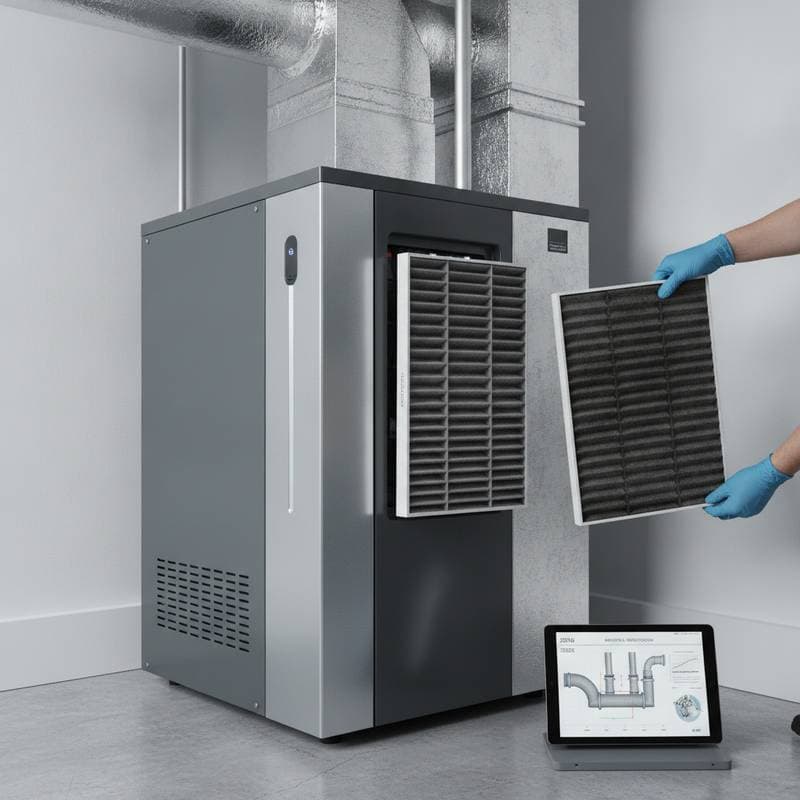
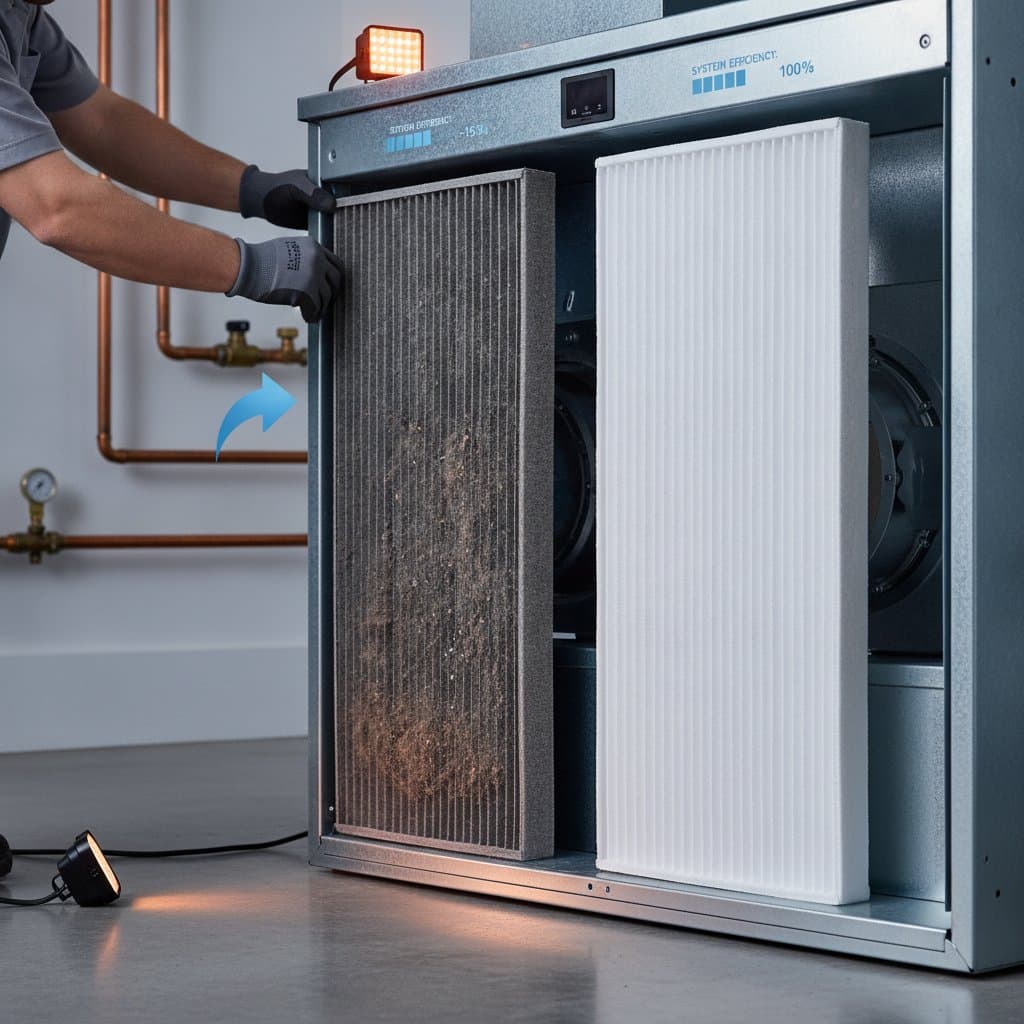
Clogged filters impede airflow and overwork the blower motor. Swap out standard filters monthly during peak seasons or clean washable variants with mild soap and water. In dusty environments or pet-filled homes, inspect biweekly. Select filters matching your unit's dimensions, typically 16x25x1 inches for residential models, to avoid gaps. -
Verify Thermostat Functionality
Switch to heat setting and increase the target by four degrees. The system activates promptly if operational. Troubleshoot power supply or low batteries if response lags. For programmable models, ensure software updates and stable internet links to optimize schedules and prevent energy loss from inaccuracies. -
Clean Supply and Return Vents
Detach covers and use a vacuum with brush attachment to remove dust buildup. Obstructions force the system to labor harder, raising bills by up to 25 percent. Position furniture away from registers and keep drapes clear to facilitate uniform heat circulation across rooms. -
Examine Furnace Flame Sensor and Igniter
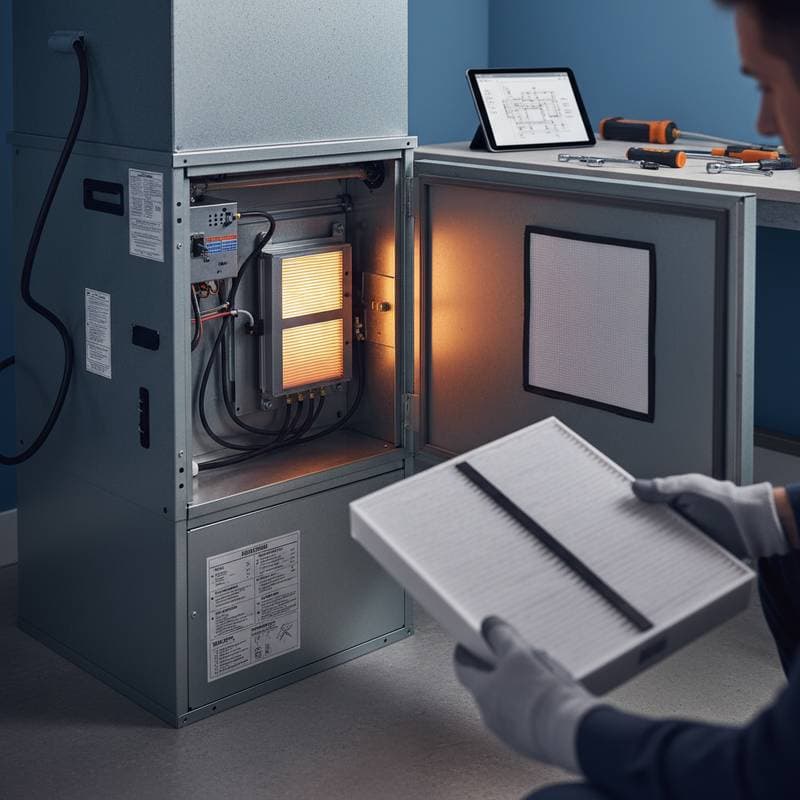
For those at ease with basic access, power down the unit and check the sensor rod for soot or residue. Clean gently with fine steel wool or emery cloth to restore conductivity. Faulty sensors lead to frequent shutdowns; professional intervention follows if issues persist. -
Test Carbon Monoxide Alarms
Furnaces fueled by gas generate potential leaks, necessitating vigilant detection. Press test buttons on units monthly and replace batteries annually. Adhere to three-to-five-year lifespans for sensors to guarantee reliable alerts against invisible threats. -
Clear Perimeter of Outdoor Components
Heat pump users must sweep away foliage and debris encircling the condenser. Preserve a 24-inch buffer zone to support unrestricted operation. Accumulated debris invites corrosion and hampers defrost functions in subzero temperatures. -
Assess Duct Integrity for Air Loss
Scan accessible joints for separations or tears that waste heated air. Apply mastic sealant or foil tape to minor breaches, ensuring a tight seal. Substantial leaks warrant expert reinforcement to recapture up to 30 percent of lost efficiency. -
Apply Lubricant to Mechanical Elements
Access ports on motors and fan assemblies require a few drops of SAE 20 non-detergent oil quarterly. This reduces operational noise and extends part longevity by minimizing metal-on-metal contact. Consult your manual for exact locations to avoid over-application. -
Inspect Drainage and Collection Areas
High-efficiency furnaces produce acidic condensate that demands clear paths to avoid backups. Flush lines with a vinegar solution and empty pans to prevent microbial growth. Blockages risk component corrosion or flooding in utility spaces. -
Arrange Expert Inspection
DIY efforts complement but do not replace technician expertise. Professionals measure combustion ratios, adjust burner flames, and detect hidden faults using tools like manometers. Studies indicate such visits prolong equipment life by 5 to 10 years and trim fuel use by 10 to 15 percent.
Optional Enhancements and Extra Fees
Consider supplements to elevate air quality and control. Professional duct sanitation, priced at $300 to $500 for average homes, eliminates years of contaminants and eases allergy symptoms. Upgraded filtration media, like MERV 13 ratings, incurs $20 to $50 more upfront but filters finer pollutants over extended periods.
Integrating Wi-Fi-enabled controls adds $150 to $250 in labor and hardware, enabling remote adjustments that adapt to occupancy patterns. Emergency or off-peak responses command 25 to 100 percent premiums; proactive scheduling sidesteps these penalties.
Professional Advice and Homeowner Guidance
Experts stress proactive care to avert disruptions. Michael Torres, a certified heating, ventilation, and air conditioning technician in the Midwest, notes that about 50 percent of urgent winter service requests stem from overlooked fall checks. Surveys confirm that consistent upkeeps correlate with 20 percent fewer failures and elevated resident satisfaction.
Evaluate your system's AFUE rating, where scores above 90 percent signal superior fuel conversion. Higher-rated units demand precise tuning but yield long-term savings. Review warranty terms prior to any modifications to preserve coverage against defects.
Implement Your Maintenance Plan
Complete these preparations to fortify your home against winter chills. Document all activities in a log for future reference and set alerts for spring follow-ups. This routine not only stabilizes temperatures but also purifies air and safeguards your budget.
Seek certified help for complex tasks to ensure compliance and safety. Such foresight delivers dependable heat, sustained efficiency, and confidence from November frosts to March thaws.