Prepare Your HVAC System for Winter: Key Fall Tune-Up Steps
As temperatures fall, the HVAC system takes center stage in maintaining home comfort. A thorough fall tune-up ensures optimal performance, safety, and reliability during the heating season. Neglecting this preparation frequently results in elevated energy consumption, inconsistent warmth, and unexpected system failures. Investing time in preventive measures now averts disruptions and expenses when winter peaks.
Inspect and Replace Air Filters
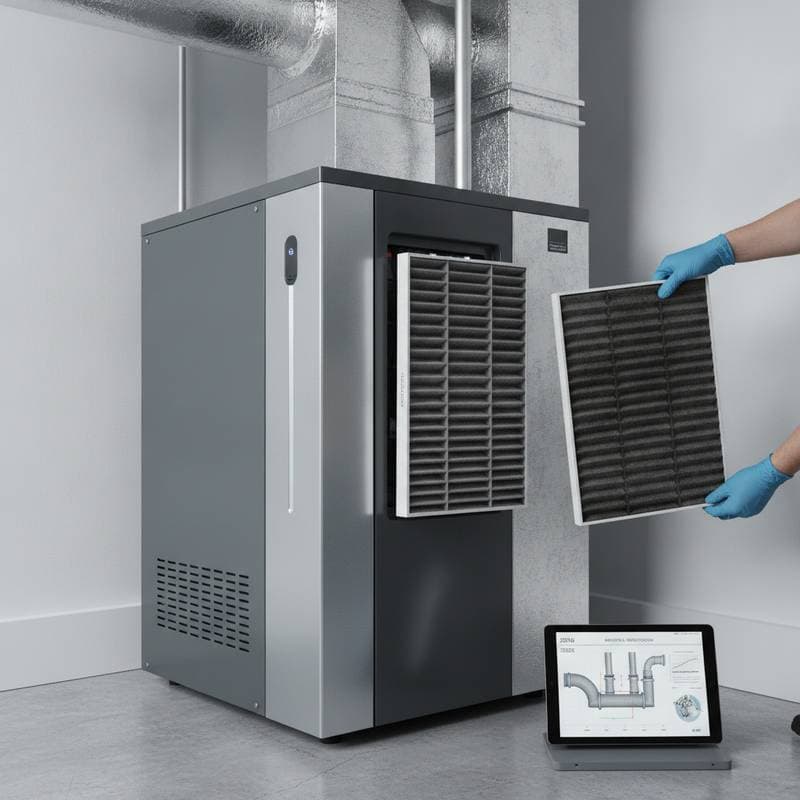
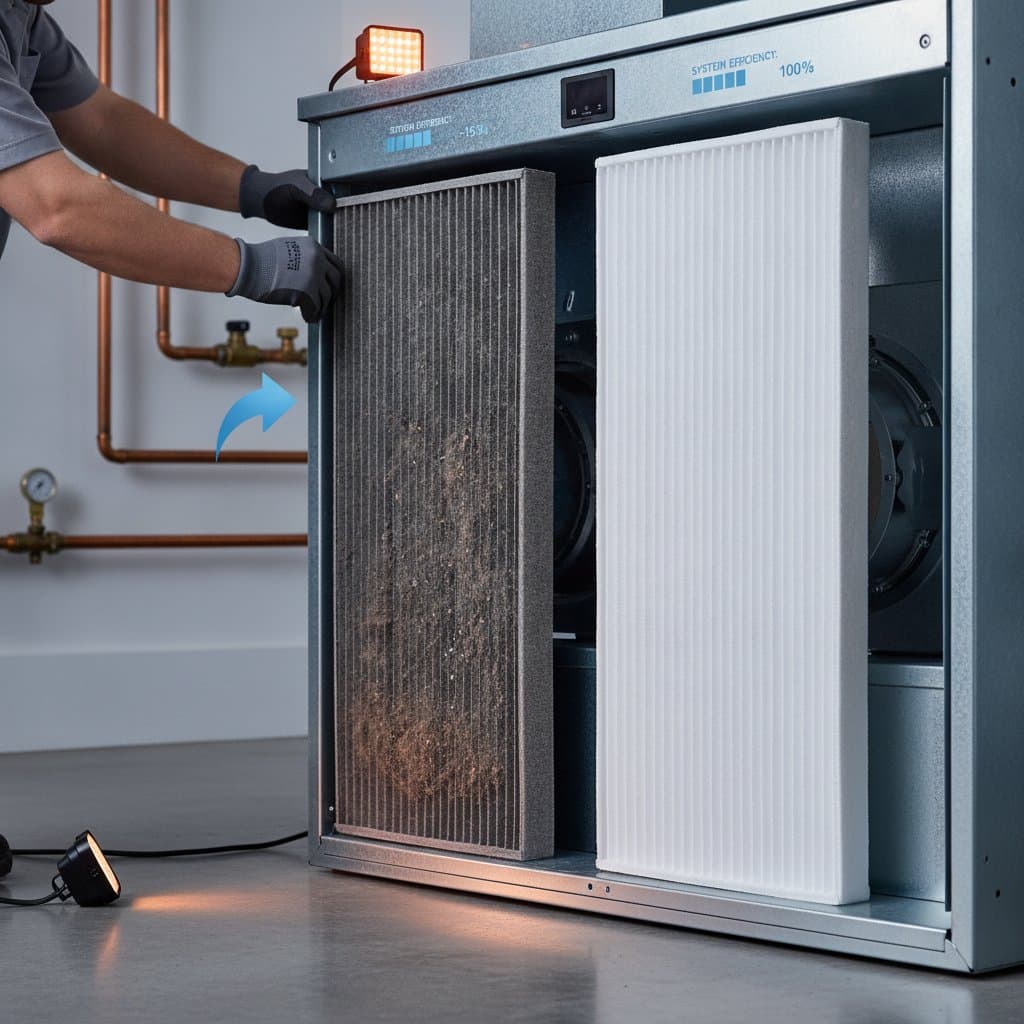
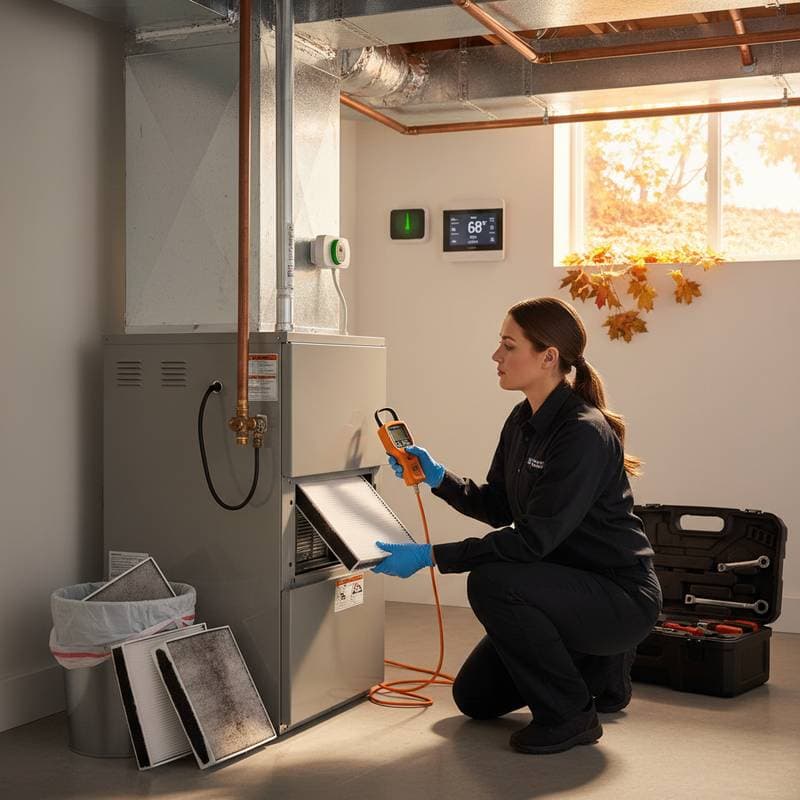
Begin the tune-up process by examining the air filters, which play a vital role in system efficiency. Clogged filters impede airflow, compelling the furnace to strain and consume excess energy. Professionals recommend replacing disposable filters or washing reusable ones every one to three months, particularly during peak heating periods. Basic pleated filters typically range from 10 to 30 dollars, whereas advanced high-MERV options, which capture finer particles, may cost up to 50 dollars. Fresh filters promote consistent airflow, minimize indoor allergens, and prolong furnace longevity by reducing wear on internal components.
Clean and Clear Vents and Registers
Obstructed vents disrupt even heat distribution, leaving some areas chilly while others overheat. Conduct a room-by-room inspection to confirm that furniture, draperies, or carpeting do not block supply registers or return grilles. Employ a vacuum cleaner equipped with a soft brush attachment to dislodge surface dust and debris. For persistent accumulations within ductwork, consider hiring specialists for a deep clean, which enhances indoor air quality and overall system performance. Although duct cleaning services incur higher fees, often 300 to 500 dollars depending on home size, the benefits in efficiency and health justify the investment for many households.
Test and Calibrate the Thermostat
Verify thermostat functionality by switching to heat mode and incrementally increasing the setpoint by several degrees. Observe whether the system activates promptly and delivers warm air through the vents. Failure to respond may indicate faulty wiring, a malfunctioning sensor, or battery issues in programmable models. Upgrading to a smart thermostat represents a smart long-term choice, with studies showing potential savings of 10 to 15 percent on heating bills through precise scheduling, remote access, and adaptive learning features. Proper calibration ensures the system operates only when necessary, conserving energy without sacrificing comfort.
Examine the Furnace and Blower Assembly
Prior to the onset of cold weather, access the furnace cabinet to assess its condition. Look for accumulations of dust, signs of rust, or corrosive damage on metal surfaces. Carefully vacuum the blower compartment and motor housing, taking care to avoid disturbing electrical connections. Inspect for unsecured access panels or damaged insulation. Immediate professional intervention becomes essential if gas odors emanate from the unit or if black soot appears around the burners, as these signal potential hazards. Regular attention to these elements, such as lubricating moving parts and securing components, mitigates the risk of operational failures during peak demand.
Verify Exhaust Vents and Carbon Monoxide Protections
Effective exhaust systems prevent hazardous buildup in combustion furnaces, boilers, or water heaters. Clear the exterior vent pipe of autumn debris like fallen leaves, bird nests, or rodent obstructions to maintain unobstructed airflow. Inside, test all carbon monoxide alarms monthly, replacing batteries annually or as indicated. Position detectors on each floor, especially near bedrooms and fuel-burning appliances, following manufacturer guidelines for optimal placement. These precautions shield occupants from the dangers of colorless, odorless carbon monoxide, which claims lives annually due to poor maintenance.
Arrange for Professional Inspection and Service
DIY efforts provide a strong foundation, yet a licensed HVAC technician delivers comprehensive evaluation and adjustments beyond basic checks. Standard tune-up visits range from 100 to 200 dollars and encompass ignition sequence testing, refrigerant level verification for heat pumps, burner flame inspection, and airflow measurements. Experts frequently detect subtle wear, such as worn belts or misaligned pulleys, averting major overhauls that could exceed 1,000 dollars. Opt for seasonal packages from reputable providers, which often bundle priority service and multi-year warranties for added protection.
Maximize System Longevity Through Ongoing Care
Systems under regular maintenance achieve 20 to 30 percent greater efficiency and endure 10 to 15 years beyond the average lifespan of neglected units. Maintain a detailed log documenting filter swaps, professional services, and minor fixes to streamline future diagnostics and validate manufacturer warranties. Beyond immediate winter readiness, consistent upkeep fosters a healthier indoor environment by controlling humidity and pollutants. This proactive approach not only curbs utility expenses but also enhances overall home resilience against seasonal extremes, delivering sustained comfort and security year-round.