Essential Fall HVAC Checks to Avoid Winter Breakdowns
As temperatures decline, the HVAC system emerges as a critical component of home functionality. Fall preparation minimizes the likelihood of malfunctions, controls heating expenses, and guarantees consistent comfort during colder months. A structured maintenance approach lowers the chances of urgent repairs and prolongs the operational lifespan of furnaces or heat pumps.
This guide details key procedures for readying the HVAC system for winter, ranging from filter examinations to thermostat evaluations. Individuals may perform initial tasks independently or engage professionals, ensuring warmth and tranquility throughout the season.
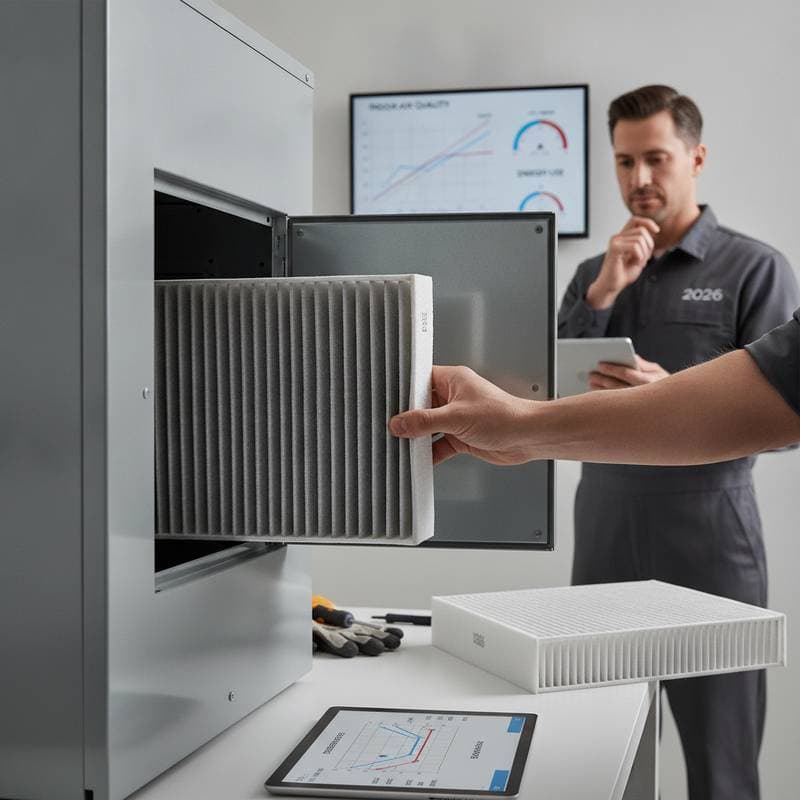
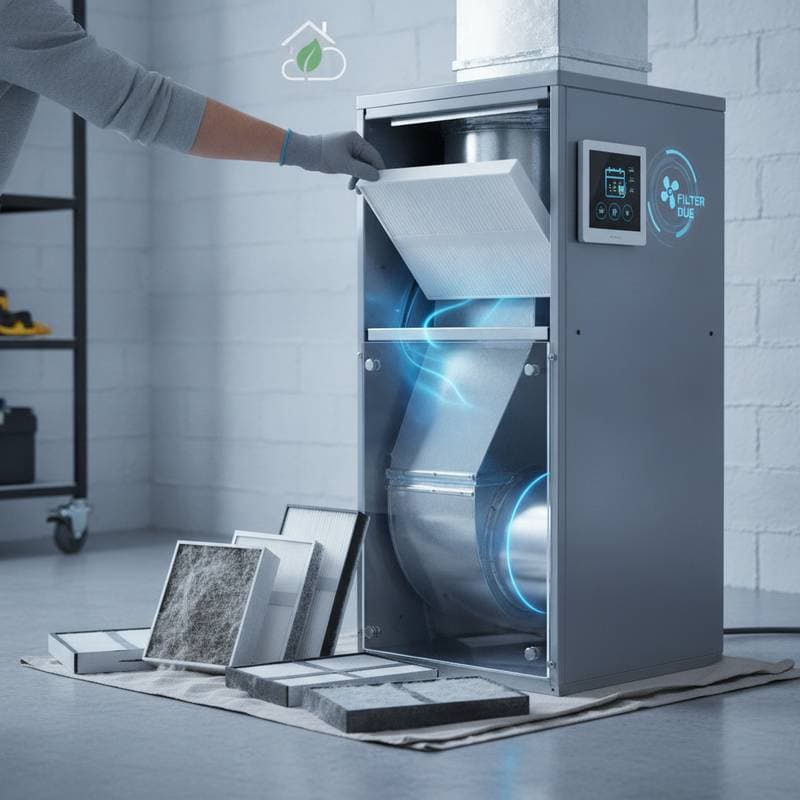
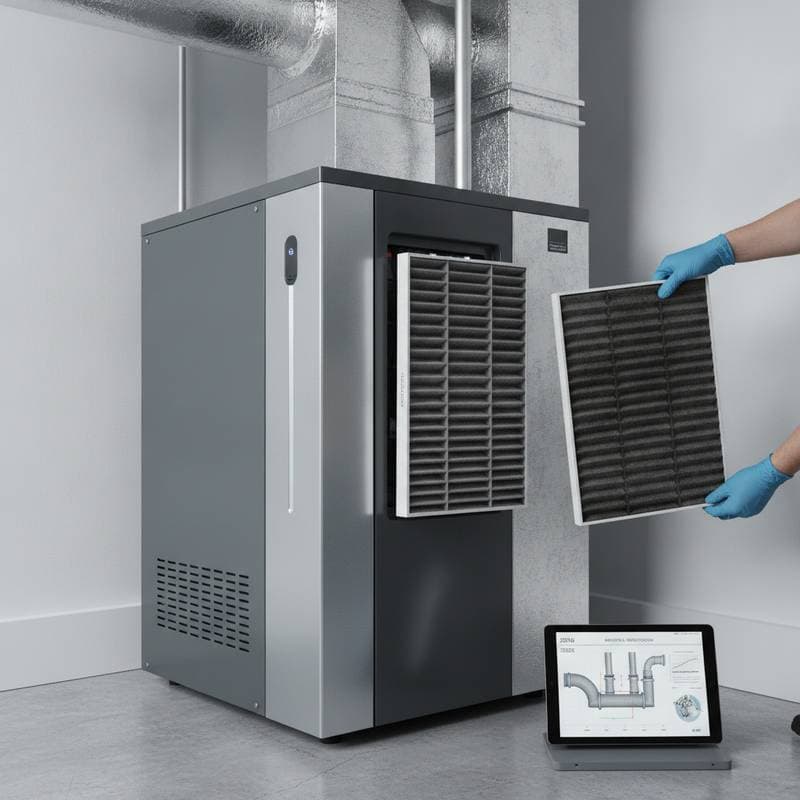
Inspect and Replace Air Filters
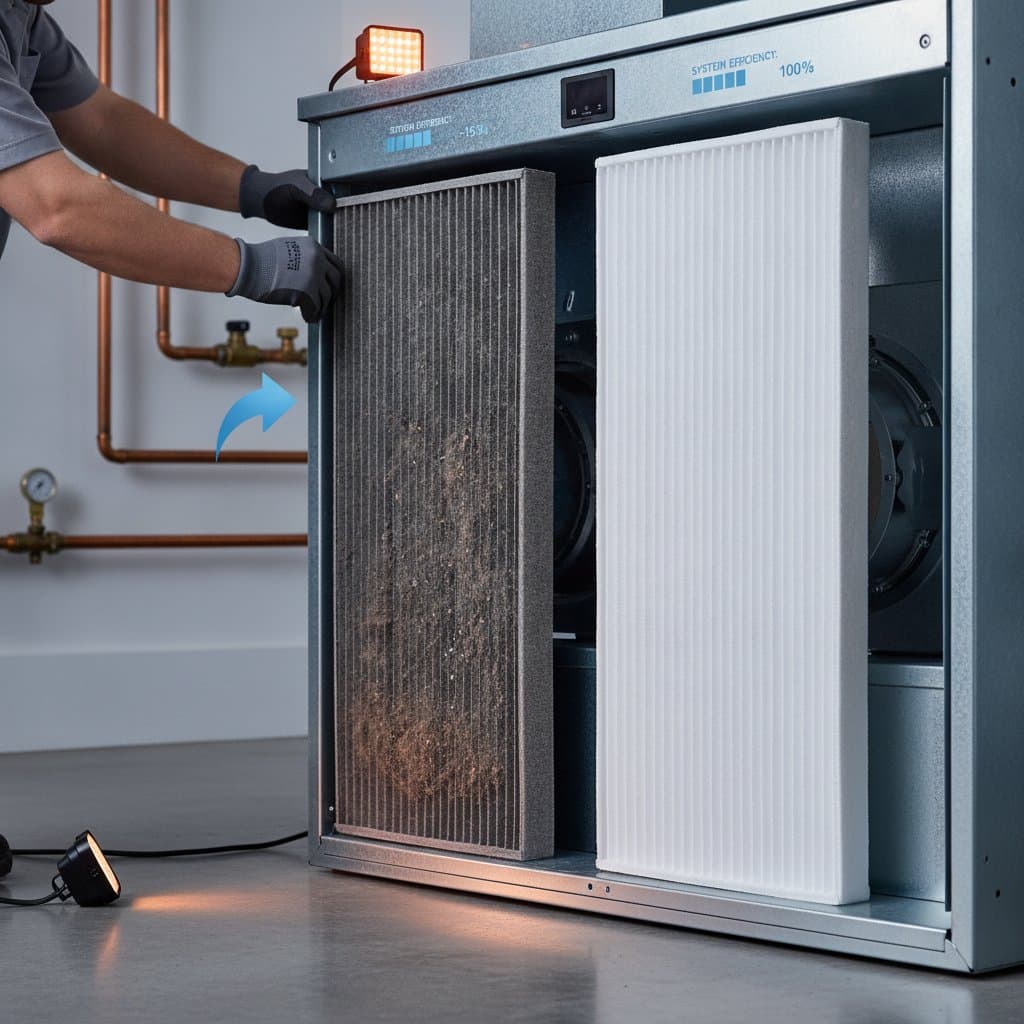
Clogged air filters represent the primary source of heating inefficiency. Restricted airflow compels the system to operate more strenuously, consuming additional energy. Examine the filter monthly during heating periods and replace it upon observing dirt accumulation.
Select a filter aligned with system requirements. Filters with higher efficiency capture greater amounts of dust and allergens, yet they must not impede airflow excessively. Pleated filters rated MERV 8 to MERV 11 provide an optimal combination of filtration effectiveness and system performance for many residences.
Maintaining clean filters can decrease energy consumption by up to 15 percent, based on insights from energy efficiency authorities. This practice also safeguards internal elements against dust accumulation, preserving overall system health.
Clean Vents and Registers
Effective airflow depends on unobstructed pathways. Use a vacuum to remove dust and pet hair from vents and registers. Ensure that furniture, curtains, or rugs do not obstruct access points. In cases of uneven room temperatures, verify that all vents remain open and free of blockages.
Obstructed vents generate pressure imbalances that accelerate wear on the blower motor. For homes with multiple levels, adjust duct dampers to equalize airflow across floors. Such modifications enhance comfort levels and optimize system efficiency noticeably.
To perform this task, start in high-traffic areas like living rooms and bedrooms. Employ a soft brush attachment on the vacuum for delicate surfaces, and wipe registers with a damp cloth afterward to capture residual particles. Regular cleaning, conducted quarterly, prevents long-term airflow restrictions.
Test the Thermostat
Prior to the onset of cold evenings, activate heating mode on the thermostat and raise the setting several degrees above ambient temperature. Observe the system activation and confirm the delivery of warm air through vents.
For programmable or smart thermostats, adjust seasonal configurations. Programming reduced temperatures during sleep or absence periods can reduce heating expenses by as much as 10 percent.
If the existing thermostat appears outdated or fails to respond accurately, evaluate options for a smart upgrade. Models from Ecobee, Honeywell, and Google Nest adapt to user patterns, optimizing efficiency through automated adjustments. Installation typically requires minimal wiring adjustments, often achievable with basic tools or professional assistance.
Inspect the Furnace or Heat Pump
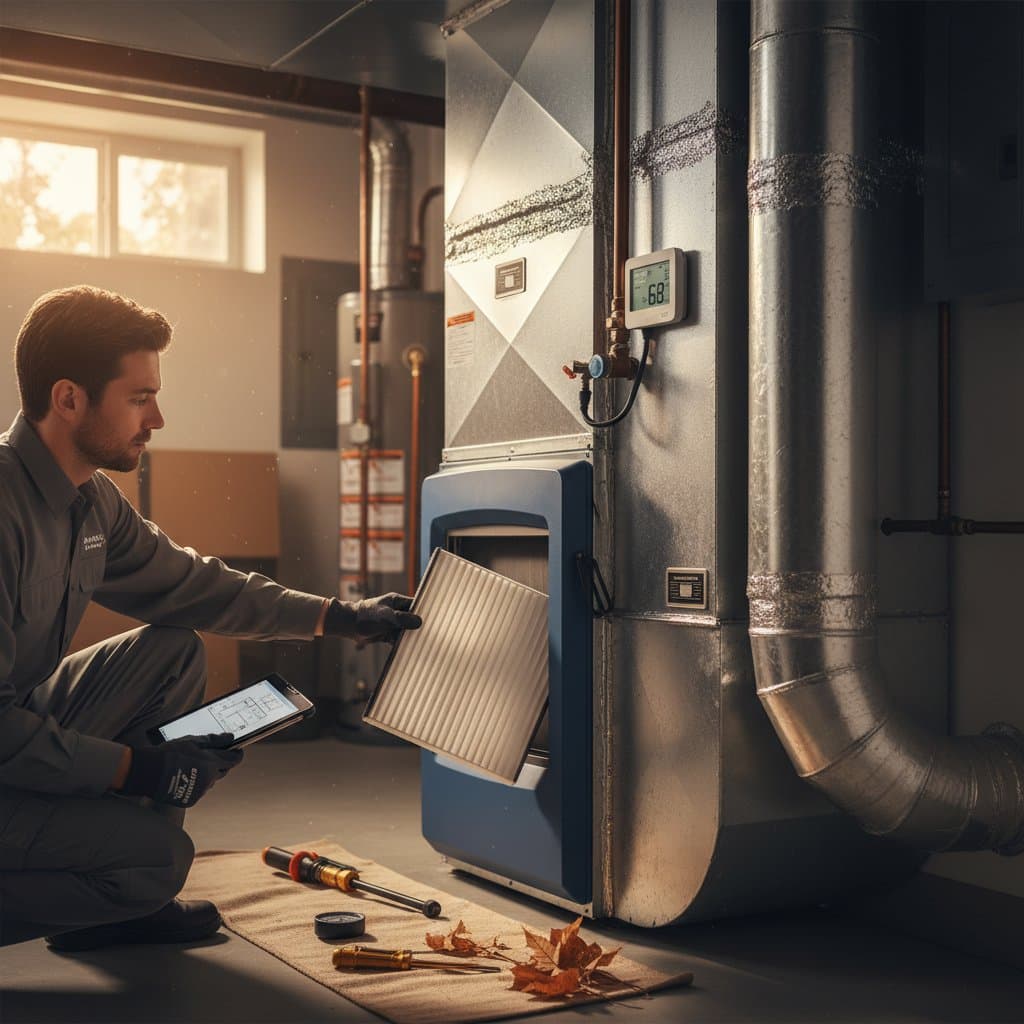
Conduct a preliminary visual assessment to identify potential issues. Search for indications of rust, soot, or condensation near the furnace enclosure. During operation, note any unusual rattling or grinding sounds, which signal the need for component servicing.
Clear dust and debris from the furnace surroundings. Maintain clearance from flammable materials. For heat pump systems, remove leaves and obstructions from the external unit, preserving at least two feet of clearance to facilitate unrestricted airflow.
Annual professional evaluations remain essential. Technicians examine the heat exchanger, blower motor, and ignition assembly while testing for gas leaks or carbon monoxide presence. These tune-ups, though involving a fee, prove more economical than emergency interventions and avert winter disruptions.
Schedule the inspection in early fall to address findings promptly. Technicians may lubricate moving parts, tighten electrical connections, and calibrate controls, ensuring peak performance as demand increases.
Check and Seal Ductwork
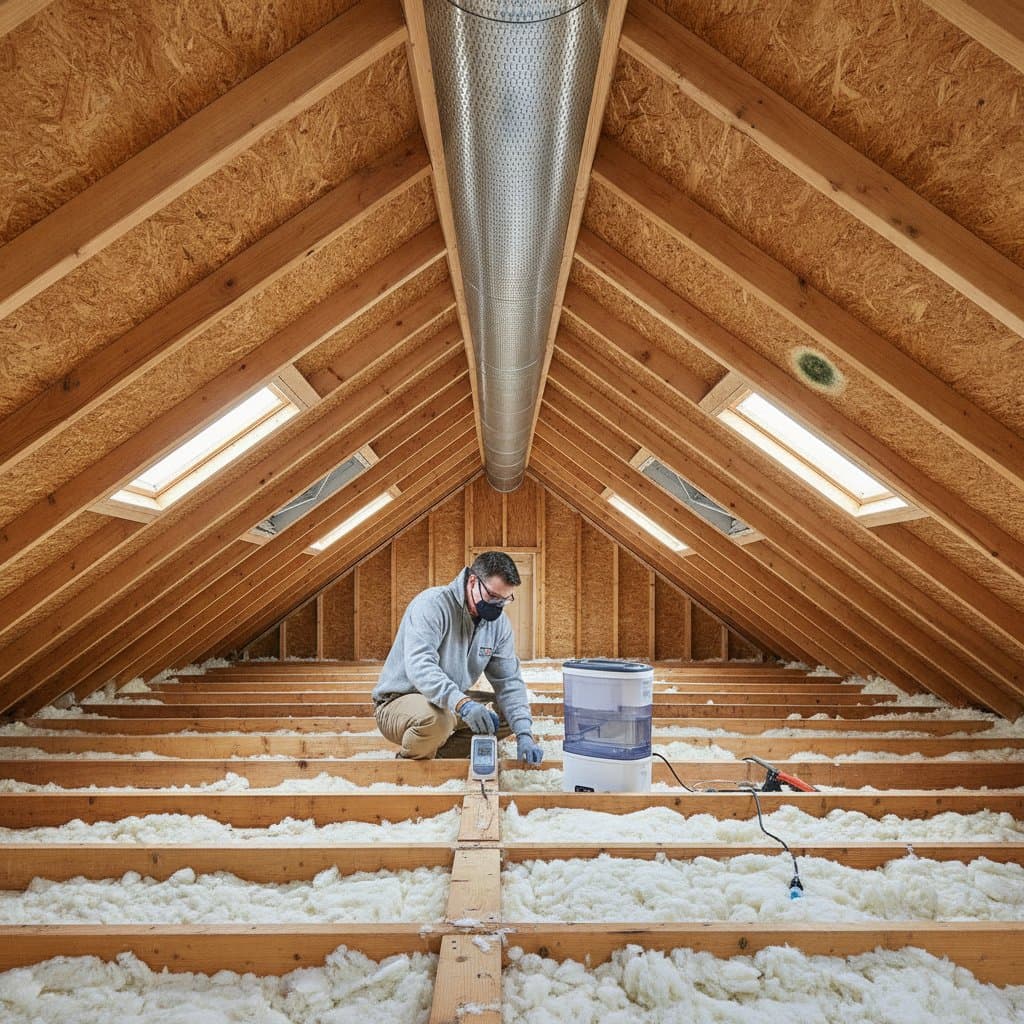
Leaky ducts result in the loss of up to 30 percent of conditioned air, as noted by the U.S. Department of Energy. Examine visible duct segments in basements, attics, or crawl spaces for separations, loose connections, or inadequate insulation.
Apply foil-backed HVAC tape to minor leaks, avoiding ordinary duct tape due to its tendency to degrade. For substantial openings, employ mastic sealant, which forms a durable barrier. Subsequently, insulate ducts to retain heat in unheated areas.
Persistent temperature variations across rooms may indicate concealed leaks. Request a duct pressure test from HVAC specialists, often included in maintenance services. This diagnostic reveals inefficiencies, enabling targeted repairs that enhance distribution uniformity.
Clear the Condensate Drain and Humidifier
Furnaces or air handlers feature condensate drain lines to expel operational moisture. Clogs from algae or sediment can cause overflows or system halts over time.
Flush the drain line with a vinegar solution to dissolve buildup, using a wet-dry vacuum for extraction if necessary. Perform this every three months to maintain patency.
Whole-house humidifiers require water panel replacement and operational verification. Proper humidity levels mitigate dry air effects, safeguard wooden furnishings, and create a perception of greater warmth at lower thermostat settings. Aim for 30 to 50 percent relative humidity during heating season.
Schedule a Professional Tune-Up
Basic self-maintenance complements but does not substitute for expert oversight. Professionals deploy specialized diagnostics to assess combustion safety, gas pressure, and performance metrics.
Homeowners report fewer winter interventions and reduced utility bills following fall tune-ups, per community forums. The investment yields substantial returns in reliability and cost savings.
Contact certified technicians through local directories or service networks. Request documentation of findings and recommendations to track system health over time.
Steps for Long-Term System Reliability
For furnaces exceeding ten years or demanding repeated repairs, initiate replacement planning proactively. Contemporary high-efficiency units substantially lower heating costs, elevate comfort, and refine indoor air quality.
Consistent inspections and straightforward maintenance preserve this essential asset. Advance preparation equips the HVAC system to deliver dependable warmth, sidestepping unexpected expenses and fostering seasonal ease.