Why Fall Is Key for HVAC Filter Swaps
When cooler air begins to settle in, many homeowners prepare to activate the furnace after months of disuse. The HVAC filter often receives less attention than it deserves. This essential component influences air quality, energy efficiency, and the overall performance of the heating and cooling system. Replacing the filter during the fall ensures smooth operation through the colder months and helps avoid expensive repairs down the line.
Why Fall Matters for Filter Replacement
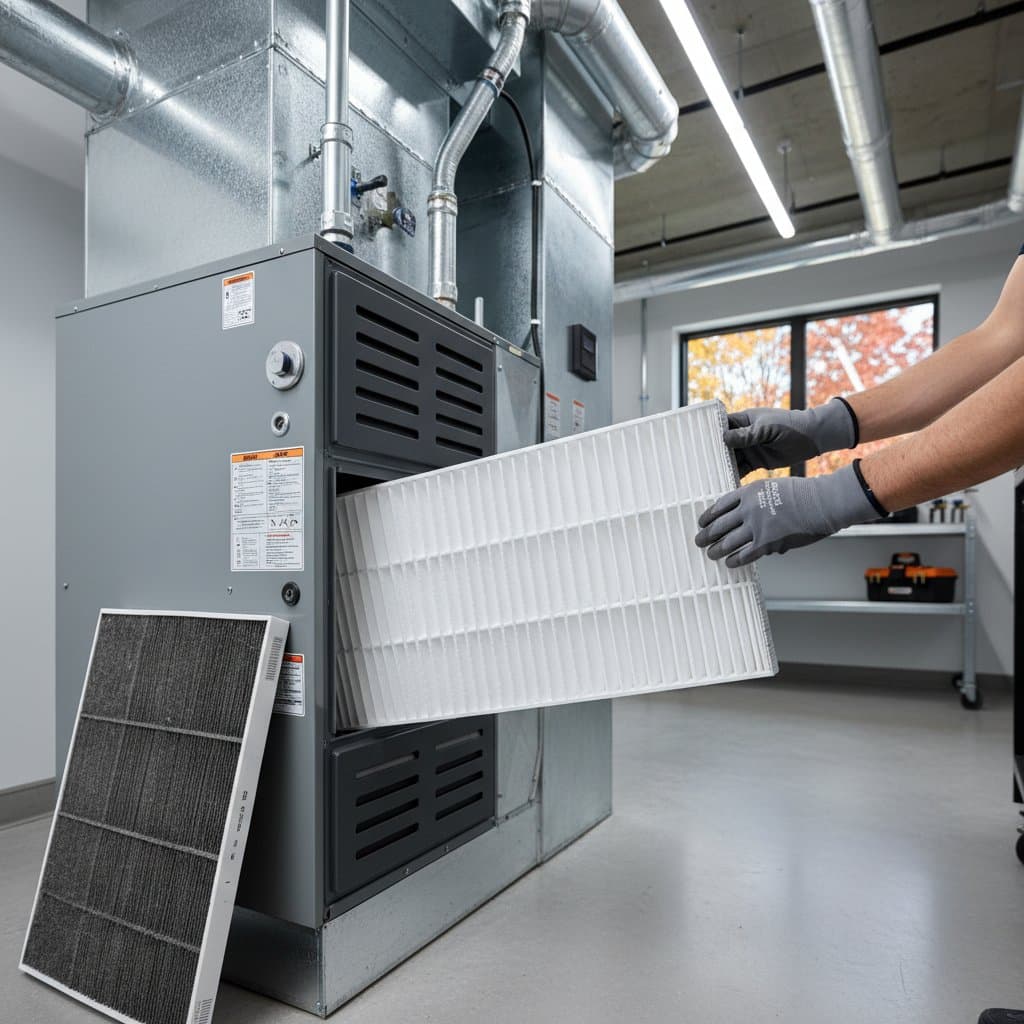
Fall serves as a transitional period when homes shift from cooling to heating modes. Throughout the summer, air conditioners draw in dust, pollen, and other debris that accumulate in the filters. By fall, these filters typically carry significant buildup. Neglecting replacement compels the HVAC unit to labor more intensely, which elevates energy consumption and accelerates wear on the system.
Professionals in the HVAC field emphasize that the onset of heating season presents the optimal moment for installing a new filter. Clean filters enhance airflow, ease the load on the blower motor, and sustain even indoor temperatures. Homeowners seeking dependable winter performance benefit greatly from this strategic timing.
Understanding Your HVAC Filter’s Role
An HVAC filter captures airborne particles such as dust, pet dander, and mold spores to prevent their distribution throughout the home. A clogged filter impedes airflow. The system then exerts extra effort to force air past the obstruction, potentially causing overheating, frequent cycling, or outright failure.
A clean filter delivers several advantages:
- Enhanced indoor air quality through the reduction of allergens and pollutants
- Decreased energy costs via optimized system efficiency
- Extended equipment durability by minimizing stress on the blower and heat exchanger
Data from reliable sources indicates that a clogged filter can increase energy use by up to 15 percent. Performing this straightforward maintenance at the appropriate interval averts such unnecessary expenses.
Signs Your Filter Needs Replacement
Home environments vary, so even a regular schedule may require adjustments. Watch for these indicators that signal the need for a new filter:
- The filter appears darkened or dusty when inspected against light
- Airflow from vents seems reduced
- The furnace or air conditioner operates for extended periods
- Dust accumulates more noticeably on surfaces like furniture and floors
- Indoor allergy or respiratory issues worsen
Upon observing any of these signs, replace the filter promptly rather than adhering strictly to a calendar.
Choosing the Right Filter
Filters differ in material, thickness, and efficiency. The MERV rating system evaluates particle capture effectiveness. For residential setups, mid-range MERV filters strike an effective balance between air purification and unrestricted airflow.
Consider these options:
- Fiberglass filters offer low cost and disposability, though they trap fewer particles
- Pleated filters secure more dust and endure longer, suiting the majority of households
- High-efficiency filters elevate air cleanliness levels but demand compatibility with the system to avoid airflow restrictions
Consult a qualified technician to determine the ideal filter based on your system's specifications and family health requirements.
DIY vs Professional Filter Replacement
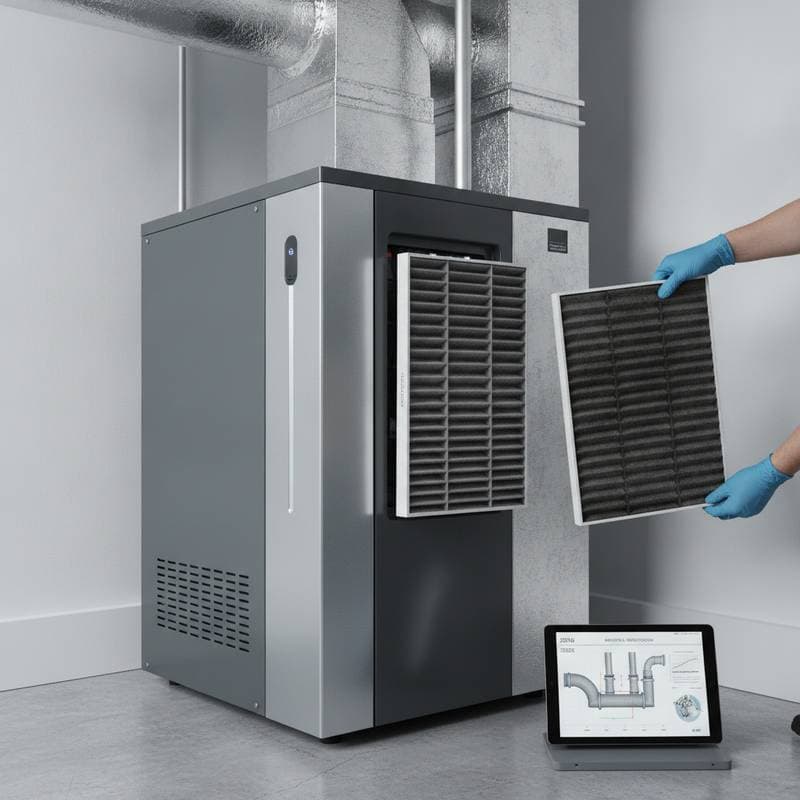
Filter replacement ranks among the easiest maintenance tasks for homeowners. Install the filter with the airflow arrows aligned correctly on the frame. Accurate sizing proves crucial, as improper fit diminishes effectiveness.
Professional services extend beyond mere replacement. Technicians examine ductwork, measure system pressure, and clean inaccessible parts. Experts advise combining seasonal filter changes with comprehensive inspections to uphold year-round reliability.
Cost Considerations for Homeowners
Filter replacement involves minimal expense relative to service calls or repairs. Basic disposable filters cost just a few dollars, whereas advanced models vary by type and dimensions.
The primary financial benefit arises from efficiency gains. Clean filters lower energy demands and prolong system longevity, potentially saving hundreds of dollars annually. In contrast, an ignored filter risks issues like frozen coils, overheating, or motor breakdowns, each incurring substantial repair fees.
Setting a Maintenance Schedule
Reliable HVAC performance hinges on routine care. Homeowners often use calendars or digital reminders for filter checks. Aligning changes with seasonal shifts aligns naturally with usage cycles.
Adopt this schedule for optimal results:
- Spring: Install a new filter prior to cooling season
- Fall: Refresh the filter ahead of heating demands
- Monthly: Inspect for visible accumulation during peak use
This method promotes energy conservation, maintains comfort, and supports efficient operation across seasons.
Protecting Your HVAC System Year-Round
The HVAC system represents a major home investment, with the filter acting as its primary safeguard. A well-maintained filter preserves air freshness and shields costly components from damage. Establishing fall filter replacement as routine practice yields energy savings, superior air quality, and heightened living comfort.
For streamlined maintenance, schedule filter swaps alongside professional tune-ups. Specialists assess vital parts, evaluate airflow, and fine-tune the system for peak performance as temperatures decline. Initiate the process by inspecting your filter this fall, ensuring your home stands prepared for the challenges ahead.