The Importance of HVAC Filters in Fall
As temperatures drop and heating systems activate, HVAC filters play a crucial role in protecting equipment and air quality. Dust, pollen, and debris accumulate during summer, clogging filters and forcing systems to work harder. Regular changes in fall prevent strain on heating components, ensuring reliable performance throughout the colder months.
Neglecting this maintenance leads to reduced airflow, higher energy bills, and potential breakdowns. Homeowners often overlook filters until issues arise, but proactive replacement yields immediate benefits. This article explores how to implement an effective filter strategy tailored to seasonal needs.
Understanding How Filters Protect Your Heating System
HVAC filters capture particles that circulate through your home's air. In fall, leaves, mold spores, and outdoor pollutants increase, burdening filters more than in warmer seasons. A clean filter maintains steady airflow, allowing the blower motor and heat exchanger to operate efficiently without overheating.
Clogged filters restrict air movement, causing the system to cycle longer and consume more energy. Over time, this strain accelerates wear on critical parts like the furnace or heat pump. By addressing filters early, you safeguard the system's longevity and avoid costly repairs.
Selecting the Appropriate MERV Rating for Your Home
The Minimum Efficiency Reporting Value (MERV) measures a filter's ability to capture particles, with ratings from 1 to 16. For most residential heating systems, a MERV 8 to 11 strikes a balance between filtration and airflow. Higher ratings trap finer particles but may restrict air if your system lacks sufficient power.
Consider your household's needs when choosing. Families with allergies or pets benefit from MERV 11 or 12 for better allergen control. Consult your HVAC manual or a professional to ensure the rating aligns with your unit's specifications, preventing undue pressure on the blower.
Timing Your Fall Filter Replacements
Replace filters every one to three months, depending on usage and air quality. In fall, inspect monthly as heating ramps up and outdoor debris peaks. Set a calendar reminder for mid-October, aligning with the typical start of consistent heating demands.
Signs of needed replacement include visible dirt on the filter or reduced warm air output. During installation, note the date on the frame for tracking. This routine adjustment keeps your system primed for winter without interruptions.
Step-by-Step Guide to Replacing HVAC Filters
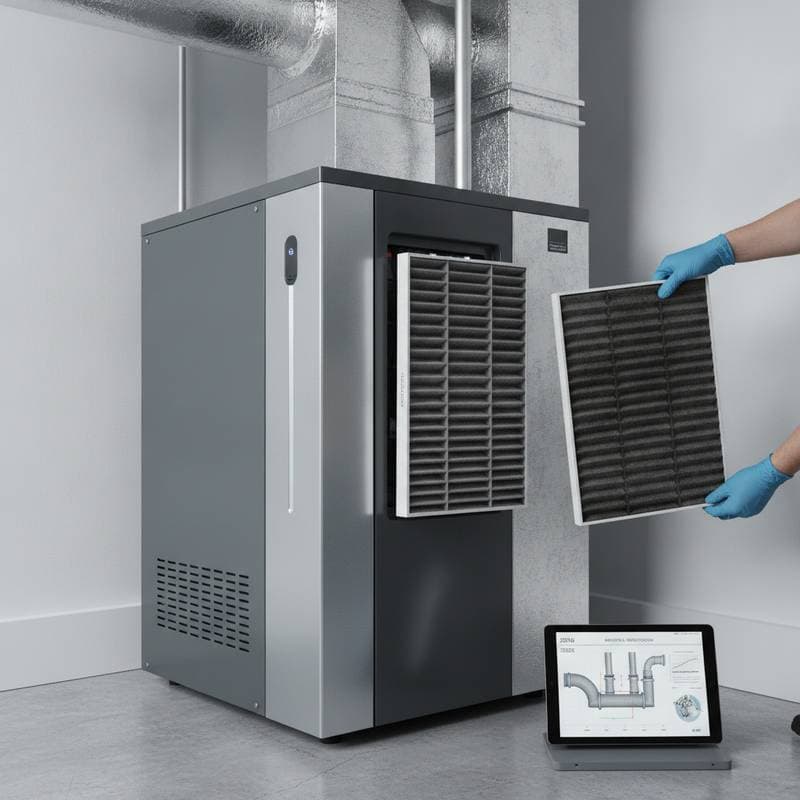
- Turn off the HVAC system at the thermostat to ensure safety.
- Locate the filter slot, usually in the return air duct or furnace cabinet.
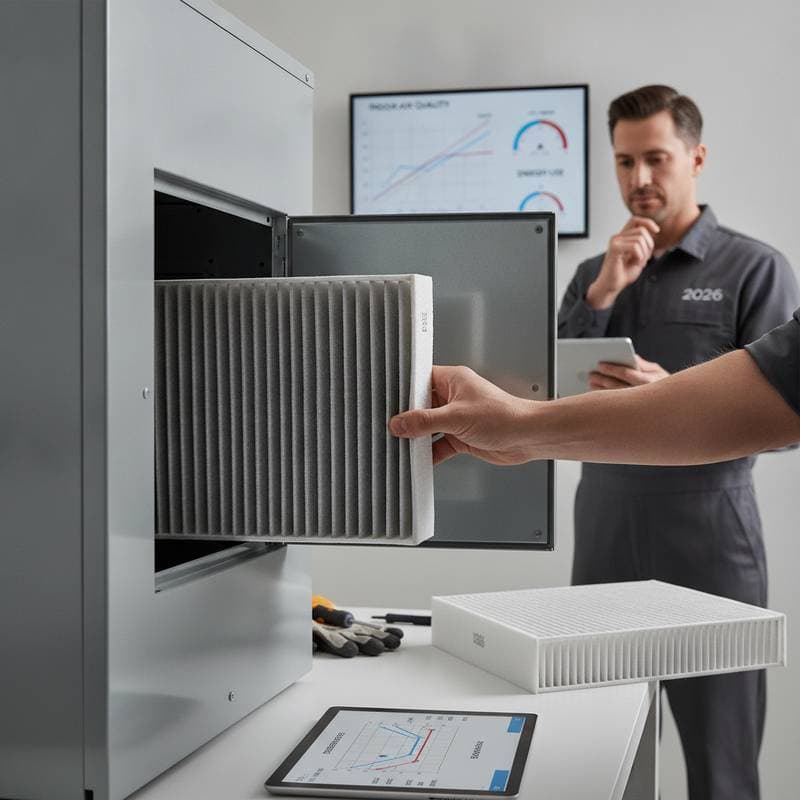
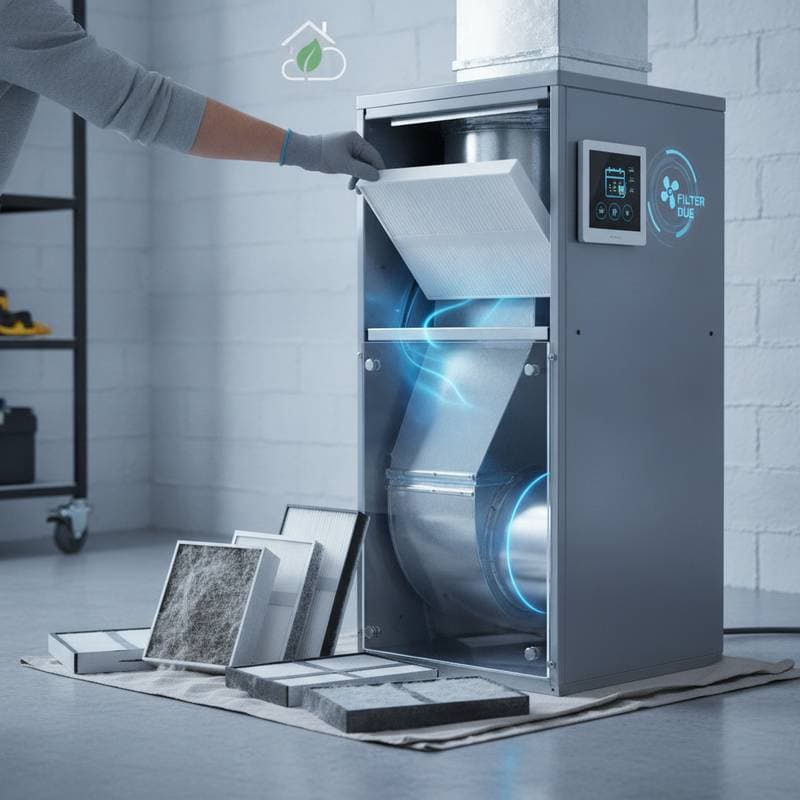
- Remove the old filter, noting its size and airflow direction arrow.
- Insert the new filter, aligning the arrow with the airflow path toward the furnace.
- Secure the slot and restart the system, then monitor for improved performance.
This process takes mere minutes yet delivers substantial returns in efficiency and comfort.
Additional Maintenance Tips for Optimal Performance
Beyond replacement, vacuum around the filter slot quarterly to minimize dust buildup. Ensure return vents remain unobstructed by furniture or rugs, promoting even airflow. For whole-home systems, check secondary filters in registers if applicable.
Test your thermostat settings in fall to verify accurate temperature readings, as filters influence overall system balance. If your home features a smart thermostat, use its alerts for filter status. These habits compound the benefits of timely changes, fostering a more resilient heating setup.
Realizing the Benefits of a Proactive Filter Routine
A well-maintained filter schedule enhances indoor air quality by reducing allergens and irritants. Cleaner air supports respiratory health, particularly for vulnerable household members. Energy savings follow as systems run more efficiently, potentially lowering bills by 5 to 15 percent.
Long-term, this approach extends equipment life, delaying major investments. Homeowners report fewer service calls and consistent warmth during peak winter use. Implementing these steps transforms routine maintenance into a cornerstone of home comfort.
Implement Your Fall Filter Plan Today
Start by assessing your current filter and scheduling the first fall replacement. Gather supplies based on your MERV needs and commit to the monthly check. With these actions, your heating system operates smoothly, delivering reliable warmth and fresh air all season long.