Why Fall Demands HVAC Filter Replacement Now
A home can feel perfectly sealed until the chill of autumn sneaks in and the air starts to feel heavy. That shift often means the HVAC system is about to work harder than it has in months. The problem is that most homeowners forget one critical piece of seasonal maintenance: replacing the HVAC filter. A clean filter keeps the air fresh, the system efficient, and utility bills under control.
If delaying this simple task, now is the time to act. Fall is the season when indoor air quality drops, dust from summer builds up, and the heating system begins pulling air through months of accumulated debris. Replacing that filter today can prevent costly repairs later.
Why Fall Is the Perfect Time for a Filter Change
During summer, the HVAC system collects pollen, pet dander, and fine dust that settles deep inside the filter. When temperatures drop, the same system switches into heating mode, forcing air through that same clogged material. This makes the fan motor work harder and shortens its lifespan.
A clean filter allows for smooth airflow and balanced temperature control throughout the house. The National Air Filtration Association recommends checking filters every 30 to 60 days, but fall is the most strategic moment to start fresh. It prepares the system for the higher workload of heating season and ensures the air breathed is cleaner during months when windows stay closed. In addition, this timing aligns with increased indoor activity, reducing exposure to outdoor pollutants as families spend more time inside.
Quick Answer: Replace the Filter Before You Turn on the Heat
If only one rule to remember, let it be this: replace the HVAC filter before switching from cooling to heating. That single habit can improve indoor air quality by up to 40 percent and cut energy use by roughly 10 to 15 percent, depending on the system.
To proceed, know the filter size, which is printed on the edge of the existing one. Common sizes include 16x25x1 inches, 20x20x1 inches, and 20x25x4 inches. Always match the dimensions exactly. Even a half-inch gap can reduce filtration efficiency and allow dust to bypass the filter entirely. For precision, measure the old filter with a tape measure if the label has faded.
Understanding Filter Ratings and What They Mean
Filter quality is measured by the Minimum Efficiency Reporting Value (MERV), which ranges from 1 to 16. Higher numbers capture smaller particles but can restrict airflow if the system is not designed for them. Selecting the appropriate rating involves considering the home's age, system type, and occupant health needs.
| MERV Rating | Particle Size Captured | Best For | Replacement Frequency |
|---|---|---|---|
| 1 to 4 | Large dust and lint | Basic protection | Every 30 days |
| 5 to 8 | Mold spores and pet dander | Standard homes | Every 60 days |
| 9 to 12 | Fine dust and pollen | Allergy-sensitive homes | Every 90 days |
| 13 to 16 | Bacteria and smoke particles | Medical or high-filtration needs | Every 6 months |
For most homes, a MERV 8 to 11 filter offers the right balance between airflow and filtration. Consult the HVAC manual or a professional to confirm compatibility, especially for systems older than 10 years.
Common Mistakes to Avoid
Many homeowners replace their filters but still experience weak airflow or high energy bills. The problem often comes from small but costly errors:
- Installing the filter backward. Always follow the airflow arrow printed on the frame. It should point toward the blower motor.
- Using a filter that is too dense. A high-MERV filter in an older furnace can strain the system and reduce efficiency.
- Skipping seasonal checks. Even if replacing filters regularly, a quick visual check every month can catch issues early.
- Forgetting secondary filters. Some systems use both a main intake filter and smaller return vent filters. Clean or replace both.
Avoiding these mistakes can extend the system's life and keep the air cleaner year-round. For instance, improper installation might lead to uneven cooling or heating, prompting unnecessary service calls.
DIY Replacement: Tools and Steps
Replacing an HVAC filter is usually a simple DIY task that takes less than ten minutes. Gather these items:
- A new filter in the correct size
- A flashlight
- A small vacuum or cloth for dust around the housing
Follow these steps:
- Turn off the HVAC system at the thermostat.
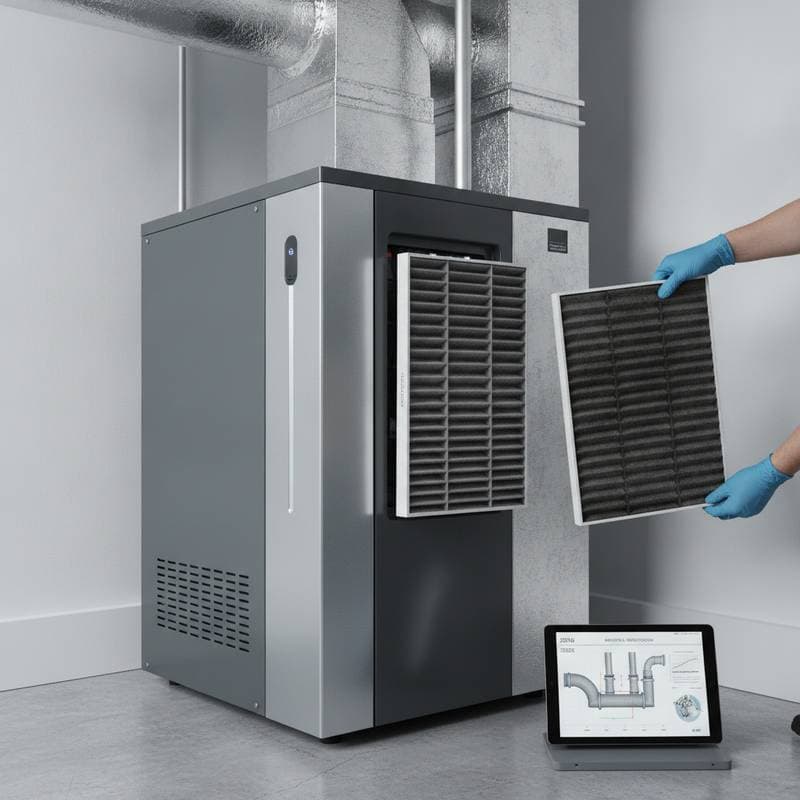
- Locate the filter compartment, usually near the return air duct or blower compartment.
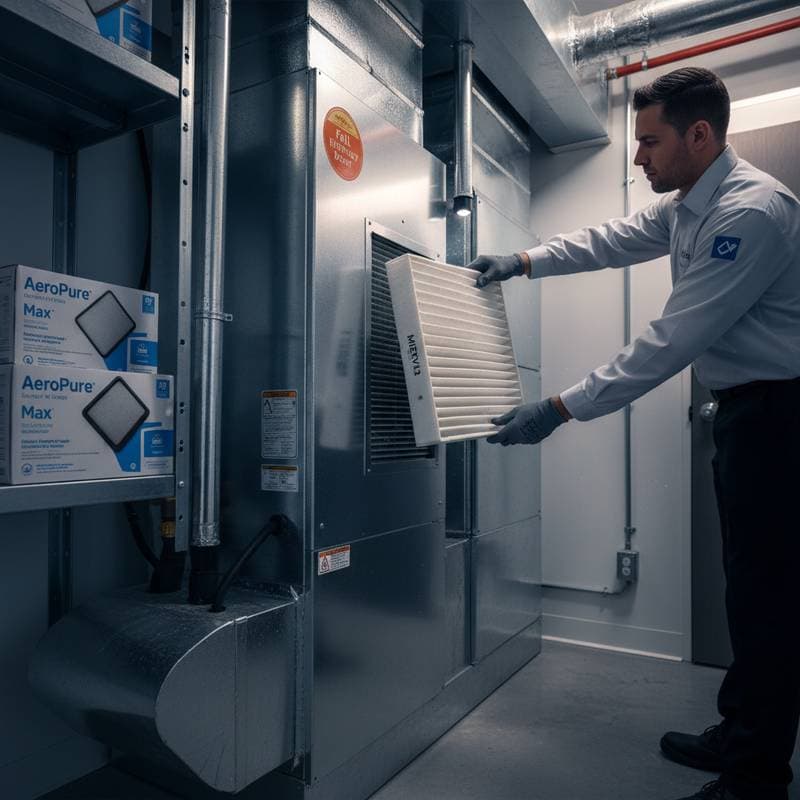
- Slide out the old filter carefully to avoid shaking loose dust.
- Check the direction of airflow on the new filter and insert it properly.
- Wipe away surrounding dust and close the panel securely.
Turn the system back on and listen for smooth airflow. If hearing whistling or vibration, the filter might not be seated properly. In such cases, remove and reinsert it, ensuring the frame fits snugly without gaps.
When to Call a Professional
If noticing uneven heating, rising energy bills, or dust collecting quickly after cleaning, it might be time for a professional inspection. A certified HVAC technician can check for duct leaks, blower issues, or undersized filters. Hiring a heating and air specialist costs between 75 and 150 dollars for a routine service visit, which often includes cleaning coils and verifying system pressure.
Professionals also assess overall system health, such as refrigerant levels or electrical connections, which DIY efforts cannot address. Schedule this inspection annually in fall to catch potential problems before winter peaks.
Accessibility and Health Considerations
For anyone with allergies, asthma, or limited mobility, upgrading to a MERV 11 or higher electrostatic filter can reduce airborne allergens significantly. Some models are washable, making maintenance easier. These filters use static electricity to attract particles, providing enhanced protection without frequent replacements.
In homes with elderly residents or young children, prioritize filters that minimize irritants like volatile organic compounds from cleaning products. Pair this with regular vacuuming using HEPA-filtered vacuums to maintain overall air purity.
Establish a Reliable Filter Maintenance Routine
Replacing the HVAC filter might seem minor, but it can be one of the smartest seasonal tasks undertaken. It improves air quality, keeps the system efficient, and helps avoid expensive mid-season repairs.
Make it part of the fall routine. Write the size and MERV rating on a note near the thermostat, set a reminder on the phone, and keep one spare filter on hand. This proactive approach ensures comfort and savings throughout the colder months.